
Based on the Book
Klara and the Sun by Kazuo Ishiguro
Cast: Jenna Ortega, Amy Adams, Mia Tharia, Aran Murphy, Steve Buscemi, Natasha Lyonne
Genre: Drama, Sci-Fi
Director: Taika Waititi
In Irish Cinemas: 23rd October 2026
Klara and the Sun: A Promising Story Lost in Sentimental Excess
Taika Waititi’s Klara and the Sun takes a thoughtful science-fiction novel by Nobel laureate Kazuo Ishiguro and transforms it into an overworked, emotionally hollow fantasy. Despite a talented cast led by Jenna Ortega and Amy Adams, the film struggles to balance humor, heartbreak, and philosophical reflection, leaving behind a production that feels more artificial than the technology at its center.
Adapted from Ishiguro’s 2021 novel, the story follows Klara (Ortega), a solar-powered artificial companion waiting to be selected by a human owner. When teenager Josie (Mia Tharia) chooses her from a store selling robotic friends, Klara enters a household shaped by illness, grief, and unresolved family tensions. Josie’s mother, Chrissy (Adams), remains skeptical of the purchase, while the household’s suspicious housekeeper sees the robot as a potential replacement.
Klara soon discovers that Josie’s life is more complicated than it first appears. The teenager has undergone a genetic enhancement procedure known as “Lifting,” intended to improve her abilities but carrying serious medical consequences. As Josie’s health deteriorates, Klara becomes convinced that sunlight possesses extraordinary healing powers. Determined to save her new friend, she embarks on a mission that brings the film’s questions about artificial intelligence, devotion, and human vulnerability into focus.
Unfortunately, the execution rarely matches the premise. Rather than allowing the story’s emotional conflicts to develop naturally, Waititi and co-writer Dahvi Waller overwhelm the material with exaggerated reactions, awkward jokes, and relentlessly whimsical touches. Moments that should inspire sympathy instead feel manufactured, while potentially profound questions about consciousness and the limits of technology are reduced to simplistic observations.
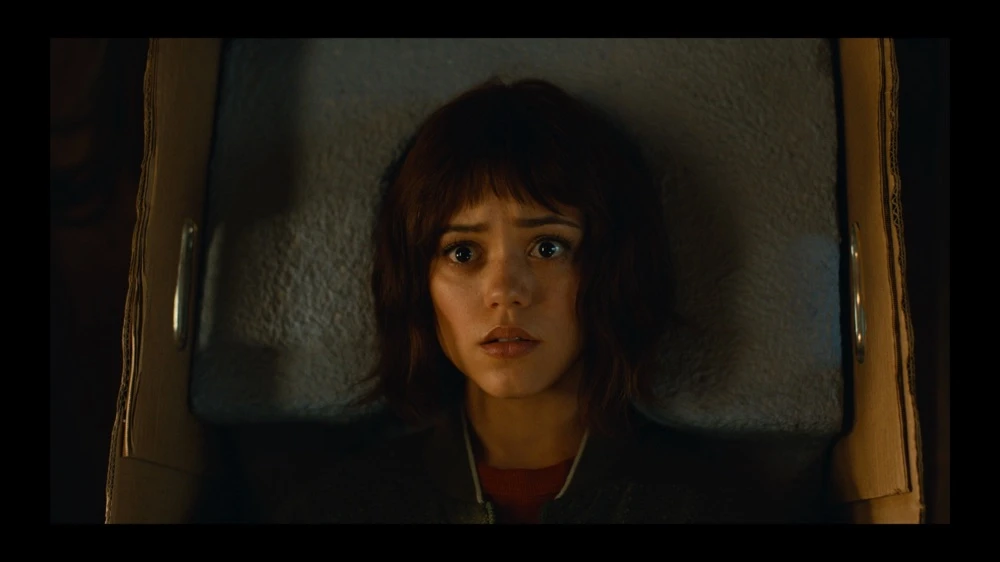
Ishiguro’s fiction is renowned for its restraint, ambiguity, and exploration of memory, identity, and loss. His characters often reveal the deepest truths indirectly, leaving audiences to recognize the emotional significance of what remains unsaid. This adaptation takes the opposite approach, spelling out its themes while burying them beneath visual gimmicks and forced sentimentality. The result is a story that seems determined to make viewers cry without earning their tears.
Ortega, whose performances in Wednesday and Beetlejuice Beetlejuice demonstrate a gift for unusual, darkly comic characters, appears stranded by Klara’s relentlessly innocent personality. Her performance relies heavily on wide-eyed expressions and physical awkwardness, leaving little room for the subtlety the role requires. Adams fares no better as a mother whose grief and desperation should anchor the drama. Her character never develops enough consistency to make her difficult choices convincing.
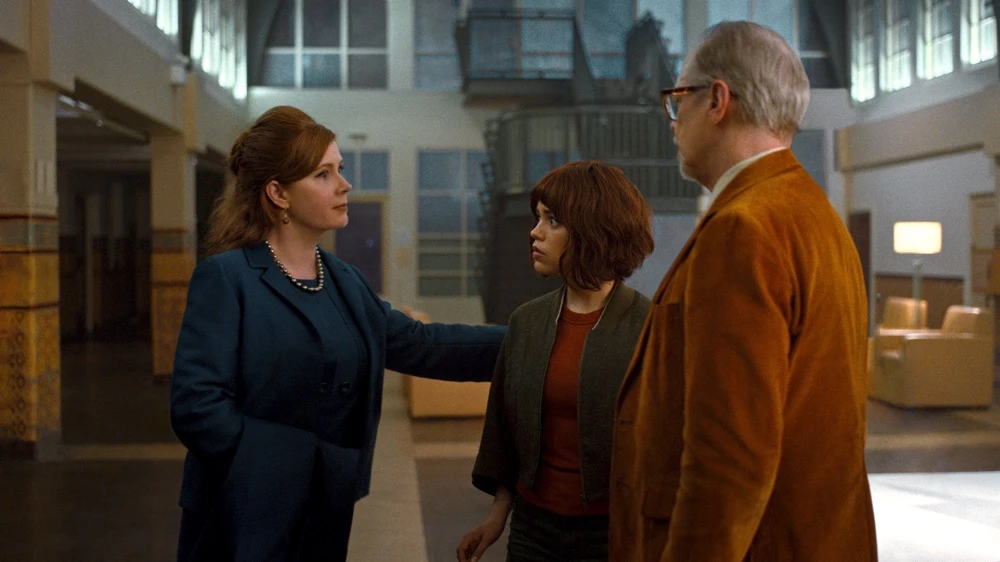
Supporting performances from Natasha Lyonne, Steve Buscemi, and the younger cast members are similarly constrained by thin characterization. The film’s occasional attempts at eccentric visual comedy feel disconnected from its serious subject matter, while its picturesque New Zealand landscapes are photographed with surprisingly little atmosphere or individuality.
These shortcomings are particularly disappointing given Waititi’s earlier achievements. Films such as Boy and Hunt for the Wilderpeople demonstrated his ability to combine offbeat humor with genuine tenderness. Here, however, his fondness for quirky characters and exaggerated comedy becomes an obstacle rather than an asset. Instead of deepening the emotional experience, the humor repeatedly interrupts it.
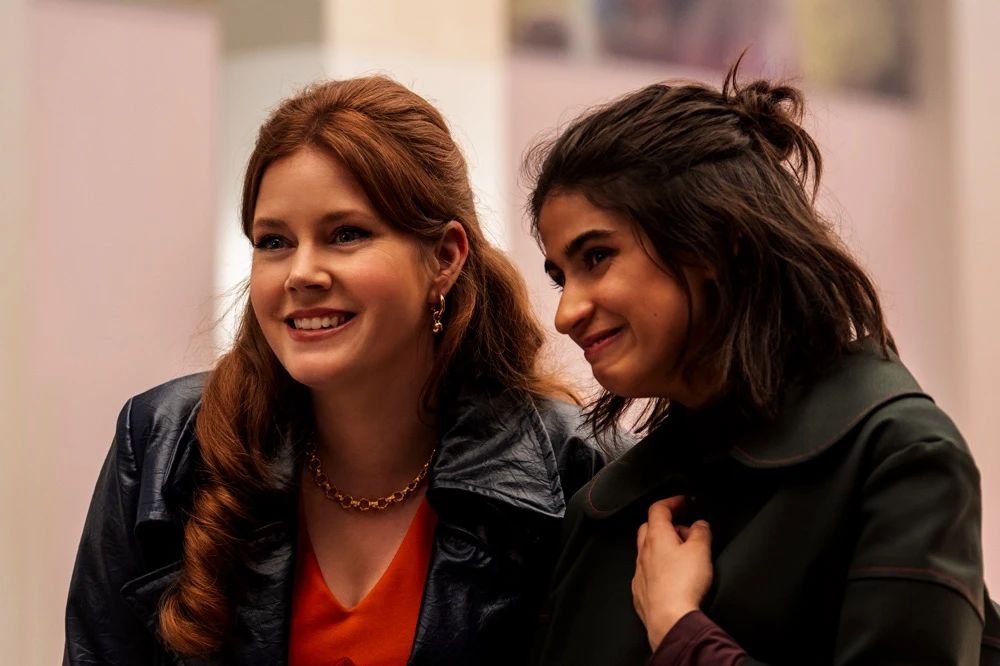
Ultimately, Klara and the Sun fails to capture what makes Ishiguro’s novel compelling. Its story offers fertile ground for examining parental ambition, the ethics of genetic enhancement, artificial companionship, and the human desire to overcome death. Yet the film treats these ideas as background decoration for an excessively sweet fantasy.
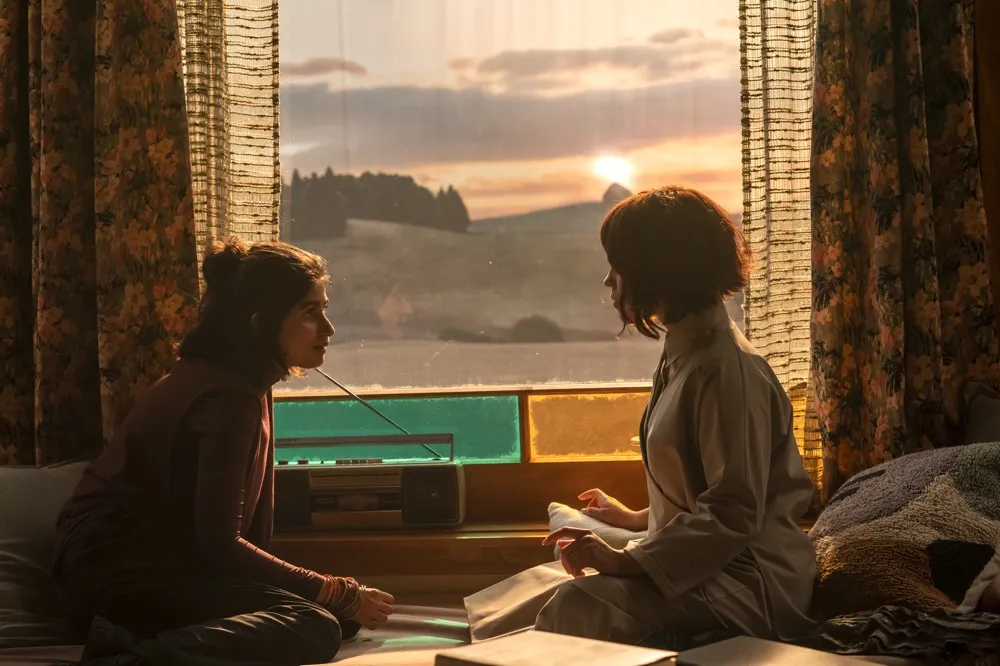
The central tragedy is not simply that the adaptation misses its source material’s sophistication. It is that a story about what makes human life precious feels strangely indifferent to genuine human emotion. For all its polished surfaces and earnest intentions, Klara and the Sun never quite understands the heart it is so desperate to touch.
Overall: 5/10

Movie Reviewer