
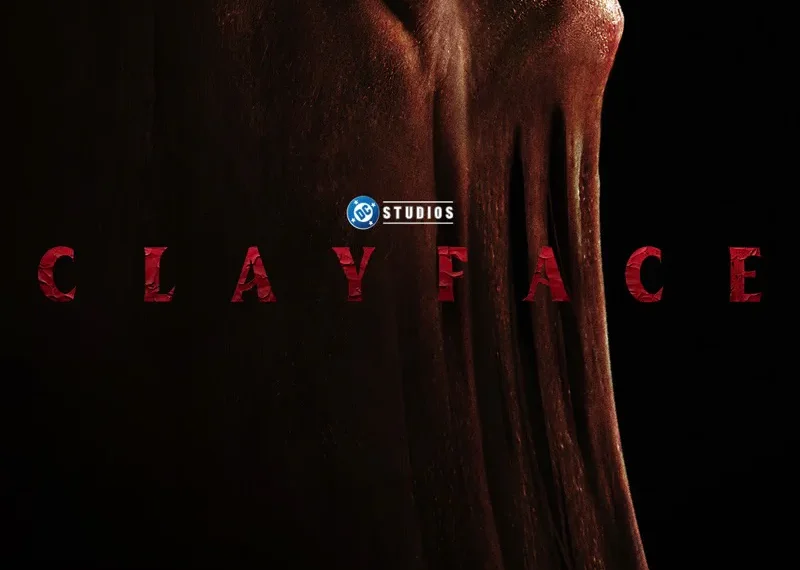
Based on Characters from DC
Cast: Tom Rhys Harries, Naomi Ackie, Max Minghella, Eddie Marsan
Genre: Horror, Thriller
Director: James Watkins
In Irish Cinemas: 23rd October 2026
Clayface Review: A Gruesome Transformation With Little Beneath the Surface
Forget the colourful heroics and light-hearted spectacle usually associated with comic-book cinema. Clayface takes the DC Universe into considerably darker territory, delivering a disturbing mixture of psychological drama, revenge thriller and uncompromising body horror. Set against the shadowy backdrop of Gotham City, the film requires no knowledge of Batman or his world to make an impression. A tolerance for graphic violence, however, is practically essential.
Tom Rhys Harries stars as Matt Hagen, a talented actor enjoying the kind of success most performers can only dream of. Attractive, charismatic and beginning to attract serious industry recognition, Matt appears destined for a long and prosperous career. His promising future collapses after a dangerous encounter with a gangster’s girlfriend provokes a brutal act of retaliation. His face is slashed beyond recognition, destroying the very image that helped establish his career. Abandoned by his agent and losing professional opportunities, Matt becomes consumed by desperation, spending his remaining resources on unsuccessful attempts to restore his former appearance.
His search for a solution leads him to Caitlyn Corr, played by Naomi Ackie, a scientist developing experimental nanocell technology capable of regenerating damaged tissue. Matt agrees to become a test subject, hoping to reclaim his face, reputation and livelihood. The treatment initially appears to offer a miracle, but its unpredictable consequences soon become impossible to control. As his body undergoes increasingly grotesque changes, Matt descends into violence, setting the stage for a tragic transformation into one of Gotham’s most unsettling figures.
As the third major theatrical instalment in James Gunn and Peter Safran’s revamped DC Universe, following Superman and Supergirl, Clayface deliberately abandons the conventional superhero formula. Director James Watkins, previously responsible for the unsettling thriller Speak No Evil, embraces an R-rated approach built around physical mutilation, grotesque transformations and escalating brutality. The result feels closer to the disturbing identity crisis of A Different Man crossed with the nightmarish bodily mutations of The Substance than a traditional comic-book adventure.

Watkins wastes little time establishing the film’s vicious atmosphere. Matt’s initial attack is shocking in its immediacy, with the violence directed at his face establishing the central horror of a man whose appearance is both his greatest asset and his greatest vulnerability. From there, the film becomes increasingly audacious. Surgical procedures, disturbing self-inflicted injuries, gruesome anatomical imagery and a particularly chaotic nightclub sequence demonstrate a willingness to push audiences well beyond their comfort zones.
The practical effects and computer-generated transformations are among the film’s strongest achievements. Flesh appears to melt, stretch and reform with an unnerving fluidity, giving Matt’s deterioration a tangible, almost nauseating quality. Rather than relying exclusively on quick edits or implied violence, the filmmaking frequently forces viewers to confront the physical details of his changing body.

Harries proves well suited to the demanding role. His striking features initially communicate Matt’s confidence and screen presence, making their gradual destruction particularly effective.
Although the film moves rapidly through his psychological decline, Harries brings sufficient desperation and instability to make the character’s increasingly erratic behaviour compelling. Ackie provides an emotional counterweight as Caitlyn, whose sympathy for Matt creates an important human connection amid the surrounding horror. Unfortunately, neither character receives quite enough development to make their relationship as affecting as it could have been.

The greatest weakness lies in the screenplay’s treatment of its underlying themes. Matt’s transformation offers an obvious opportunity to explore society’s obsession with beauty, the entertainment industry’s fixation on appearance and the psychological damage caused by rejection. Yet Clayface rarely examines these ideas with the depth they deserve. Where The Substance interrogated ageism and impossible beauty standards, this film too often falls back on familiar conventions in which physical difference becomes a source of fear, shame and monstrosity.
Ultimately, Clayface succeeds more convincingly as a visceral horror experience than as a meaningful character study. Harries delivers a committed performance, and Watkins creates several genuinely unforgettable sequences, but the story struggles to match the ambition of its imagery. Beneath its spectacularly grotesque exterior lies a comparatively familiar tale of suffering and revenge. Even so, for viewers seeking a darker, bloodier alternative to mainstream superhero entertainment, Clayface offers plenty of disturbing moments that are difficult to forget.
Overall: 7/10

Movie Reviewer