Cast: Monica Dolan, Ian McElhinney, Johnathan Heed
Genre: Biography, Drama, History
Director: Frank Berry
In Irish Cinemas: 25th September 2026
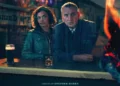
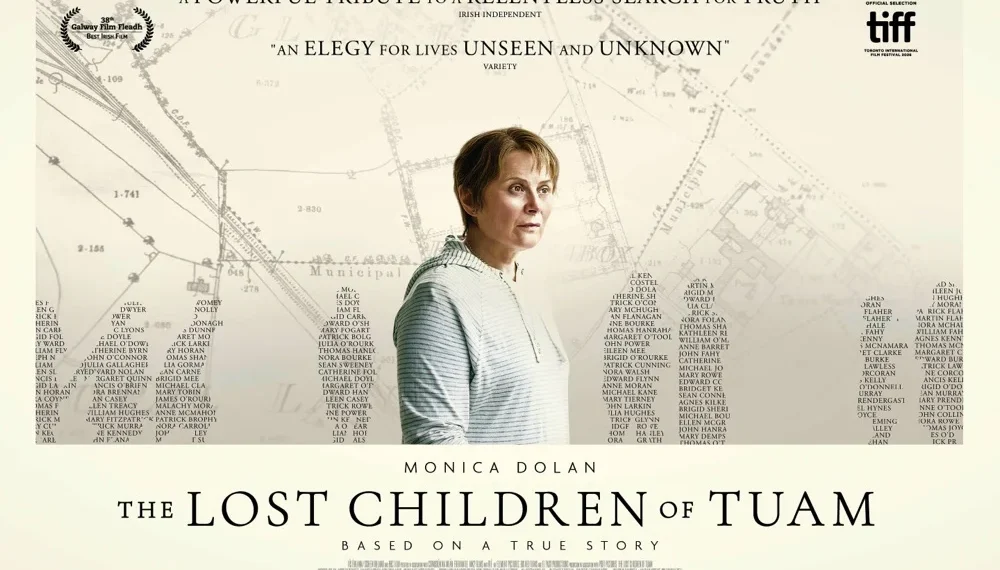
Frank Berry’s The Lost Children of Tuam revisits one of the darkest chapters in modern Irish history through the story of local historian Catherine Corless, played by Monica Dolan. Beginning in 2010, the film follows Corless as a seemingly modest research project develops into an investigation with national consequences, exposing the disturbing history of Ireland’s mother and baby homes and raising wider questions about the influence of the Catholic Church on women and children.
The film is based on a 2017 New York Times article about Corless’s work, which subsequently attracted the attention of producer Liam Neeson. Rebecca Lenkiewicz’s screenplay focuses on Corless’s efforts to uncover what happened at St Mary’s home in Tuam, County Galway, an institution operated by nuns from 1925 until 1961. Rather than turning the story into an overtly sensational drama, Berry adopts a restrained approach, allowing the evidence itself to provide the emotional force. Each discovery adds another layer to the investigation, creating a steadily intensifying sense of horror.
Corless is initially introduced as an ordinary member of her community, working alongside her husband Aidan on their small farm while pursuing history through evening classes. Her academic project leads her back to St Mary’s, a place she remembers from childhood because she attended school alongside children who had spent time in the institution. Her interest is also personal: her own mother had been born outside marriage, giving the subject an added significance for her.
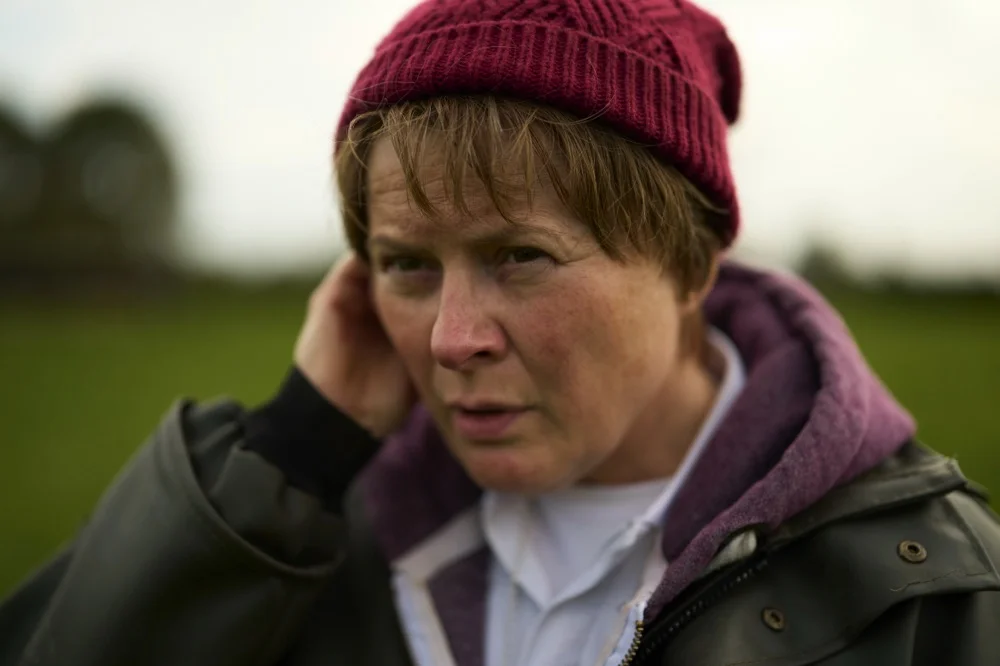
What begins as historical research quickly takes a much more disturbing direction. Conversations with people living around the former site of St Mary’s reveal rumours about human remains discovered near the grounds. The explanation that these were connected to the Great Famine does not satisfy Corless, particularly when she begins examining the official records of children who died at the home.
Her research eventually uncovers hundreds of death certificates. In total, she finds records relating to 796 children, many of whom died from illnesses, malnutrition and other conditions associated with extreme neglect. The absence of corresponding burial records becomes increasingly troubling. Subsequent investigations point towards the possibility that children’s remains had been placed in an underground structure connected to the site, while further evidence raises questions about other areas surrounding the former home.
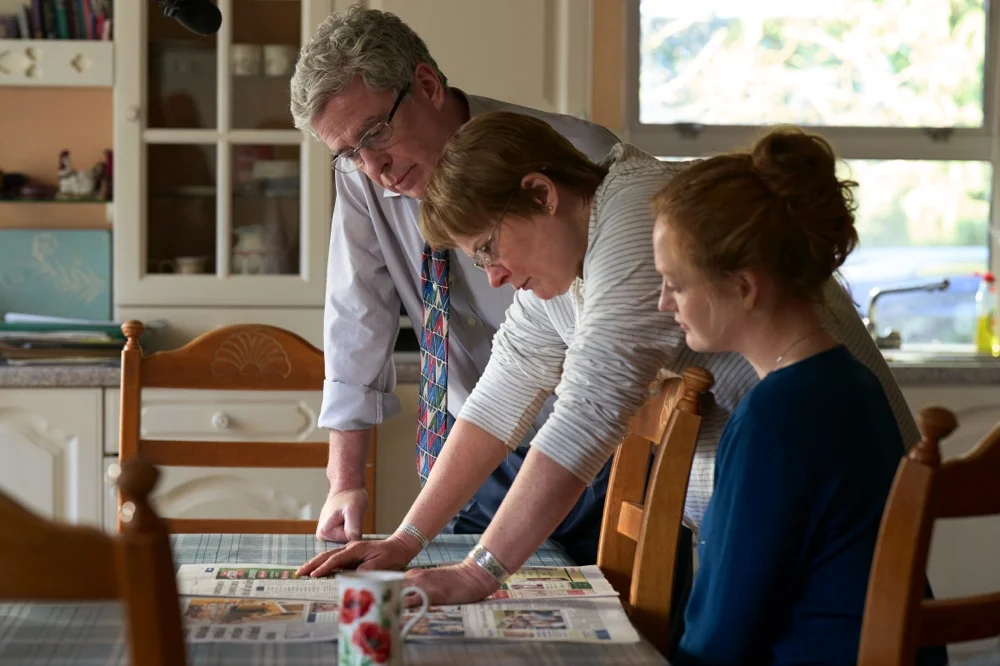
Berry gives the investigation time to develop rather than rushing towards its most shocking revelations. Corless speaks with former residents, local people and officials, gradually moving beyond the boundaries of her own community. Her husband, initially concerned that her research could create unnecessary conflict, ultimately becomes an important source of support. As the evidence accumulates, the story attracts increasing attention from Irish and international media, transforming Corless’s personal investigation into a much larger public reckoning.
The film’s understated style is one of its defining characteristics. There is little interest in turning Corless into a conventional cinematic heroine or extensively dramatising her private life. Instead, Berry and Lenkiewicz concentrate on the painstaking process of establishing what happened. Documents, interviews and recollections become the building blocks of the narrative, giving the film the measured quality of an investigative drama.
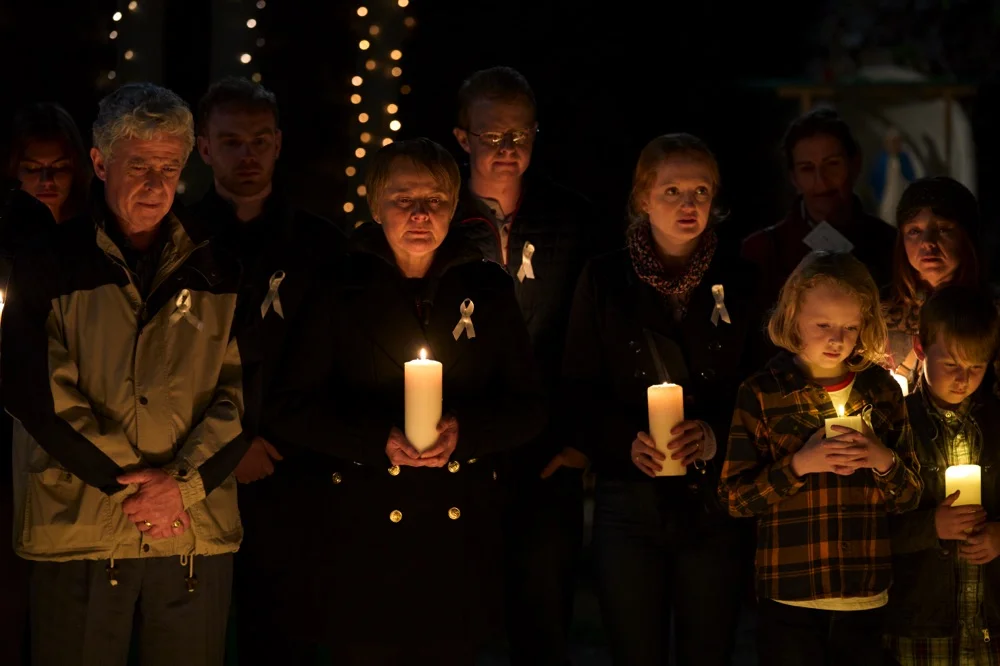
That approach also places The Lost Children of Tuam within the wider cinematic conversation surrounding Ireland’s treatment of unmarried mothers and their children. Like Philomena and Small Things Like These, it confronts the legacy of institutions in which religious authority and social attitudes profoundly shaped women’s lives. Its investigative structure may also recall Spotlight, particularly in the way seemingly isolated pieces of information gradually reveal a much broader system.
By the closing stages, the story has expanded far beyond Tuam. References to the 2018 Repeal the Eighth campaign place Corless’s investigation within a wider period of change in Irish society, while estimates that thousands of children may have died in mother and baby institutions around the country underline the scale of the issue. What begins as one woman’s attempt to understand a local history therefore becomes part of a much larger examination of memory, institutional authority, accountability and the treatment of vulnerable people in Ireland.
Overall: 8/10
Movie Reviewer