

Reviewed on 17th February 2025 at the 75th Berlin International Film Festival
Genre: Drama, Sci-Fi
Cast: Denise Weinberg, Rodrigo Santoro
Director: Gabriel Mascaro
In Irish Cinemas: 17th April 2026
Gabriel Mascaro’s The Blue Trail drifts along like a humid, slow-moving river journey, carrying with it both a quiet sense of wonder and a simmering defiance. Beneath its unhurried surface lies a pointed critique of how ageing is managed, controlled, and ultimately erased, alongside an ominous suggestion of where state power might lead when wrapped in the language of care. Following the acclaim of Neon Bull, Mascaro pivots away from the starkness of Divine Love’s overt dystopia, instead constructing something softer in tone yet no less unsettling in implication.
At the heart of the film is Denise Weinberg, whose portrayal of Tereza anchors the story with quiet authority. Opposite her, Rodrigo Santoro, recognisable from projects like 300 and Westworld, adds a measured, introspective presence. The narrative unfolds in an episodic, almost wandering fashion, embracing detours and unexpected encounters, while subtle elements of magical realism slip in without disrupting the film’s grounded emotional core.
Tereza, a 77-year-old factory worker processing alligator meat, leads a self-sufficient life shaped by routine and resilience. Yet the Brazil she inhabits operates under a deeply contradictory system: older citizens are publicly exalted, their homes adorned with ceremonial wreaths, their existence celebrated through state messaging that frames them as treasured pillars of society. Official recognition arrives in the form of a grandiose title, “national living heritage,” bestowed with performative reverence.
This outward respect conceals a far harsher reality. Autonomy is stripped away under the guise of protection; financial independence disappears, daily decisions require approval, and authority is transferred to younger relatives. Any deviation from these imposed limits triggers swift consequences. Those who resist are collected in transport vehicles chillingly nicknamed “Wrinkle Wagons,” destined for relocation to a place called the Colony, a supposedly idyllic refuge that bears all the hallmarks of institutional abandonment.
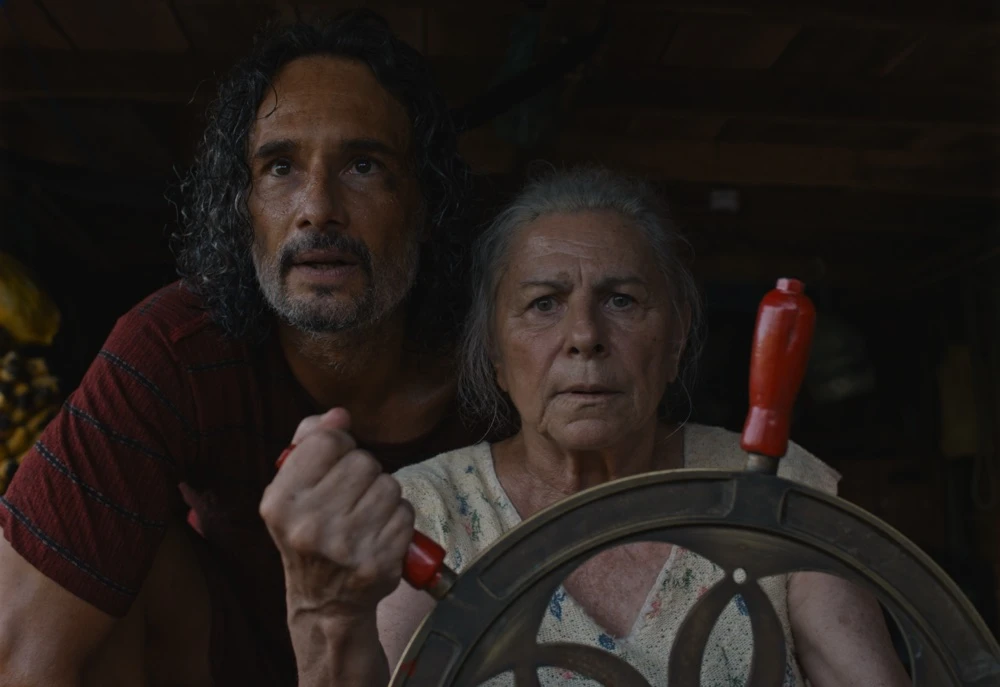
Faced with this impending fate, Tereza sets out to achieve a long-held ambition: boarding a plane for the first time. The path toward that goal proves anything but straightforward, leading deep into the Amazon and into morally ambiguous territory. Assistance comes from Cadu, a guarded riverboat captain played by Santoro, whose stoicism gradually gives way to vulnerability. Along the journey, a strange detour introduces the so-called “blue drool snail,” a creature whose secretions promise glimpses of one’s future, adding an oneiric layer to an otherwise tangible world.
Setbacks interrupt the voyage, but persistence keeps it alive. A new companion emerges in Roberta, portrayed by Miriam Socarras, a rebellious contemporary of Tereza who blends charisma with unpredictability. Known as “the Nun,” she navigates life through unconventional means, trading in digital scripture while embracing a philosophy rooted in personal freedom, even if that freedom comes at a high cost. Their dynamic injects the latter half of the film with renewed energy, forming a partnership defined as much by defiance as by camaraderie.

The narrative draws from a lineage of stories exploring societal treatment of the elderly, echoing themes found in The Ballad of Narayama, yet avoids slipping into sentimentality or patronising uplift. Tereza is never reduced to a symbol of fragility; instead, Weinberg shapes her as pragmatic, sharp, and unwilling to be diminished. When paired with Socarras’s more flamboyant presence, the film finds a compelling balance between grounded realism and expressive eccentricity. Santoro, meanwhile, delivers a layered performance, particularly in moments where emotional barriers collapse into surreal confession.
Mascaro, alongside production designer Dayse Barreto, constructs a future that feels disconcertingly plausible. Technology remains largely in the background; control is exercised through messaging, bureaucratic systems, and carefully curated narratives broadcast to the public. Propaganda appears in fleeting yet telling details, advertisements, official announcements, and fragments of dissent scrawled across walls, each reinforcing the illusion of benevolence masking systemic neglect.
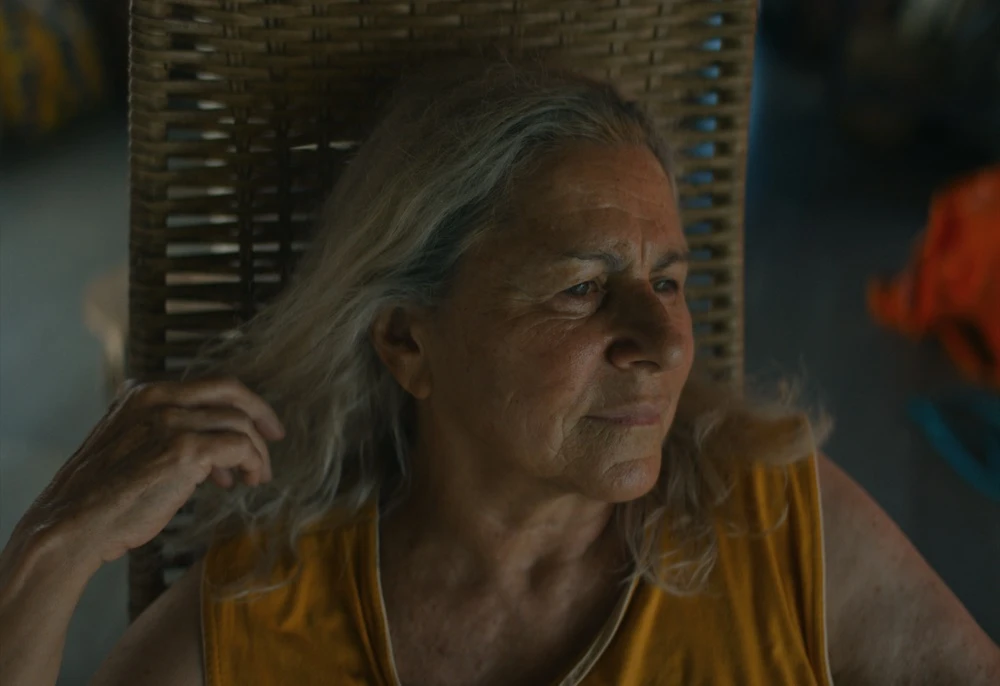
Occasional departures into the surreal, most notably the snail’s hallucinatory properties and a peculiar gambling establishment, blend seamlessly into the film’s texture, enhancing rather than distracting from its tone. Visually, cinematographer Guillermo Garza captures the vastness and beauty of river landscapes, lending the journey a sense of both liberation and isolation. Complementing this, Memo Guerra’s score leans into offbeat, jazz-inflected rhythms that sometimes verge on excess but ultimately align with the film’s idiosyncratic spirit.
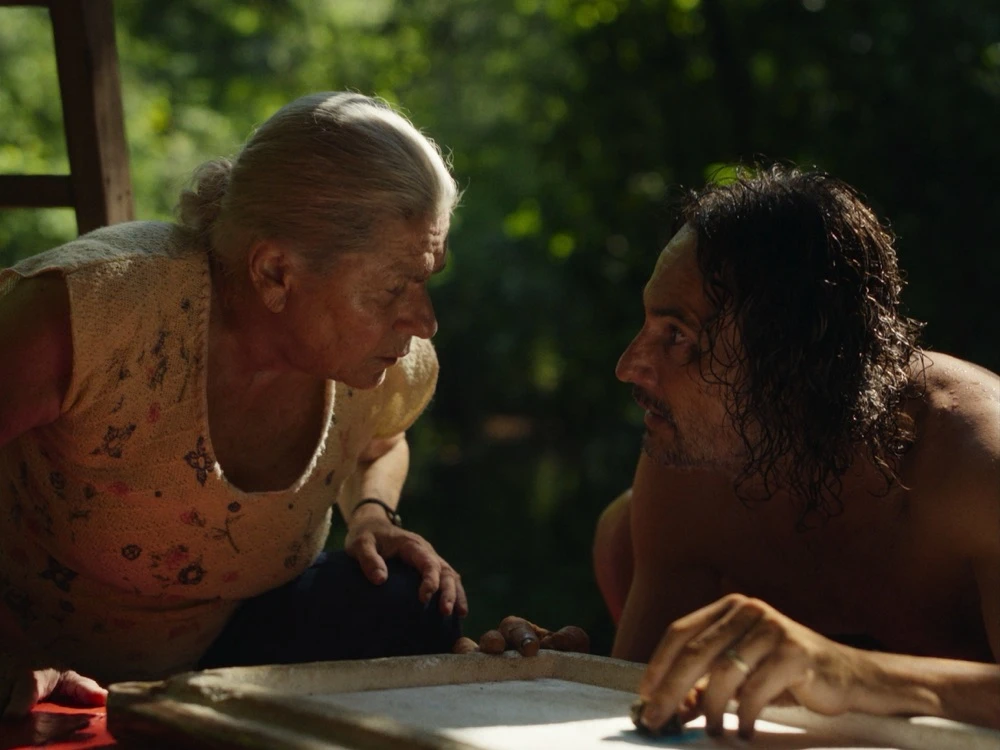
Rather than following a predictable trajectory, The Blue Trail meanders deliberately, embracing uncertainty and contradiction. Its strength lies in that refusal to settle, mirroring the restless determination of its central character as she navigates a world eager to define and confine her.
Overall: 7/10

Movie Reviewer