
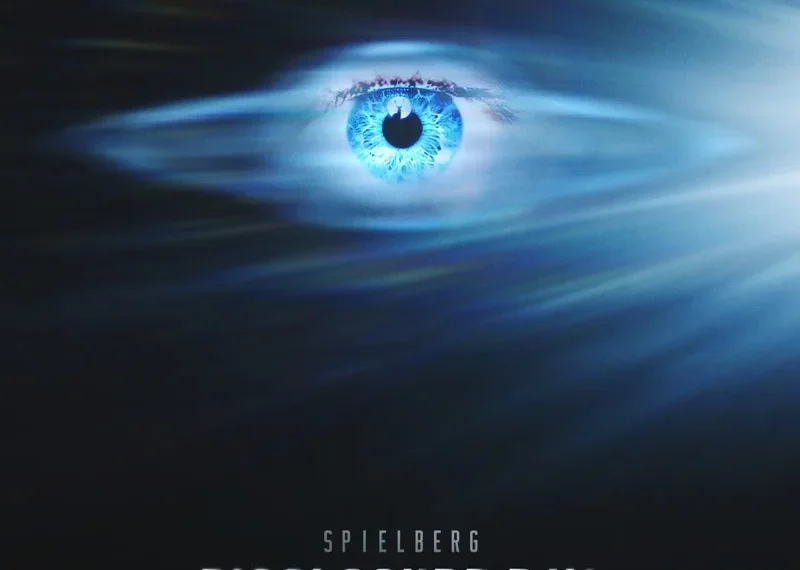
Cast: Emily Blunt, Josh O’Connor, Colin Firth, Eve Hewson, Colman Domingo
Genre: Drama, Sci-Fi, Thriller
Director: Steven Spielberg
In Irish Cinemas: 10th June 2026
For a filmmaker whose name alone raises expectations, Disclosure Day lands with a surprising thud. It isn’t an outright disaster, nor is it likely to top many worst-of-the-year lists. What makes it so frustrating is the gap between what it promises and what it ultimately delivers. This is, after all, a Steven Spielberg film—one directed by a man whose fascination with extraterrestrial life has shaped much of his career.
Spielberg’s interest in alien encounters stretches back decades. Long before Close Encounters of the Third Kind became a landmark science-fiction film, he was already exploring similar ideas in youthful projects. Time and again, he has returned to the possibility of life beyond Earth, treating the subject with curiosity, wonder and optimism. That history made Disclosure Day feel like it might be a culmination of those lifelong interests: a thoughtful, definitive statement from a director nearing the end of an extraordinary career.
Instead, the film feels strangely small, recycling familiar conspiracy-thriller tropes while offering little that audiences haven’t already seen countless times before.
The story centres on Daniel, played by Josh O’Connor, a cyber-security specialist employed by Wardex, a secretive organisation dedicated to concealing evidence of extraterrestrial activity. After acquiring classified footage, Daniel decides the truth should be made public. Yet rather than taking advantage of the internet, social media, or any modern means of communication, the film contrives an elaborate plan involving a local television station. The premise feels oddly disconnected from the present day, as though technological developments of the past few decades simply never happened.
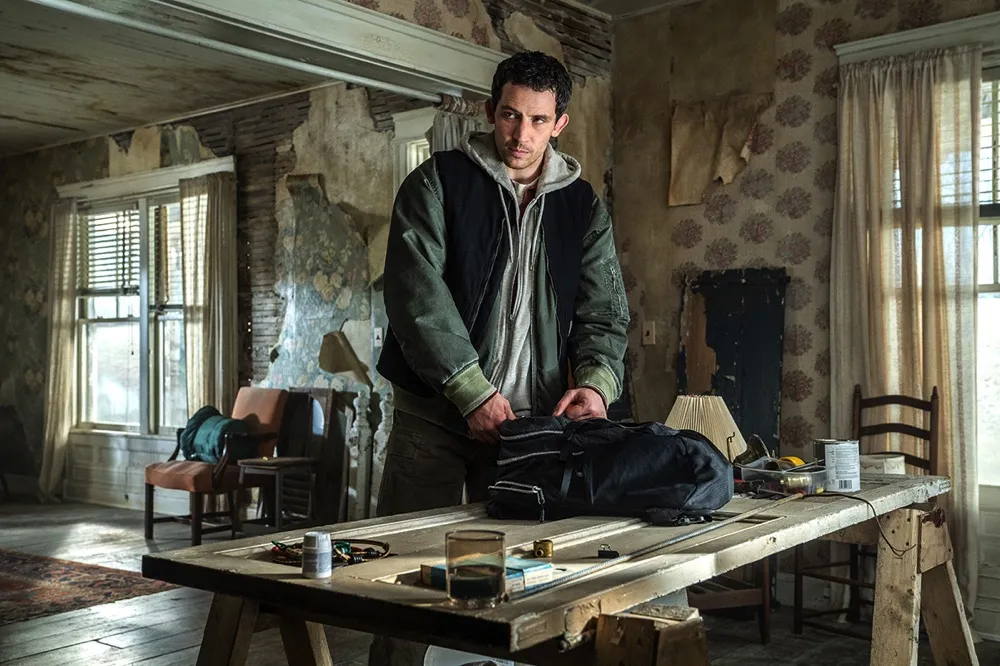
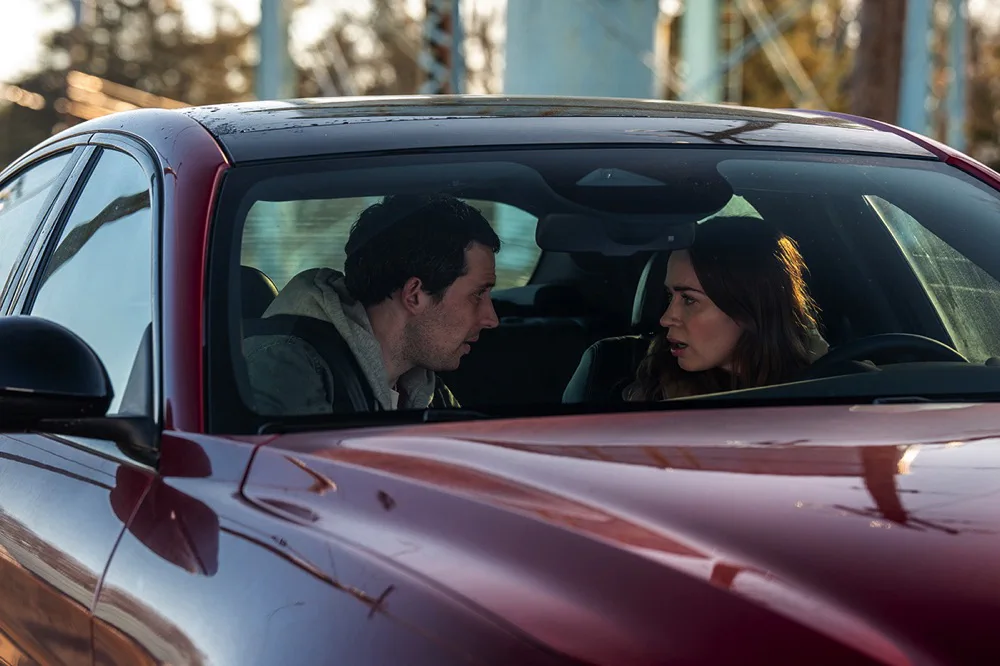
Much of the narrative follows Daniel and his girlfriend Jane, portrayed by Eve Hewson, as they evade pursuit while awaiting instructions from Daniel’s ally Hugo, played by Colman Domingo. Their journey unfolds as an extended chase sequence that rarely develops either character beyond the basics. The result is a story driven more by movement than momentum.
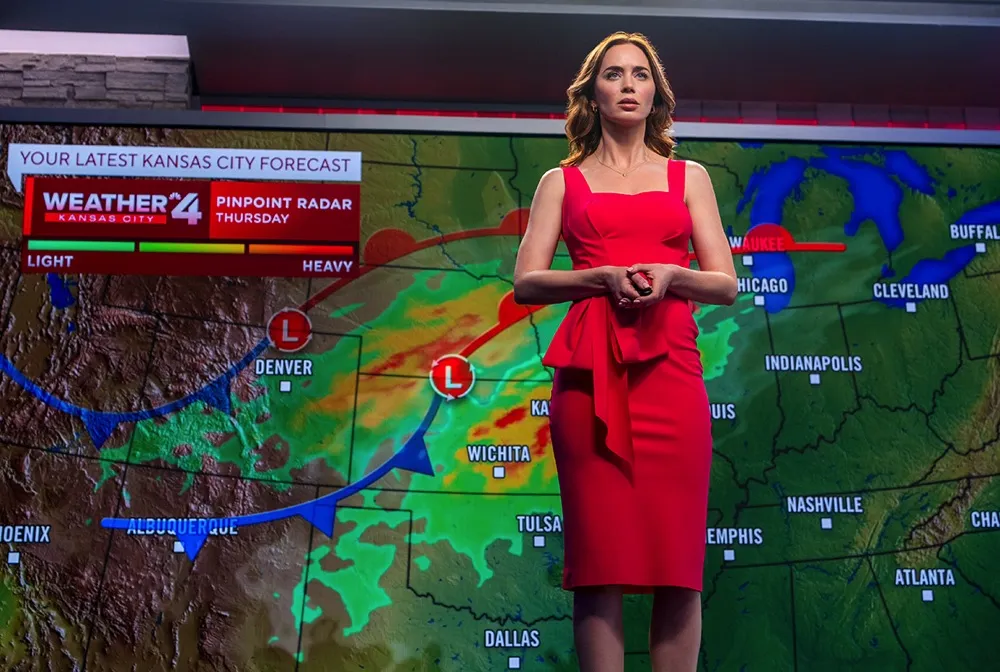
Far more engaging is a secondary storyline involving Emily Blunt’s Margaret, a television weather presenter whose life changes after she suddenly acquires the ability to understand and speak every language on Earth and perhaps a few that originated elsewhere. Blunt brings warmth, humour and conviction to the role, and the film comes alive whenever it shifts its attention to her. In fact, her storyline is so compelling that it raises an obvious question: why wasn’t this the main film?
Unfortunately, the bulk of Disclosure Day remains focused on the pursuit of Daniel and Jane by a largely faceless group of operatives. The conflict lacks urgency because neither side is given enough depth to inspire investment. What emerges feels less like a grand Spielbergian spectacle and more like a middling conspiracy television episode stretched to feature length.
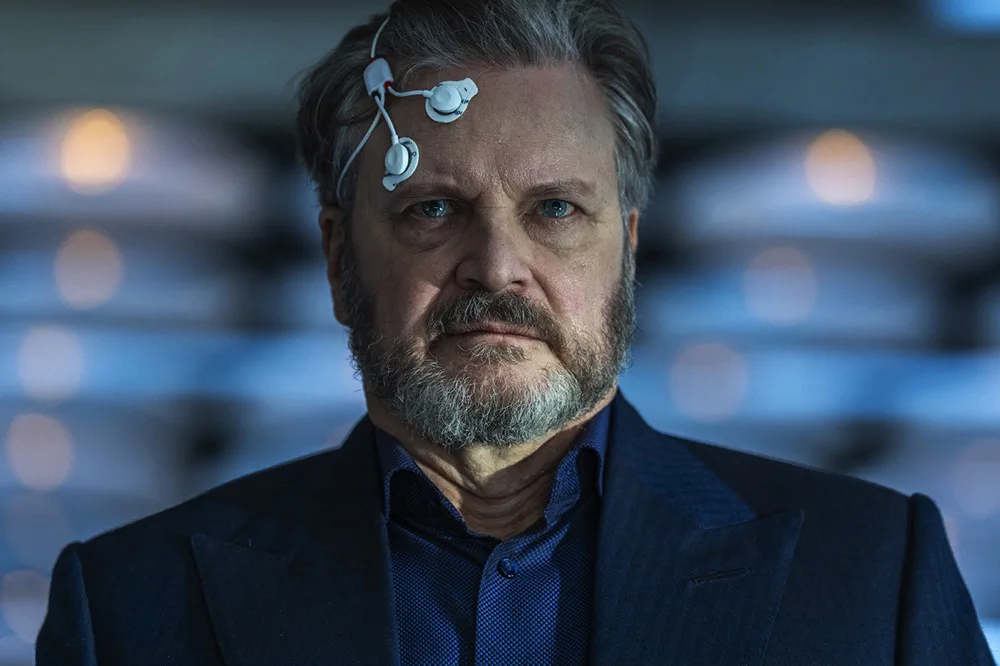
Colin Firth appears as Noah, the architect of Wardex’s secrecy campaign. The character is written as a generic antagonist, delivering ominous warnings and philosophical one-liners that rarely rise above cliché. Firth does what he can, but the casting never quite works. It’s difficult to reconcile the image of a polished English gentleman with the idea of America’s most powerful clandestine operation. The organisation itself is equally unconvincing. Wardex is supposedly built on absolute secrecy, yet it operates from an enormous headquarters and employs what appears to be an army of staff. The film never addresses the obvious question of how such a vast operation could remain hidden for so long.
Logic gaps appear throughout the screenplay. One particularly baffling subplot revolves around Hugo’s obsession with constructing a full-scale replica house, a mystery that consumes a surprising amount of screen time without providing a satisfying payoff.
To be fair, the film is not without strengths. Spielberg remains a gifted visual storyteller, and several action sequences are staged with impressive precision and energy. There are moments that recall the adventurous spirit of his earlier work, even if they occasionally feel like echoes rather than fresh creations. Viewers who respond to Spielberg’s trademark sense of optimism may find more to enjoy than sceptics will.
Yet the film’s central ideas never achieve the depth they seem to aspire to. Questions about faith, humanity, empathy and the existence of intelligent life are explored not through dramatic discovery but through lengthy speeches in which characters simply explain the themes out loud. The result feels more like a lecture than a revelation.
Most disappointing of all is the film’s treatment of its central mystery. After decades spent exploring humanity’s relationship with the unknown, Spielberg arrives at conclusions that feel remarkably conventional. The film gestures toward profound answers but settles for observations that science-fiction cinema has been making for generations.

Without revealing specifics, the finale offers few surprises. In fact, much of what Disclosure Day has to say is already apparent in its promotional material. By the time the credits roll, audiences may find themselves reflecting less on the film itself and more on the far richer, more imaginative works that explored similar territory decades earlier.
Overall: 6.5/10

Movie Reviewer