Reviewed on 27th February at the 2026 Dublin International Film Festival
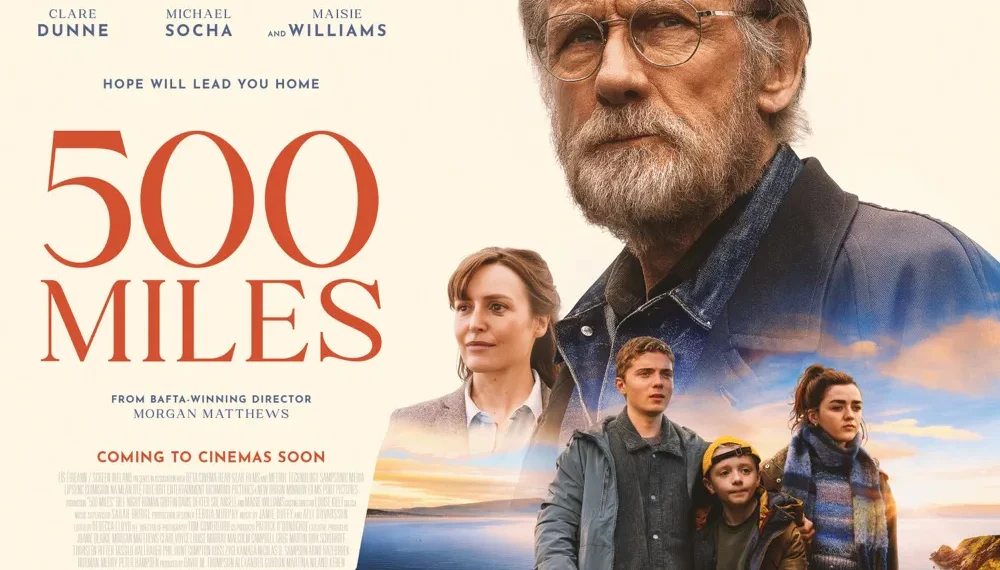
Cast: Bill Nighy, Roman Griffin Davis, Dexter Sol Ansell, Claire Dunne, Michael Socha & Maisie Williams
Genre: Drama
Director: Morgan Matthews
In Irish Cinemas: 15th May 2026
Set against the rugged beauty of Ireland’s western coastline, the story follows teenage Finn (Roman Griffin Davis) and his younger brother, Charlie (Dexter Sol Ansell), whose most cherished memories are of carefree summers spent in Dingle with their grandfather, John (Bill Nighy). When the collapse of their parents’ marriage threatens to fracture the family for good, Finn becomes desperate to hold onto the one connection that still feels safe and familiar. Leaving Sheffield behind, the brothers embark on an impulsive cross-country journey in search of the grandfather they have long been estranged from.
Based on Mark Lowery’s novel Charlie and Me: 421 Miles From Home, the film occupies an unusual middle ground between family adventure and emotional drama. Its youthful leads and road-trip structure initially suggest a light-hearted coming-of-age tale aimed at younger audiences. Yet, the story gradually pivots toward heavier emotional territory, leaning hard into sentimentality and grief in its closing stretch. That tonal balancing act gives the film an uncertain identity, caught somewhere between children’s escapism and emotionally loaded domestic drama.
Director Morgan Matthews, known for documentaries including Williams and The Fallen, brings experience in emotionally driven storytelling and youth-focused narratives. Earlier fiction work, such as A Brilliant Young Mind, demonstrated a talent for blending vulnerability with crowd-pleasing warmth, while The Railway Children Return tapped into nostalgic family entertainment. Here, however, the absence of a widely recognisable property leaves the production relying more heavily on atmosphere and emotional sincerity than built-in audience affection.

Premiering at the Dublin International Film Festival feels particularly appropriate for a production so enamoured with Ireland’s west coast. Once the journey reaches Dingle, the landscape begins to dominate the screen: sweeping cliffs, crashing Atlantic waves and postcard-perfect harbour views are captured with striking affection through expansive widescreen cinematography. Even the legendary dolphin Fungie is woven into the film’s sense of local mythology. At times, though, the depiction of Ireland drifts toward overfamiliar romanticism. Pints of Guinness are framed with near-spiritual reverence, while lively pub scenes erupt into spontaneous traditional music sessions complete with fiddles, dancing and every expected cultural flourish.
The emotional framework is established through Finn’s narration, which explains Charlie’s difficult beginnings after being born prematurely and enduring years of medical complications. Despite those hardships, Charlie emerges as an unstoppable whirlwind of energy and chatter, charging through life with relentless enthusiasm and little sense of restraint. That characterisation creates a difficult assignment for Dexter Sol Ansell, who must constantly walk the line between lovable eccentricity and exhausting over-performance. The role demands enormous personality from such a young actor, occasionally pushing the character dangerously close to caricature.
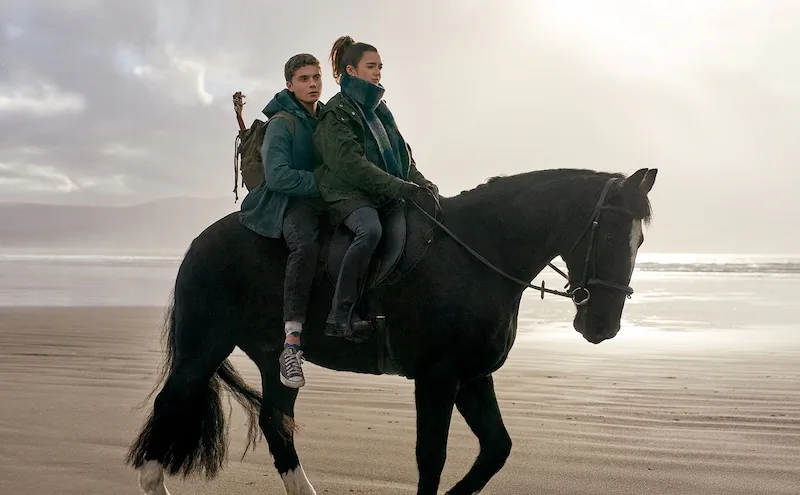
As the story unfolds, hints emerge of a painful divide between the boys’ parents and their grandfather. Their mother, played by Clare Dunne, makes it unmistakably clear that contact with John has been forbidden for some time, though the reasons remain deliberately vague. Fearful of losing both his family unit and his connection to his grandfather, Finn reacts impulsively after overhearing discussions about separation and custody. The resulting escape sends the brothers on an ambitious 500-mile trek from Sheffield to Dingle, complicated by empty pockets, improvised travel plans, and increasingly chaotic setbacks, including Charlie being forced to hide in a coach’s luggage compartment to avoid paying fares.
The road trip introduces Maisie Williams as Kait, a wandering street musician who becomes an unlikely ally after Finn accidentally leaves Charlie behind during one leg of the journey. Her presence adds some additional warmth to the film, though the soundtrack often undermines the emotional beats it is trying to elevate. The score leans heavily on sentimental folk arrangements. At the same time, Kait’s ukulele rendition of Talking Heads’ “Road to Nowhere” lands as one of several musical choices that feel more awkward than heartfelt.
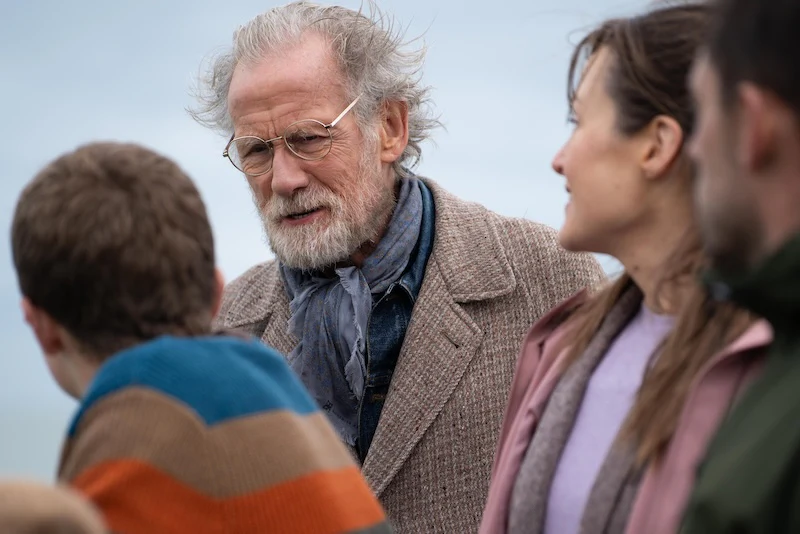
Despite its uneven tone and occasional overindulgence in sentiment and Irish stereotypes, the film remains undeniably sincere. Beneath the contrived emotional swells and familiar road-movie formula lies a heartfelt story about fractured families, childhood resilience and the longing for a place and people that once felt like home.
Overall: 7/10

Movie Reviewer