Reviewed on 28th August 2026 at the 82nd Venice International Film Festival
Cast: Bojtorján Barábas, Andrea Waskovics, Grégory Gadebois, Elíz Szabó, Sándor Soma, Marcin Czarnik
Genre: Biography, Drama, History
Director: László Nemes
In Irish Cinemas: 15th May 2026
Set against the fractured backdrop of postwar Hungary, Orphan follows a troubled young boy, Andor (Bojtorján Barabas), whose fragile understanding of family and identity begins to unravel when the arrival of a violent stranger known only as The Butcher (Grégory Gadebois) challenges everything he has been raised to believe. For years, Andor has clung to the comforting idea of a distant father figure named Hirsch, but the sudden intrusion of this imposing man forces painful questions about truth, bloodlines, and belonging to the surface.
Directed by László Nemes, who co-wrote the screenplay alongside Clara Royer, the film unfolds as an emotionally punishing and deeply atmospheric character study. A suffocating sense of anger and confusion hangs over nearly every scene, with Andor’s simmering fury driving much of the narrative tension. Rather than relying on dramatic outbursts, the story burns slowly, immersing the audience in the emotional decay of a child trapped between fantasy and harsh reality.
The film traces Andor’s chaotic upbringing through a series of increasingly unsettling encounters, exposing him to dangers and emotional burdens far beyond his years. His desperate attachment to Hirsch manifests in strange, almost haunting rituals, including conversations directed toward a boiler as though it were a conduit to the father he longs for. At the same time, both Andor and his exhausted mother, played with quiet anguish by Andrea Waskovics, attempt to resist the looming presence of The Butcher, whose true connection to the family gradually reveals itself in disturbing and ambiguous ways.
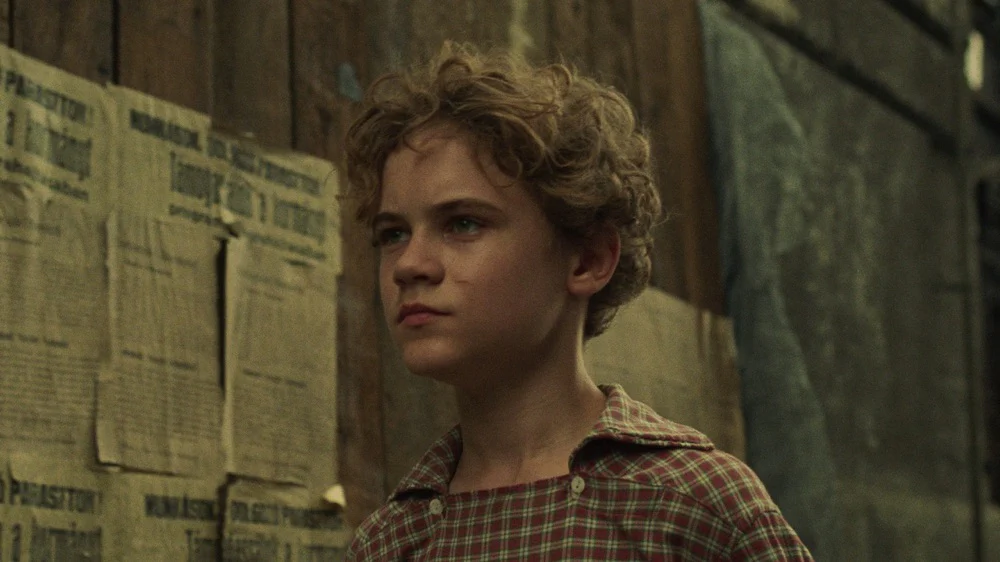
Nemes recreates the era with remarkable precision, capturing a Hungary still scarred by war and overshadowed by Soviet control. Streets patrolled by occupying forces, lingering paranoia, and the poisonous undercurrent of antisemitism create a world steeped in fear and instability. The setting becomes more than a mere backdrop; it actively shapes the characters’ emotional and psychological suffocation.
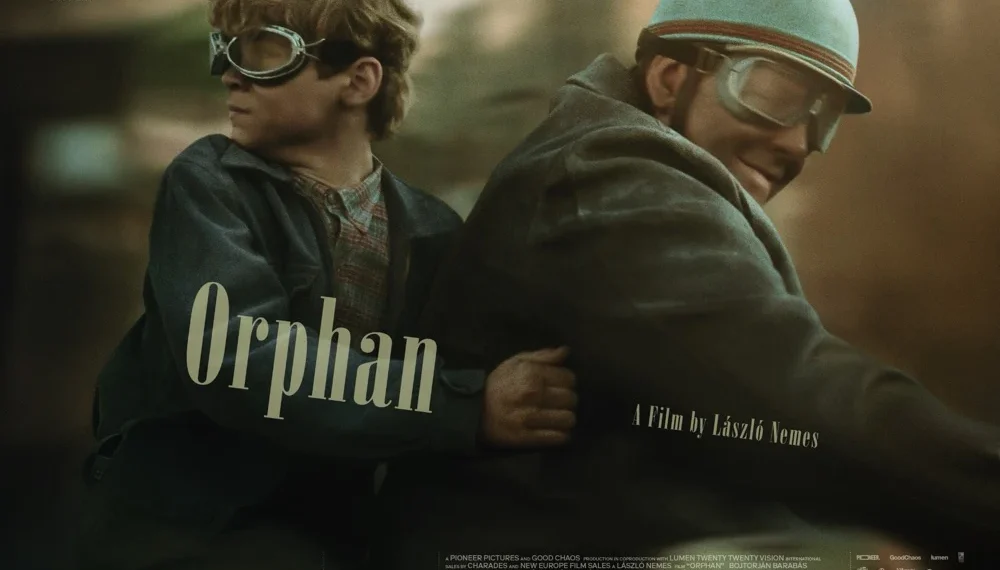
An atmosphere of secrecy permeates the entire film. Unspoken histories and buried traumas linger in every interaction, allowing Nemes to construct a lingering sense of dread that rarely dissipates. Much of that unease stems from The Butcher himself, whose hulking physicality and spectral presence make him feel almost monstrous. Even seemingly ordinary moments, such as riding through town on a motorcycle with a sidecar, carry an eerie, ominous weight whenever he appears onscreen.
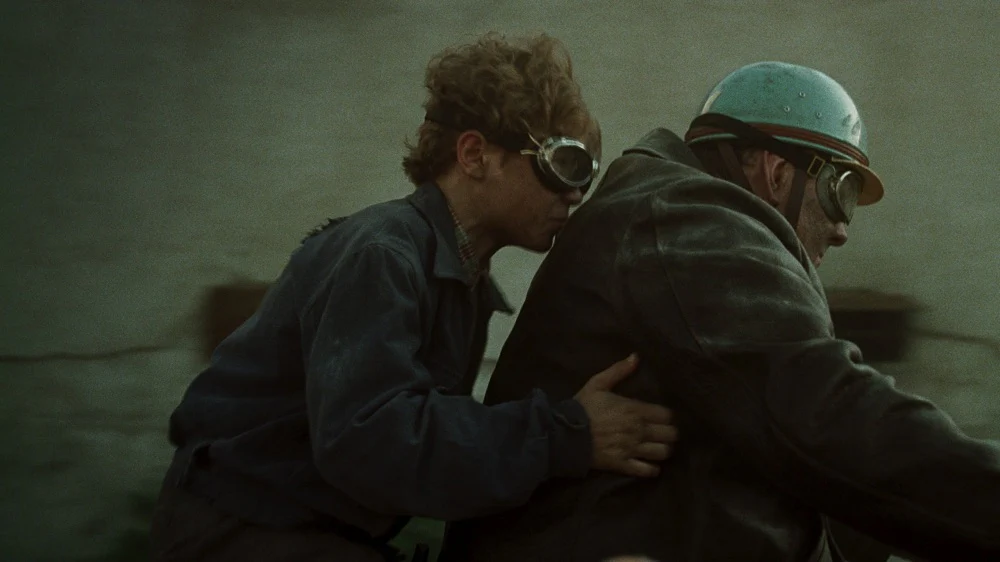
At times, the commitment to realism becomes overwhelming. Certain sequences linger longer than necessary, particularly those centred on Andor’s reckless behaviour and wandering rebellion. The deliberate pacing reinforces the bleakness of daily life during this period, though it occasionally comes at the expense of narrative momentum and emotional variety.
What ultimately anchors the film is Andor’s aching need for answers and Bojtorján Barabas’ striking central performance. His portrayal captures the volatility, vulnerability, and confusion of a child searching desperately for identity in a world defined by silence and trauma. Through themes of family, inheritance, abandonment, and emotional survival, Orphan emerges as a haunting, emotionally devastating portrait of postwar disillusionment, a demanding yet undeniably powerful piece of Hungarian cinema.
Overall: 6/10

Movie Reviewer