
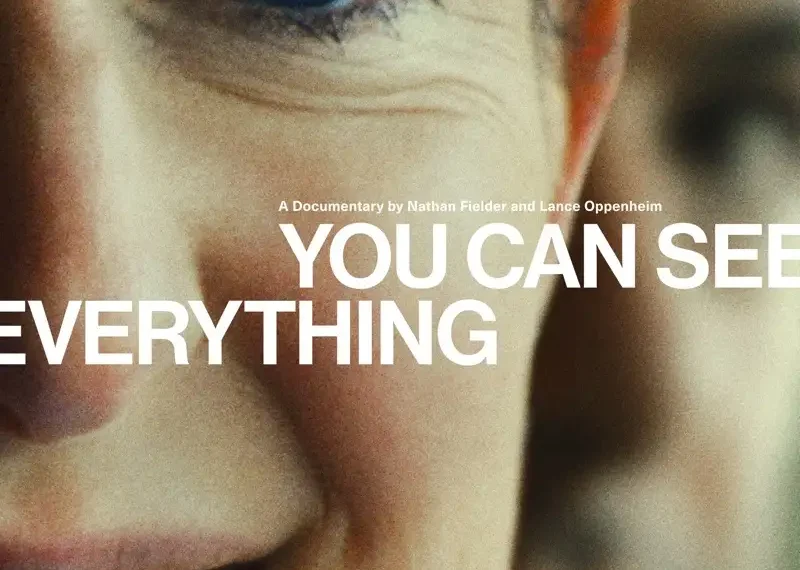
Featuring: Elizabeth Holmes
Genre: Documentary
Directors: Nathan Fielder, Lance Oppenheim
In Irish Cinemas: 20th November 2026
The documentary world has been captivated by an unexpected pairing: Nathan Fielder, the comedian and filmmaker renowned for his unconventional approach to reality television, and Elizabeth Holmes, the disgraced entrepreneur behind the infamous Theranos scandal. A brief clip showing the two standing face-to-face, exchanging an intensely uncomfortable stare, has sparked widespread speculation about a documentary that seems almost too extraordinary to be real. When Fielder asks Holmes whether she is genuinely being serious, the exchange immediately raises a fascinating possibility: has one of television’s most unpredictable creators managed to gain unprecedented access to one of the most controversial figures in modern business history?
The project, titled You Can See Everything, directed by Fielder alongside filmmaker Lance Oppenheim, quickly became one of the most talked-about films of the season. The combination of Fielder’s reputation for elaborate psychological experiments and Holmes’s complicated public history created enormous anticipation ahead of its New York Film Festival screening. Expectations were exceptionally high, but the finished film manages to deliver something even more unsettling and unexpected than its initial publicity suggested.
Running for approximately three hours, the documentary unfolds less like a conventional account of a disgraced businesswoman and more like an elaborate psychological thriller. From the opening scenes, the atmosphere feels deeply uncomfortable. Holmes and her husband, Billy Evans, openly invite the filmmakers into their private lives, presenting the opportunity as a way for audiences to understand them more completely. Yet, almost immediately, questions emerge about the sincerity of their intentions and the extent to which the couple are attempting to control the narrative surrounding their lives.
There is little value in revealing the film’s most significant developments, particularly because surprise is central to its impact. Anyone familiar with Fielder’s previous projects will understand that straightforward storytelling is rarely his objective. What begins as an apparently conventional documentary gradually develops into something far more complicated, with the filmmakers themselves becoming increasingly entangled in the situation they set out to capture. The uncertainty surrounding what is genuine, what is deliberately performed and who ultimately holds control becomes the film’s most compelling feature.
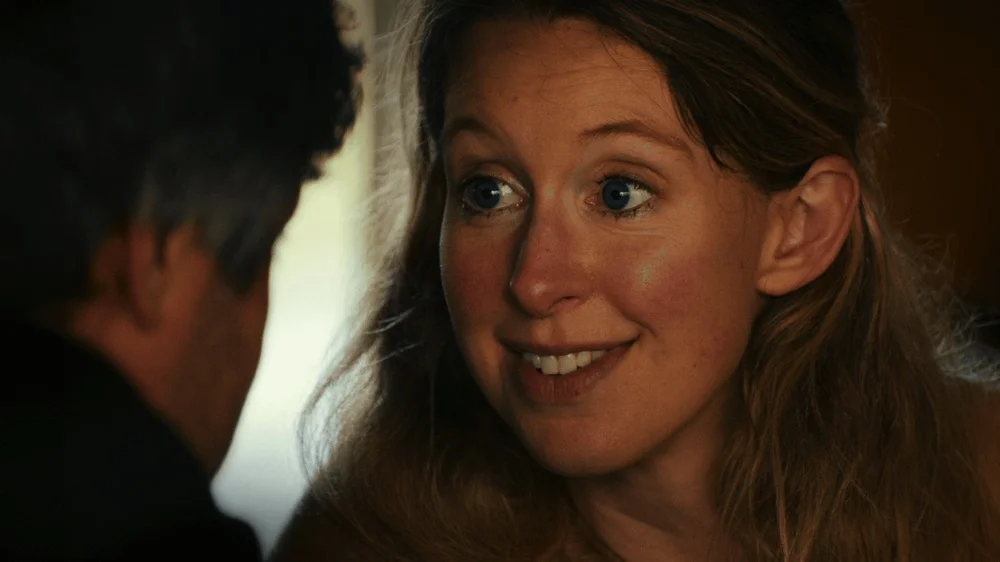
The circumstances behind the documentary are particularly remarkable. In 2023, following her conviction for fraud-related offences and while awaiting imprisonment, Holmes and Evans approached filmmakers with the intention of recording their family life alongside their two young children. The apparent objective was to offer a more intimate portrait of Holmes, challenge public perceptions and present an alternative perspective on the events surrounding Theranos. However, inviting Fielder into that environment was an unusual decision. His television career has been built around exposing the artificial nature of social interactions, manipulating expectations and creating situations in which people reveal far more than they initially intended.
Oppenheim’s distinctive visual approach adds another dimension to the experience. His use of tightly composed shots, saturated imagery and prolonged close-ups creates an atmosphere in which even the most ordinary domestic interactions become strangely suspicious. Faces are examined with almost forensic attention, while seemingly insignificant gestures take on unexpected importance. The result is a film in which the smallest exchanges can feel loaded with meaning.
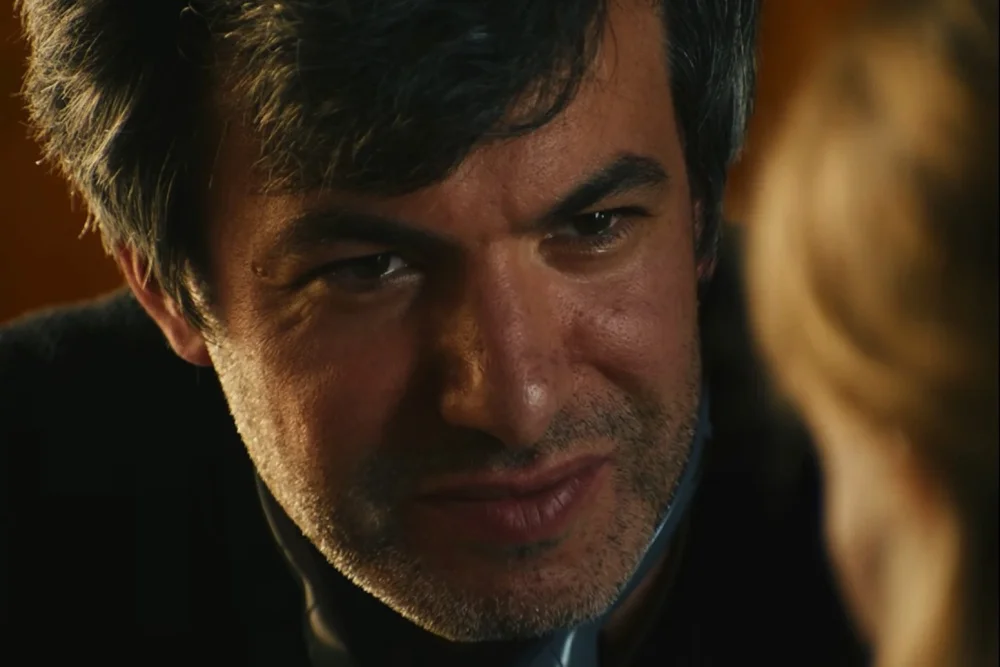
The dynamic between Fielder and Holmes is particularly fascinating. His deliberately awkward delivery, relentless curiosity and willingness to ask deeply uncomfortable questions contrast sharply with her seemingly composed and approachable manner. Whether that presentation reflects genuine personality or a carefully maintained public image remains difficult to establish. Their interactions create an unusual tension, with neither participant appearing entirely comfortable relinquishing control of the conversation. For once, Fielder appears to have encountered a subject capable of matching his psychological gamesmanship.
What makes the documentary so effective is its refusal to provide easy conclusions. Rather than simply revisiting the collapse of Theranos or attempting to establish whether Holmes has changed, the film explores the complicated relationship between image, performance, manipulation and credibility. It also raises uncomfortable questions about the responsibilities of documentary filmmakers when their subjects have such a strong interest in shaping what the audience sees.
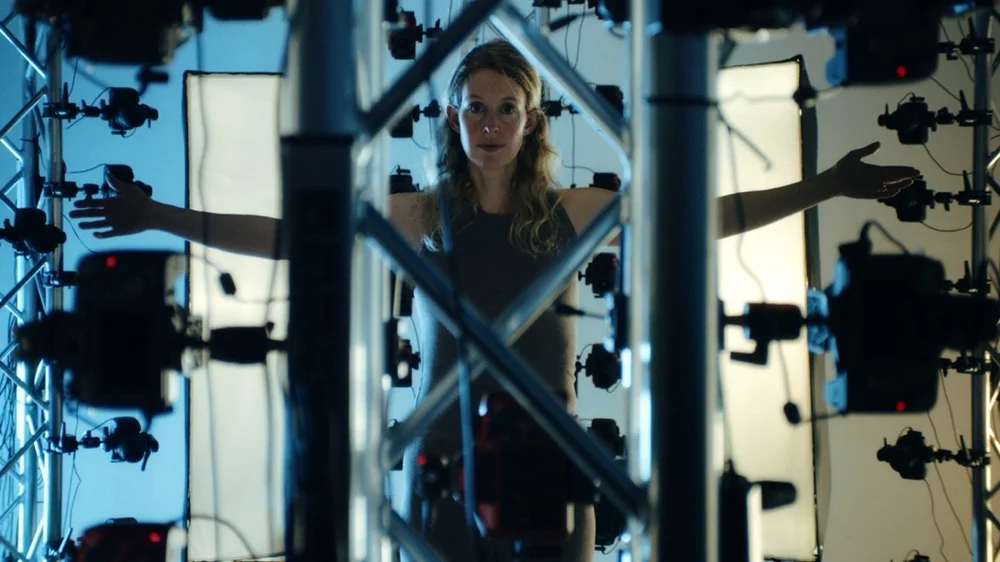
The film becomes increasingly unpredictable as the boundaries between filmmaker and subject begin to blur. Conversations become confrontations, personal revelations create fresh uncertainties and the original purpose of the project seems to shift repeatedly. Questions that audiences might have wanted answered about Holmes and Evans are addressed with remarkable directness, often in ways that are considerably more revealing than anticipated.
Ultimately, You Can See Everything is an extraordinary examination of perception and deception, and a particularly striking example of what happens when an unconventional filmmaker encounters a subject whose relationship with the truth has already become a matter of international fascination. It is uncomfortable, absorbing, frequently absurd and almost impossible to predict. By the conclusion, audiences may feel that they have witnessed an extraordinary amount of private detail without necessarily gaining a clearer understanding of the people at its centre. That contradiction is precisely what makes the documentary so compelling.
Overall: 10/10
Movie Reviewer