
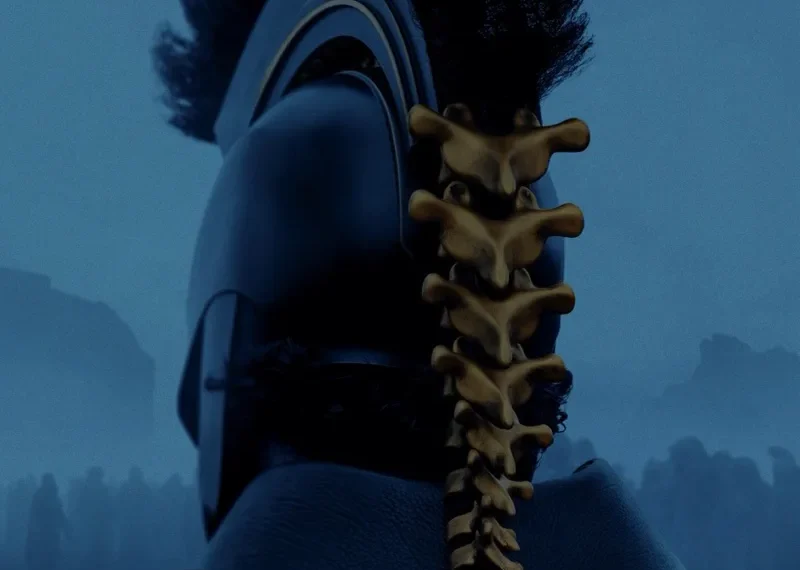
Cast: Matt Damon, Tom Holland, Anne Hathaway, Robert Pattinson, Lupita Nyong’o, Samantha Morton, Zendaya, Charlize Theron
Genre: Adventure, Drama, Fantasy, Romance
Director: Christopher Nolan
In Irish Cinemas: 17th July 2026
Christopher Nolan’s interpretation of The Odyssey is more than another literary adaptation—it feels like the culmination of themes that have run throughout his entire career. Echoes of Memento, The Dark Knight, and Oppenheimer are unmistakable, yet this film reshapes those familiar ideas into something grander, asking whether humanity can ever outrun the consequences of its own choices. While the scale is staggering, it’s ultimately the emotional weight carried by its female characters that leaves the strongest impression.
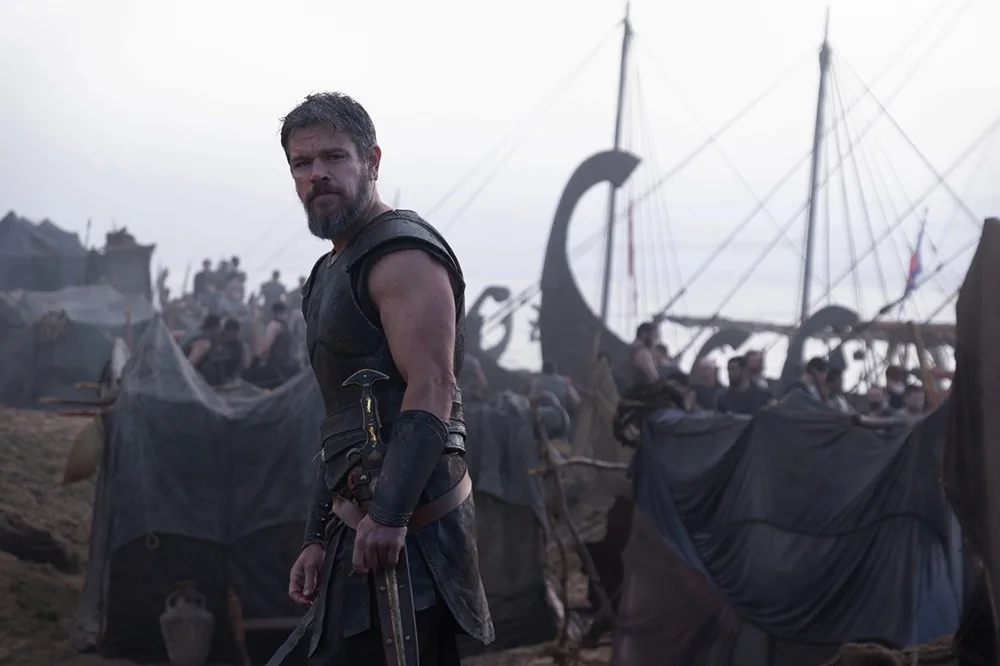
Odysseus has always been a figure of contradictions: a brilliant tactician, a devoted husband, a celebrated warrior, and a deeply flawed man. Nolan embraces those contradictions, presenting him as another variation of the morally conflicted protagonists that have long populated his films. Matt Damon portrays a leader haunted less by monsters than by the irreversible decisions he’s made, turning the voyage home into a meditation on guilt, fate, and redemption.
The Trojan Horse is depicted not simply as a legendary strategy but as the catalyst for a cycle of destruction that cannot be undone. Odysseus gradually realizes that his greatest triumph may also be his greatest failure. As he journeys back to Ithaca with his weary companions, divine intervention transforms every step into another impossible test, forcing him to question whether home is still waiting—or whether it exists only in memory.
Visually, Nolan delivers one of the most ambitious productions ever mounted. Filmed entirely with IMAX 70mm cameras, the movie possesses a scale rarely seen in modern cinema, yet its spectacle never overwhelms the storytelling. Monumental landscapes, towering architecture, and vast battlefields serve the emotional journey rather than distracting from it.
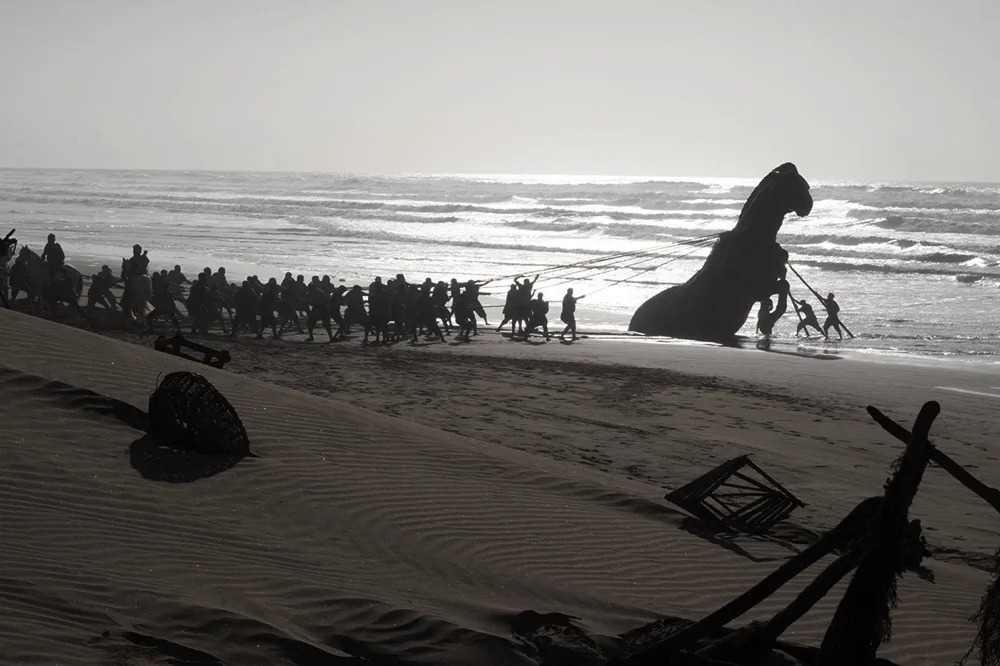
Despite unmistakably bearing Nolan’s cinematic signature, the adaptation remains remarkably respectful of Homer’s epic. Rather than modernizing the story beyond recognition, the film preserves its essential spirit while translating ancient ideas into a language contemporary audiences can immediately connect with. Every creative choice feels deliberate, from its narrative structure to its symbolism.
The production design strikes a compelling balance between historical inspiration and artistic interpretation. Instead of pursuing strict archaeological realism, the filmmakers create a timeless vision of ancient Greece that borrows from Mycenaean culture while embracing minimalist theatrical influences. The result feels less like a historical reconstruction and more like a myth brought vividly to life.
Musically, Ludwig Göransson avoids conventional orchestral grandeur, opting instead for rhythmic percussion, electronic textures, and ceremonial energy that reinforce the story’s mythic atmosphere. Even unexpected modern elements blend surprisingly well, emphasizing that Homer’s stories were never meant to feel frozen in history but alive through constant retelling.
Nolan also refuses to shy away from the supernatural. Mythological creatures and divine interventions remain central to the narrative, though they’re presented with a cinematic language that borrows from science fiction, fantasy, horror, and disaster films. The mythical becomes tangible without ever losing its sense of wonder.
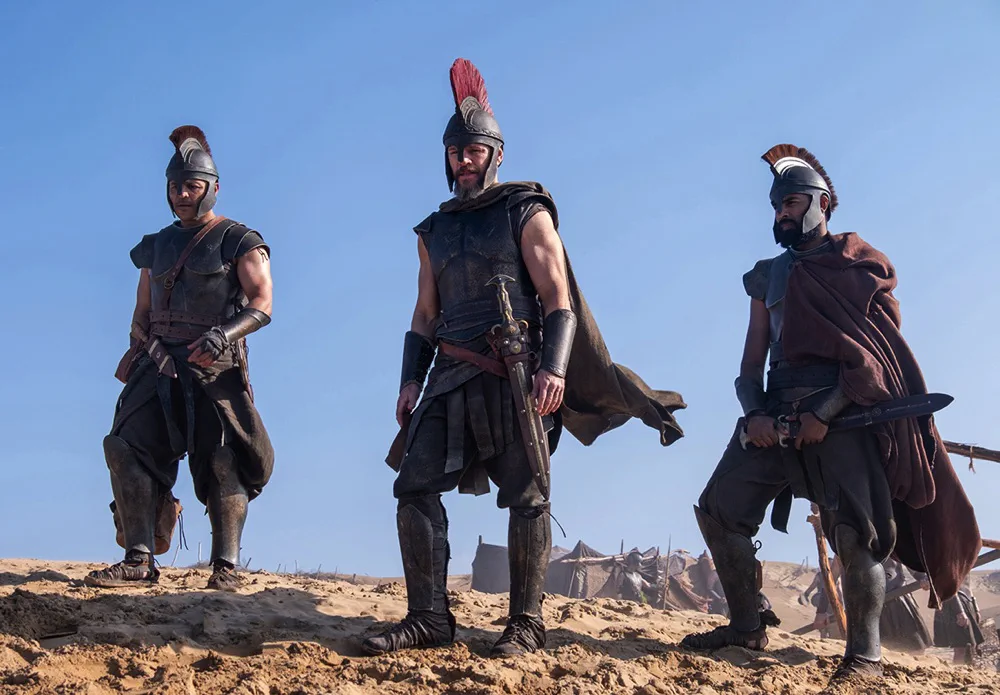
The ensemble cast delivers consistently strong performances. Damon gives Odysseus both commanding presence and quiet vulnerability, while Tom Holland offers one of his most mature performances as Telemachus, portraying a young man gradually stepping into adulthood. Supporting players each leave their mark, but the film truly belongs to its women.
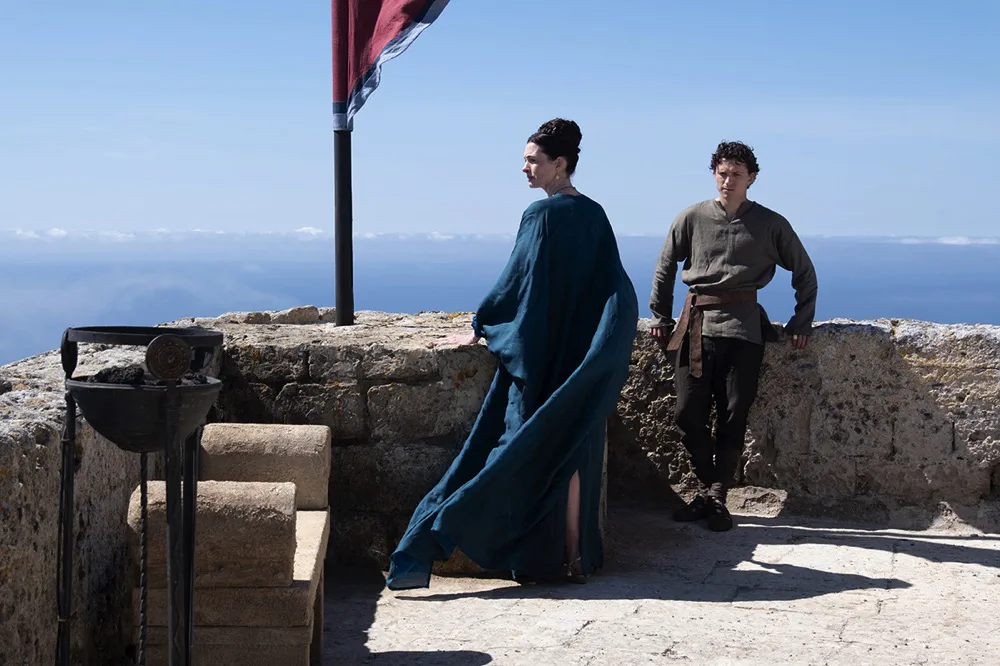
Anne Hathaway’s Penelope is the emotional anchor of the story, embodying resilience rather than passive patience. Samantha Morton’s Circe is both unsettling and deeply human, Charlize Theron’s Calypso radiates melancholy beneath her divine allure, Zendaya brings quiet authority to Athena, and Lupita Nyong’o lends remarkable depth to both Helen and Clytemnestra. Together, these performances reveal how women endure the consequences of wars fought by men, carrying grief, strength, and defiance in equal measure.
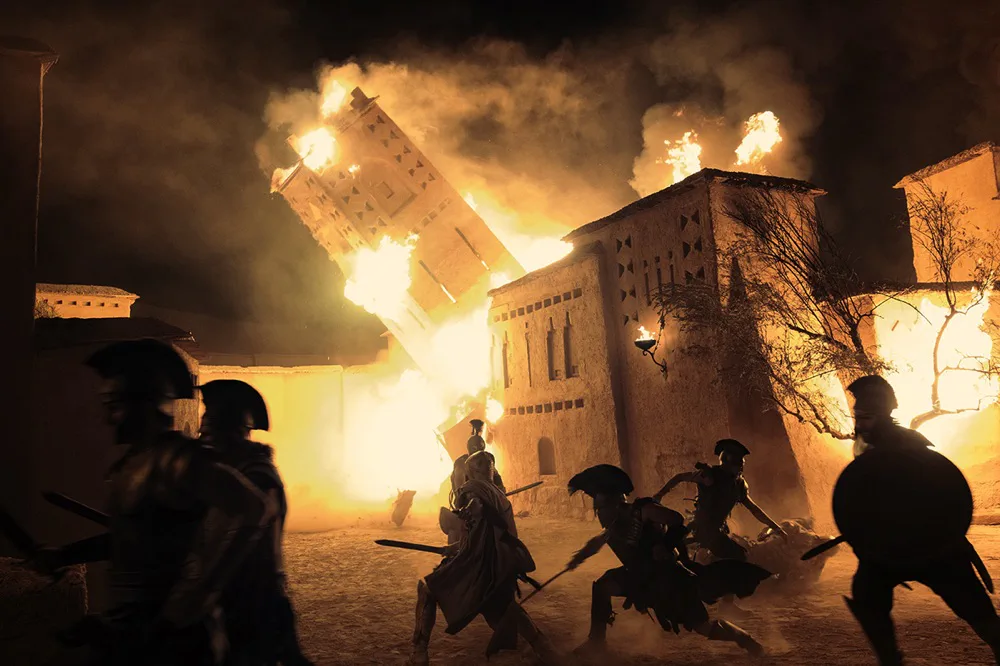
Beyond its mythological adventure, the film becomes a reflection on civilization itself. Nolan connects the collapse of the Bronze Age not only to war but to the erosion of trust and hospitality, the moral code that once held societies together. In his interpretation, every betrayal, from the deception of the Trojan Horse to the violation of Odysseus’ household, contributes to a larger unraveling of the world.
That perspective gives the ancient story unmistakable contemporary relevance. Rather than treating The Odyssey as a distant legend, Nolan frames it as a warning about cycles of violence, imperial ambition, and the belief that victory can erase moral compromise. History, the film argues, has a tendency to repeat itself, and humanity continues to make the same mistakes under different guises.
In bringing Homer’s epic to the screen, Nolan has crafted what feels like both his most personal and most ambitious work. It’s an immense cinematic achievement that balances spectacle with introspection, honoring one of history’s greatest stories while transforming it into a powerful reflection on the modern world.
Overall: 9.5/10

Movie Reviewer