Cast: Sacha Baron Cohen, Morgana Robinson
Genre: Comedy
Director: Sacha Baron Cohen
In Irish Cinemas: Now
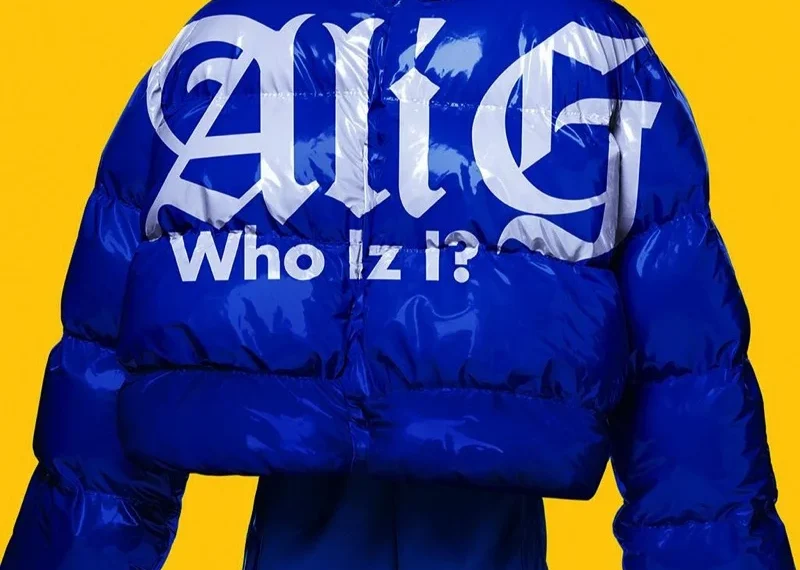
Ali G: Who Iz I? Review — A Satire Stuck in the Past
Sacha Baron Cohen brings Ali G back to the screen in Ali G: Who Iz I?, a mockumentary that attempts to expose political extremism, cultural hypocrisy, and the absurdities of modern society. Despite a handful of entertaining sequences, the film struggles to deliver meaningful commentary, relying on outdated jokes, exaggerated stereotypes, and a political message that often feels confused. The result is a comeback that offers occasional amusement but little reason to celebrate the character’s return.
Set two decades after Ali G’s peak popularity, the story follows the once-famous provocateur as he faces an uncertain future. Living with his pregnant partner, Julie, he stumbles upon an old offer to revive his television show and sees an opportunity to reclaim his former glory. His comeback becomes complicated by an increasingly bizarre conflict with a radical liberal figure who condemns his cultural appropriation while pursuing an equally extreme agenda. The escalating feud introduces conspiracies, threats against his family, and an absurd scheme involving the forced deportation of his unborn child.
The film represents a significant shift for Cohen, who takes the director’s chair for a feature-length mockumentary built around Ali G. Rather than simply reviving familiar material, the project attempts to adapt the character to a political climate shaped by polarization, online outrage, and arguments over identity. Unfortunately, the ambition rarely translates into effective satire.
Cohen has described the film as an effort to examine extremism across the political spectrum and the dangers of violence disguised as moral righteousness. Yet the narrative struggles to make that comparison convincing. The supposedly progressive antagonist feels less like a recognizable political figure and more like an imaginary villain assembled from familiar conservative complaints about cancel culture and the so-called woke movement. Satire loses its edge when it attacks an invented stereotype instead of exposing genuine contradictions in society.

This imbalance becomes particularly noticeable when the film’s staged scenarios involve real people. Republican participants are drawn into an alarming prank involving the apparent theft of a baby, while a progressive participant is manipulated into a far less threatening act. The contrast weakens the film’s claim to offer an even-handed examination of political extremism. Instead of demonstrating that both sides present comparable dangers, the scenarios suggest a substantial difference in the consequences of their behavior.
Ali G’s own identity crisis also promises more than it delivers.
The character’s name suggests a search for personal history and cultural belonging, but meaningful self-examination remains largely absent. His attempts to establish a genuine connection to Black culture rarely develop into a thoughtful exploration of appropriation or identity. Any personal growth is ultimately pushed aside in favor of a conventional resolution centered on family responsibilities.

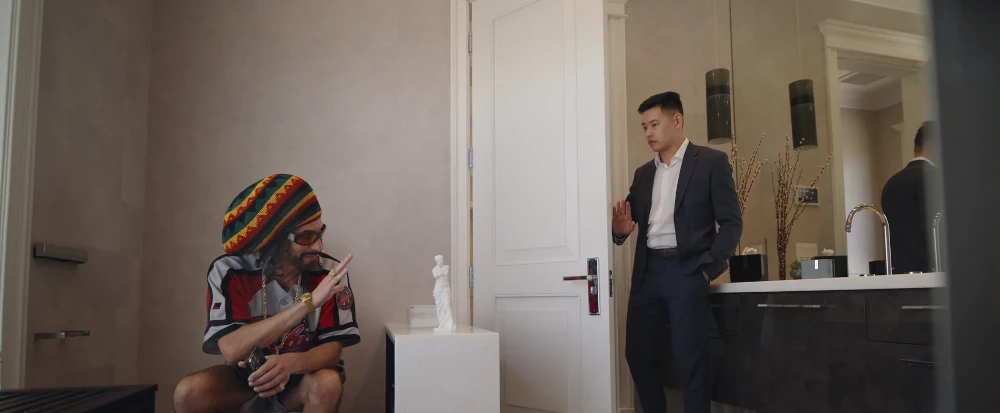
Comedy provides the film’s strongest moments, although consistency remains a problem. Cohen’s commitment to Ali G’s spectacular obliviousness occasionally produces genuinely funny exchanges, particularly in scenes involving Julie. One especially effective sequence places Ali G in modern short-form interview settings with elderly experts, including distinguished figures who struggle to understand the format. The clash between contemporary internet culture and their formal seriousness creates an inspired joke that feels fresh without requiring elaborate political commentary.
Elsewhere, however, familiar mannerisms and repetitive punchlines dominate. The film occasionally mocks nationalist bravado and anti-woke outrage, but its reluctance to challenge its own assumptions limits the impact. Rather than offering a sharp perspective on contemporary divisions, it often seems designed to reassure audiences who already believe its exaggerated political caricatures represent reality.
Ultimately, Ali G: Who Iz I? is a disappointing return for a character once celebrated for provoking uncomfortable conversations through outrageous comedy. Its best scenes demonstrate that Cohen can still find humor in social awkwardness and misplaced confidence. Unfortunately, these flashes of inspiration are buried beneath a muddled political argument and material that feels disconnected from the present moment.
The film may entertain devoted fans, but its satire lacks precision and its comedy rarely sustains momentum. Ali G once challenged audiences to question their assumptions. Here, the character seems trapped by the very formula that made him famous, leaving a comeback that feels more nostalgic than necessary.
Overall: 6/10

Movie Reviewer