Reviewed on 23rd February at the 2026 Dublin International Film Festival
Cast: Hanna Heckt, Lea Drinda, Lena Urzendowsky, Laeni Geiseler, Susanne Wuest, Luise Heyer
Genre: Drama, War
Director: Mascha Schilinski
In Irish Cinemas: 6th March 2026
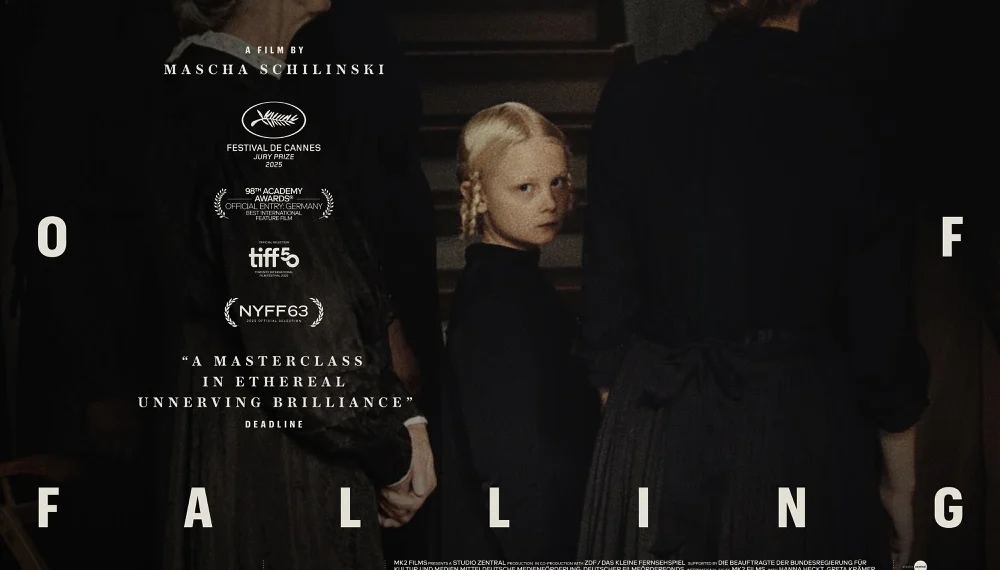
A sense of inherited sorrow seems to cling to the vast farmhouse in Germany’s Altmark, as though grief has soaked into the timber and plaster and refuses to fade. Across generations, joy appears briefly before being quietly swallowed again, leaving an atmosphere thick with memory. Yet time in this story never feels fixed. The decades that divide the four girls at its centre seem to ripple and fold in on themselves, creating the uncanny impression that past and present exist side by side. The result is Sound Of Falling, an arresting second feature from German filmmaker Mascha Schilinski, marked by bold scope and a steady, confident hand behind the camera.
Schilinski arrives in competition with relatively little fanfare, making her one of the festival’s most intriguing wildcards. Her 2017 debut earned modest attention on the festival circuit, collecting awards at smaller showcases, while subsequent work in German television kept her profile low but steadily growing. This latest film feels poised to shift that balance.
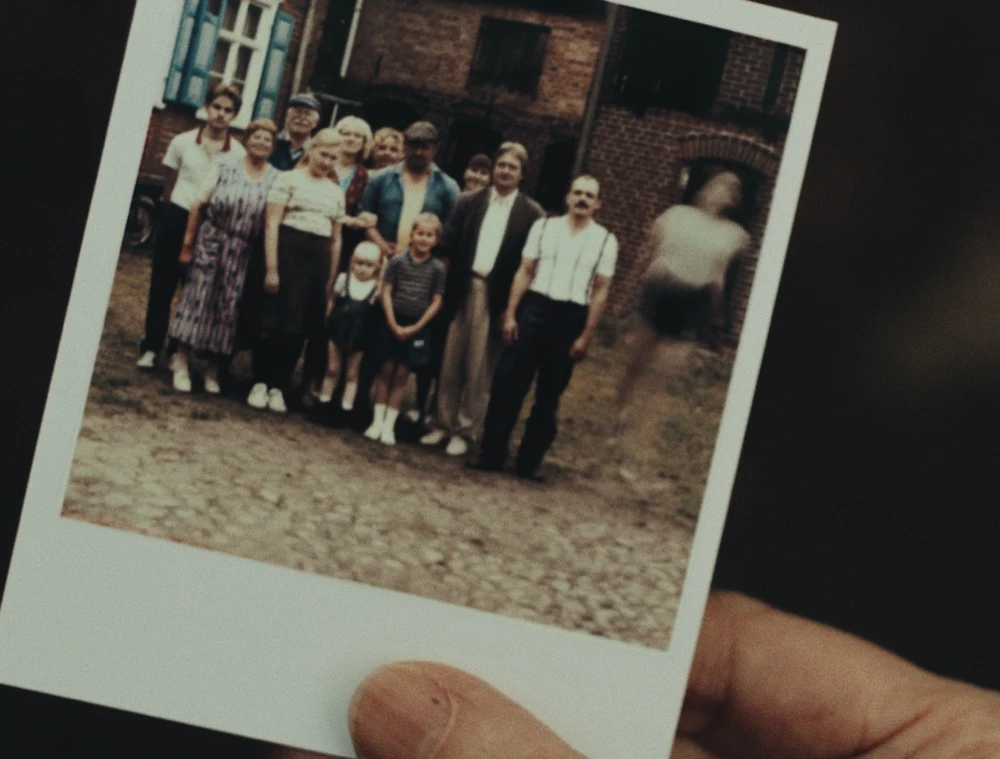
Spanning roughly a century, the film stitches together multiple timelines that echo and overlap. The earliest thread unfolds within a rural family bracing for the looming catastrophe of the First World War. Mortality hangs heavily over this closed, devout world. An All Souls’ Day observance honours the many children and relatives already lost, preserved in unsettling group portraits where the dead are dressed and arranged among the living. In this chapter, young Alma, delicate, pale, and quietly observant, becomes fixated on a photograph of her withdrawn mother posed beside the body of a child who looks uncannily like her. Teasing from older siblings plants a disturbing notion: the girl in the photograph might be Alma herself. From that seed, a chilling awareness of fragility and fate grows.
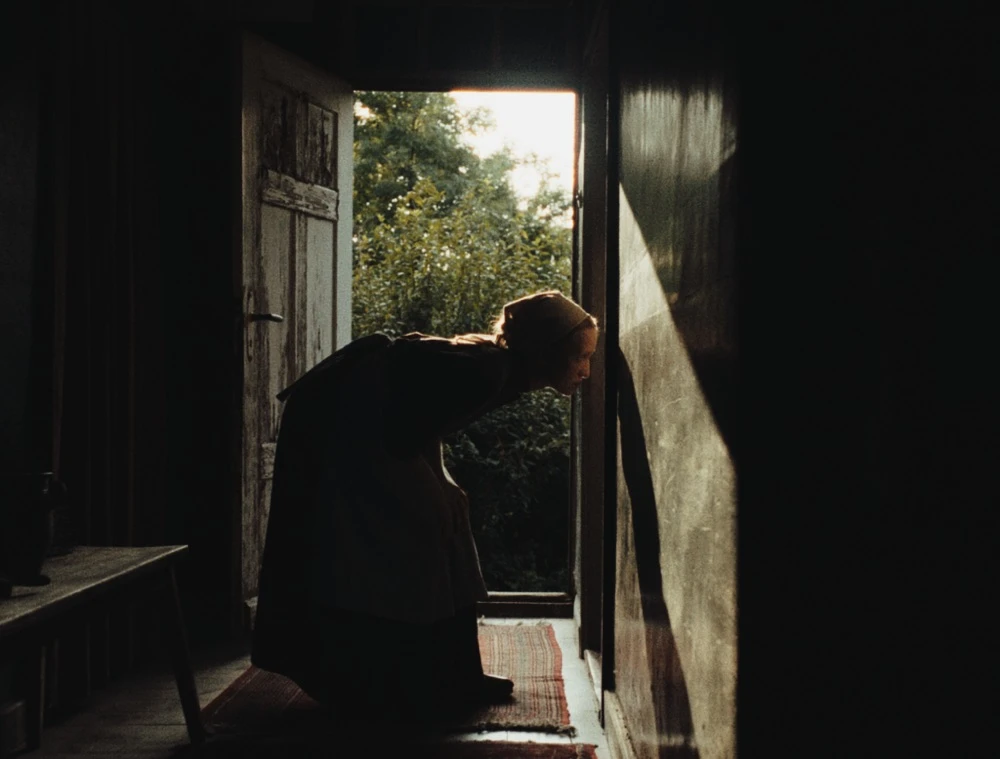
One sequence captures the film’s tonal dexterity. A mischievous prank involving a housemaid briefly fills the farmhouse with laughter and chaos, children scattering through dim corridors thick with mossy shadows. Then, without warning, the noise collapses into silence. The playful energy drains away, leaving Alma isolated in the stillness, as if the house itself has swallowed the moment whole.
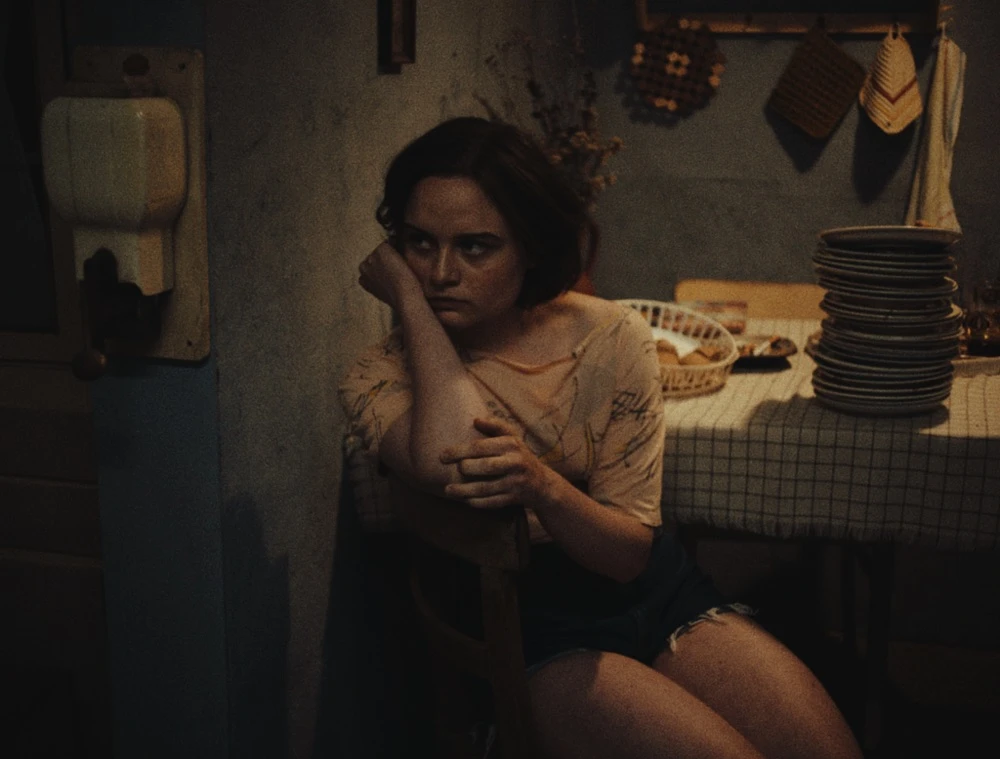
Later eras echo these early disturbances. Years on, teenage Erika drifts from her chores, drawn instead to her wounded uncle, a man marked by loss both physical and emotional. Decades later, in the 1980s, another young girl in the lineage finds herself navigating the uneasy presence of male relatives whose attention carries an undercurrent of menace. By the time the narrative reaches the present day, the original family’s hold on the farm has vanished. A new household moves in, hoping to restore the place, yet the building resists renewal. The residue of suffering lingers stubbornly, suggesting that trauma, once embedded, does not easily release its grip. The women who passed through these rooms endured cruelties both intimate and systemic violations that ripple forward long after the acts themselves have faded.
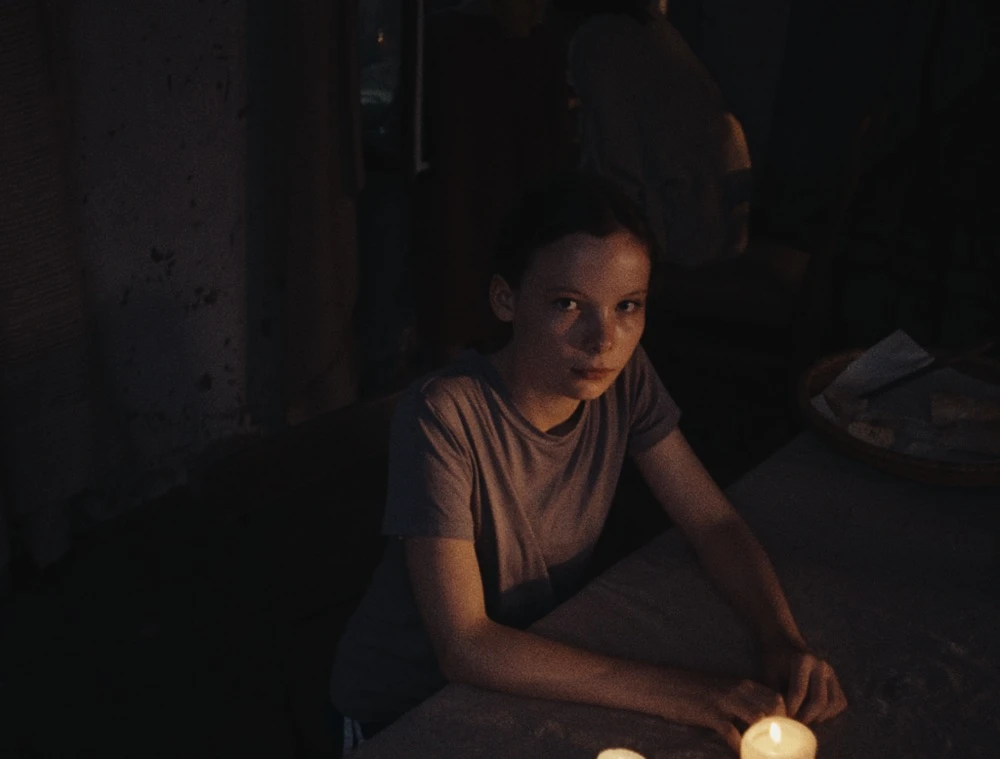
Schilinski binds the timelines through recurring motifs that slip between eras like ghosts. Fleeting, sensory details recur: sweat pooling in a navel, the suffocating unease of a hayloft, the eerie formality of posed photographs. The nearby River Elbe looms as both a geographical boundary and a symbolic divide, carrying undertones of separation and buried history. Water, in particular, dominates the film’s sonic landscape, swelling gradually until it crashes through the narrative with tidal force, a mounting roar that mirrors the emotional undertow.
Visually, the film is often mesmerising. Interiors are rendered in muted, velvety hues, allowing the children’s faces to glow softly against the gloom. Outside, the farmland bursts with lush greens and burnished golds, landscapes teeming with life yet shadowed by an ever-present awareness of death. Beauty and dread exist in delicate balance, each frame hinting that the past is never truly past, merely waiting beneath the surface, ready to rise again.
Overall: 7.5/10

Movie Reviewer