Reviewed on 15th November at the 2025 Cork International Film Festival
Cast: Kate Hudson, Hugh Jackman, Fisher Stevens, Jim Belushi, Michael Imperioli, Ella Anderson, King Princess, Mustafa Shakir, Hudson Hilbert Hensley
Genre: Biography, Drama, History, Music, Musical
Director: Craig Brewer
In Irish Cinemas: 1st January 2026
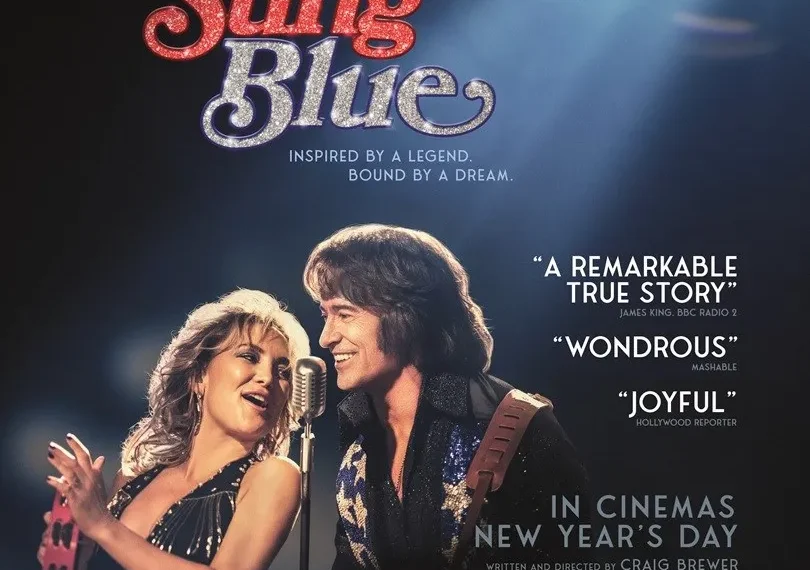
A lovingly old-fashioned mix of melancholy and uplift, Song Sung Blue spins an unlikely true story into a crowd-pleasing reverie about endurance, partnership, and the sustaining power of music. It follows a Milwaukee car mechanic and his hairdresser wife as they absorb life’s bruises without surrendering their shared dream, even when that dream seems barely breathing. The premise risks drifting into greeting-card sentimentality, but director Craig Brewer steers clear of cheap emotion, grounding the film in lived-in tenderness and buoyant, full-throated musical numbers. Above all, it soars on the chemistry between Hugh Jackman and Kate Hudson, with Hudson delivering her most grounded, affecting performance in decades.
There’s no pretending this isn’t aimed squarely at baby boomers, which naturally raises questions about its box-office prospects in a youth-skewing marketplace. Still, this is a throwback kind of entertainment, generous, sincere, emotionally open, and unafraid of earnestness that has become increasingly rare. It balances warmth with real hardship, joy with genuine ache, and that balance may well carry it through word of mouth during its holiday run. This is family-friendly filmmaking at its most generous: comforting without being hollow, sentimental without being soft.
Jackman stars as Mike Sardina, a divorced Vietnam veteran quietly celebrating two decades of sobriety in the late 1980s when he crosses paths with Claire Stengl (Hudson) at a Wisconsin State Fair showcase for musical impersonators. The lineup features tributes to everyone from Elvis and Willie Nelson to Barbra Streisand and James Brown, with Michael Imperioli’s Mark Shurilla presiding as both promoter and Buddy Holly stand-in. Mike, who performs under the self-mythologising alias “Lightning,” pulls out of the show after clashing with Mark, but not before striking up a spark-filled exchange with Claire. As she prepares to step onstage as Patsy Cline, she offhandedly suggests what will change his life: he should be singing Neil Diamond.
Brewer has long gravitated toward stories of performers clawing toward self-worth from Hustle & Flow to Dolemite Is My Name, so it’s easy to see why Greg Kohs’ 2008 documentary about this real-life duo resonated with him. Though the filmmaking here is more classical than some of Brewer’s earlier work, the movie pulses with sincerity and personal affection, especially in its reverence for the music. With Scott Bomar overseeing the soundtrack, the film becomes a near-continuous celebration of Neil Diamond’s catalogue. “Sweet Caroline” is duly honoured, but the film, like Mike himself, insists there’s far more to Diamond than his most unavoidable anthem.

Deeper cuts are allowed to shine: the tenderness of “Play Me,” the devotional lift of “Soolaimon,” the swelling spiritual energy of “Holly Holy,” and the barn-burning fervour of “Brother Love’s Travelling Salvation Show.” Rather than slicing songs into teaser-length snippets, Brewer lets them breathe, often building montages that simultaneously advance the plot and heighten emotional stakes.
That philosophy is evident from Mike and Claire’s first tentative collaboration, when he shows up with an armful of sheet music to test-drive the idea of a Neil Diamond act. By the end of that session, he’s invited her to become Thunder to his Lightning, and the professional experiment quickly turns personal. Jackman and Hudson sell both the romance and the act with ease, making it impossible not to root for them.
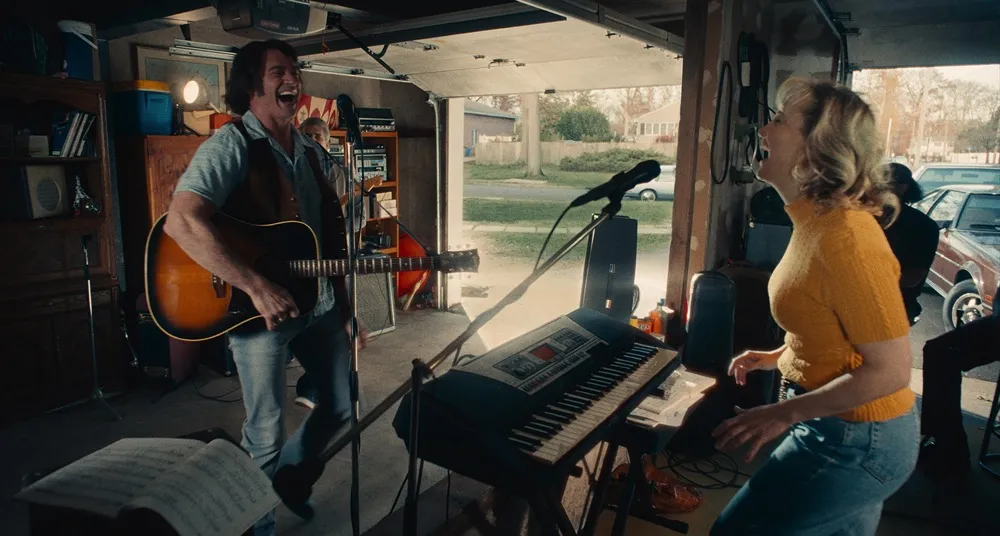
Even moments that might read as corny on paper land with surprising charm. A garage rehearsal featuring Mike’s longtime bandmates, Mark, now reluctantly retiring his Buddy Holly routine, explodes into an exuberant run-through of “Crunchy Granola Suite.” The joy is so contagious that even a grumpy neighbour across the street starts dancing mid-lawn-watering.
Claire, like Mike, carries scars from a failed marriage and struggles with depression, but performing and Mike himself become a stabilising force. Her young son Dayna (Hudson Hensley) warms quickly to his new father figure. At the same time, her teenage daughter Rachel (Ella Anderson) pushes back before slowly softening, aided by an easy bond with Mike’s visiting daughter Angelina (musician King Princess).
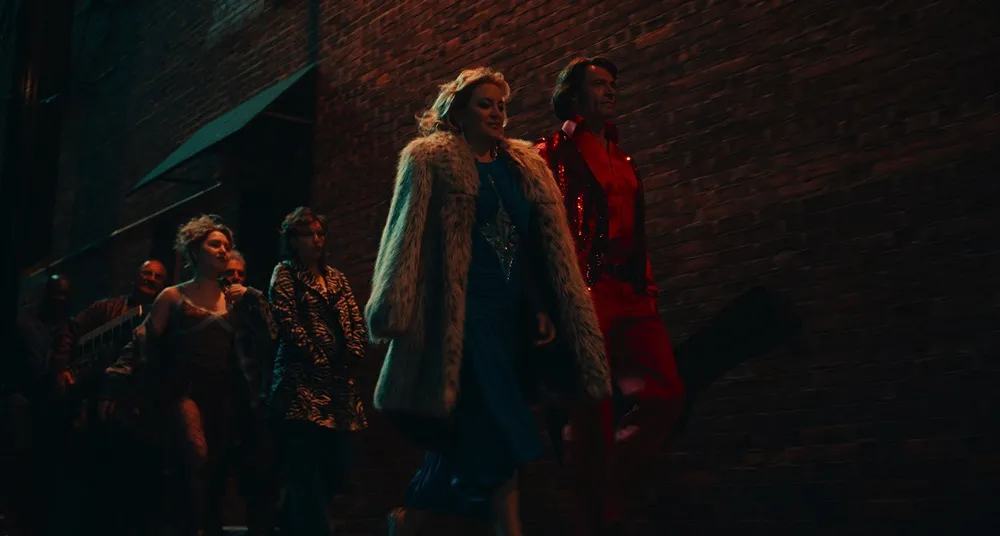
Opportunities arrive through a ragtag support network: Mike’s dentist and self-appointed manager (Fisher Stevens), a sketchy casino booker played for broad laughs by Jim Belushi, and a series of gigs that lurch unpredictably between triumph and disaster. A botched booking that swaps a motorhome convention for a biker rally nearly derails everything until it unexpectedly leads to a proposal. Soon, Lightning and Thunder are local celebrities, embraced by Milwaukee crowds and hometown TV news alike.
Just as their momentum peaks, reality intervenes. A devastating setback pulls Claire offstage and plunges her into a darker emotional spiral. Mike soldiers on, hosting karaoke nights at a Thai restaurant run by a devoted Neil Diamond superfan, but the spark is gone without his partner. The film layers setback upon setback, some briefly sketched, others more deeply felt, yet it maintains emotional traction through the sheer likability of its leads.
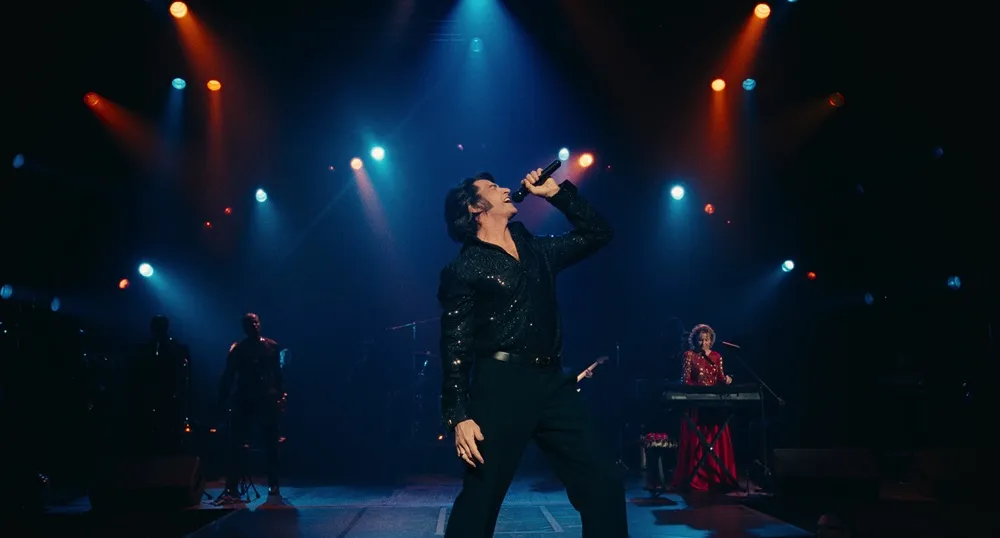
Jackman’s star persona fits the role like a glove. He throws himself into the theatricality, whether rehearsing in his underwear or strutting onstage in flamboyant ’70s costumes while also honouring Mike’s vulnerability and quiet decency. Hudson, however, is the film’s revelation. Stripped of movie-star gloss, she’s utterly convincing as a Midwestern working mother whose joy in performance feels hard-won and whose despair cuts deep. Her Patsy Cline numbers are soulful and assured, and her Neil Diamond solos resonate with aching clarity.
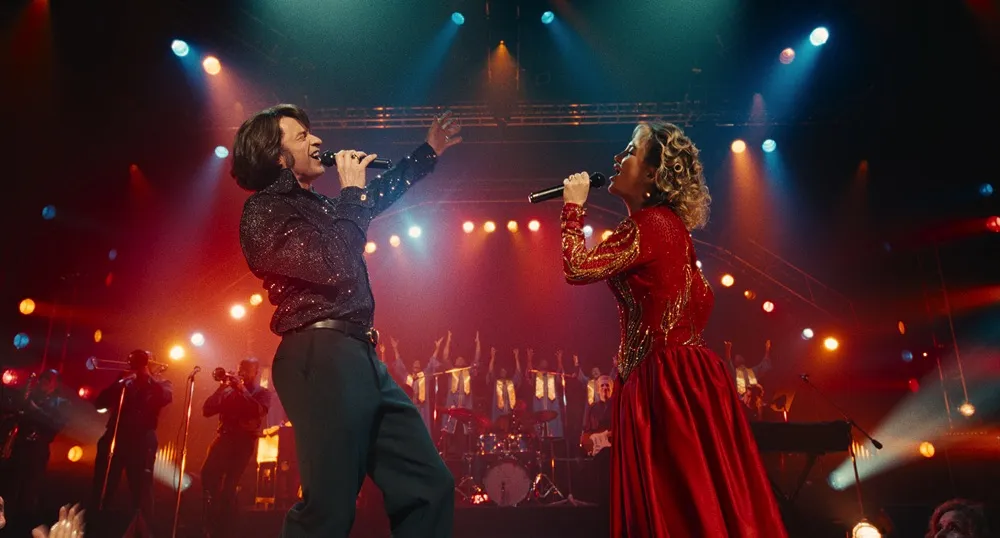
Supported by a strong ensemble and guided by Brewer’s unobtrusive direction, Song Sung Blue flirts with schmaltz but never collapses into it. What carries the film through its emotional crescendos and occasional excesses is its faith in human connection and its grounding in a story that’s improbable, messy, and profoundly true.
Overall: 7.5/10

Movie Reviewer