

Reviewed on 7th September at the 2025 Toronto International Film Festival
Cast: Brendan Fraser, Takehiro Hira, Mari Yamamoto, Shannon Gorman, and Akira Emoto
Genre: Comedy, Drama
Director: Hikari
In Irish Cinemas: 16th January 2026
Awards glory can be a double-edged sword. For many actors, an Oscar win, especially one that feels sudden, marks a peak rather than a beginning. Brendan Fraser, though, defies that pattern with an assured and deeply felt lead turn in Rental Family, his first starring role since The Whale. Playing a displaced American performer trying to stay afloat in Tokyo, Fraser anchors a quietly resonant dramedy that finds surprising emotional weight in its offbeat premise. Directed by Japanese filmmaker Hikari (37 Seconds), the film debuted at the Toronto International Film Festival and arrives in Irish cinemas this Friday with considerable charm and confidence.
Fraser’s character, Philip, is an actor whose career and sense of purpose have both stalled. Having lived in Japan for nearly a decade, he survives on scraps of work long after the brief success of a toothpaste advertisement once promised more. Now reduced to wordless background roles, Philip jumps at the chance when his agent proposes a new gig, one with minimal details beyond the instruction to play a “melancholy American.”
That job drops him into an unfamiliar and unsettling situation: a funeral for a man who is, conspicuously, not dead. It’s here that Philip is introduced to Rental Family, a company that supplies performers to fill emotional gaps in people’s lives through carefully staged encounters. Initially bewildered, Philip nevertheless impresses the firm’s pragmatic owner, Shinji (Takehiro Hira, Shōgun), who offers him ongoing work. Shinji’s pitch is blunt and transactional. Philip fills a very specific demographic need, but the promise of a steady income proves hard to refuse, even when an early assignment nearly derails everything.
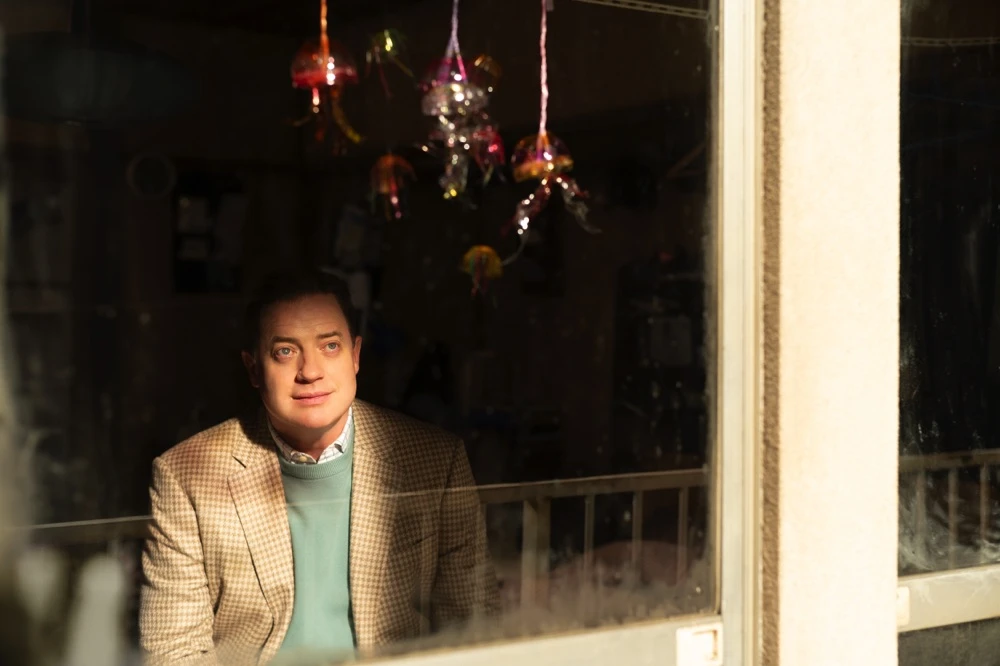
What follows is a series of increasingly intimate performances that blur the line between acting and real feeling. He’s hired to pose as a journalist interviewing an ageing screen legend (played by Akira Emoto in a wryly self-referential role), allowing the man’s daughter to preserve her father’s legacy. In another scenario, Philip pretends to be the estranged American father of a young girl named Mia (Shannon Gorman, strikingly natural in her first role), as part of an elaborate effort to help her mother secure the child’s admission to a prestigious school. Each situation demands emotional precision, and Philip’s growing inability to maintain distance becomes a liability.
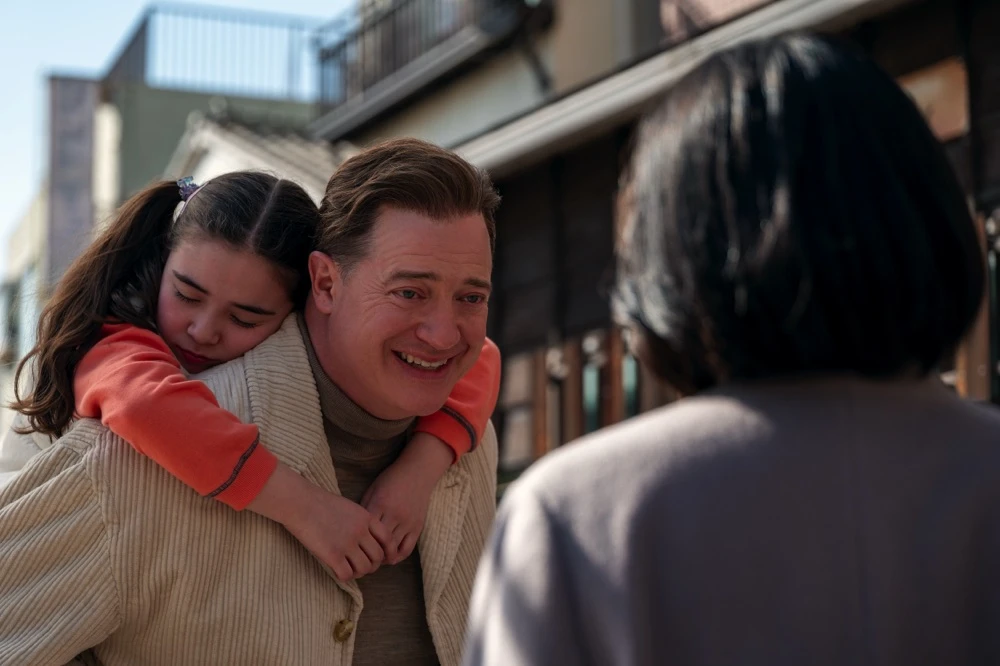
His connection with Mia forms the film’s most poignant thread. Believing Philip to be her real father, she invests fully in the illusion, forcing him to confront the ethical cost of his work. Through these relationships, Rental Family gently probes the roles people inhabit every day: parents, professionals, partners, and how easily sincerity and performance overlap. Hikari, working from a script co-written with Stephen Blahut, deepens this idea through subtle narrative turns that complicate first impressions and reward emotional attentiveness.
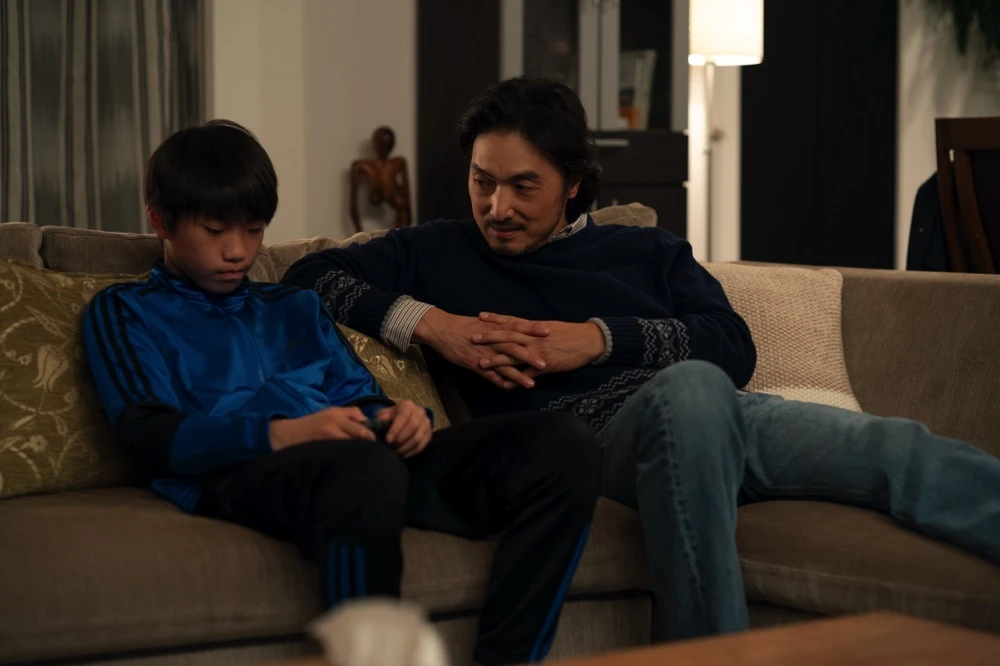
Visually, the film makes striking use of Tokyo’s scale and density. Cinematographer Takuro Ishizaka often places Philip against towering urban backdrops, emphasising his alienation within the city and within himself. Fraser’s physical presence, once used for broad comedy or action spectacle, now carries emotional gravity. His size and stillness underscore Philip’s feeling of being out of place, both culturally and internally. The supporting cast is uniformly strong, with Mari Yamamoto particularly engaging as a fellow Rental Family employee who becomes Philip’s closest confidante, sidestepping any obvious romantic trajectory.
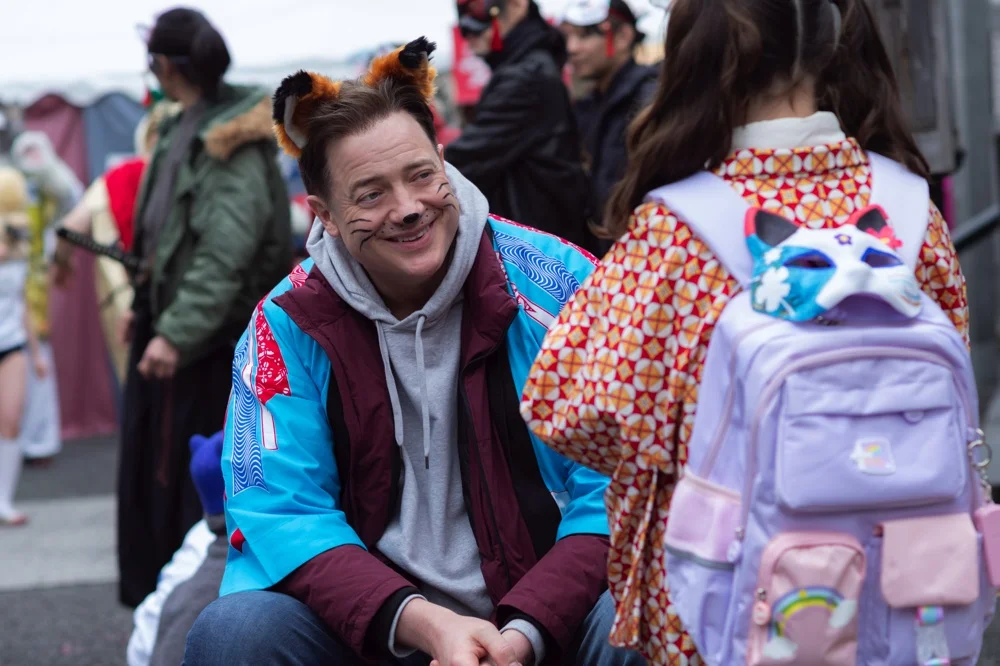
Late in the film, Mia asks a simple but piercing question: “Why do grown-ups lie?” It’s a moment that encapsulates the film’s quiet power. Rental Family doesn’t offer easy answers, but it approaches the question with empathy, humour, and a disarming honesty that lingers long after the final scene.
Overall: 7.5/10

Movie Reviewer