

Reviewed on 22nd February at the 2026 Dublin International Film Festival
Cast: Eddie Marsan, Éanna Hardwicke, Eva Birthistle, Michelle Fairley
Genre: Crime, Drama, Thriller
Director: Colin McIvor
In Irish Cinemas: 27th March 2026
Casting Eddie Marsan as the rigid, by-the-book bank manager at the centre of this dramatisation of the 2004 Belfast heist is a curious decision, one that never quite settles into place. The film itself, rooted in a story that should naturally lend itself to a tense, high-stakes thriller, instead unfolds with a surprising lack of urgency or flair.
Despite the real-life events offering rich, dramatic potential, the execution feels muted and oddly hesitant. Director Colin McIvor assembles the narrative in a way that comes across as uneven and uninspired, never quite building the momentum the premise demands. His background doesn’t seem to translate well into this genre, and the result is a film that feels more functional than gripping.

Marsan delivers a competent performance, even managing the local accent with some credibility, but his understated presence works against the role’s inherent intensity. As Richard Murray, a tightly wound bank manager forced into compliance when his wife is taken hostage, he lacks the commanding edge needed to anchor the story. In contrast, Éanna Hardwicke brings a sharper energy as Barry, the security guard caught in the same nightmare, giving the film one of its few sparks of urgency.
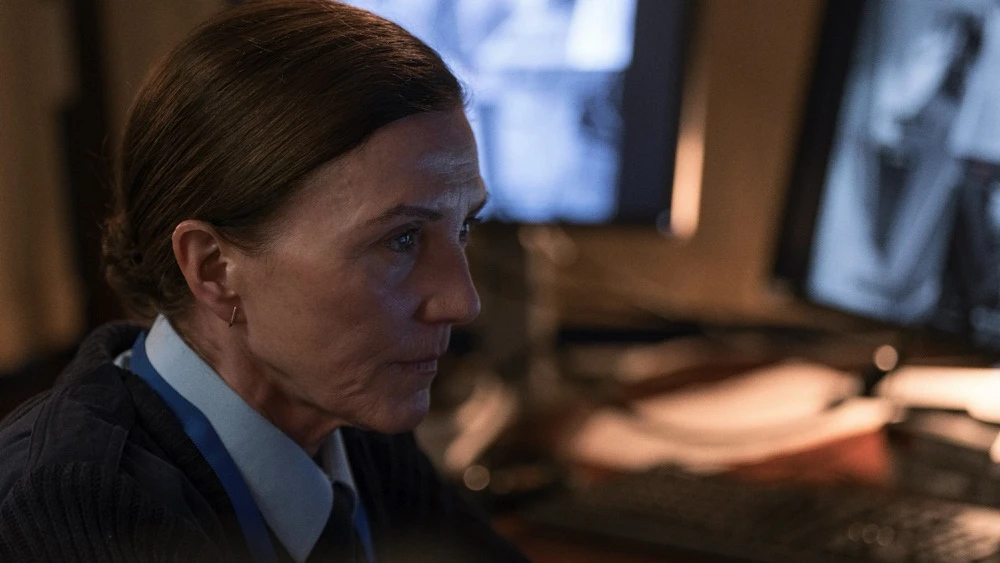
The plot follows the two men as they navigate the robbers’ demands, covertly moving vast sums of cash out of the bank disguised as waste during the Christmas period. While the setup is inherently tense, the antagonists themselves are sketched too thinly to leave a lasting impression, save for one particularly unsettling figure whose invasive presence in a hostage’s home adds a fleeting sense of menace.

There are hints of deeper themes, particularly the lingering shadow of Northern Ireland’s past, with suggestions of paramilitary involvement, but these ideas are only lightly touched upon. The script gestures toward exploring the psychological and societal aftermath of the Troubles, yet never commits to digging beneath the surface.
Similarly, a subplot involving looming job cuts at the bank and the anxiety they create for staff like Michelle Fairley’s security chief is introduced with promise but ultimately abandoned. It’s emblematic of the film as a whole: threads with potential are raised, only to be left unresolved.

In the end, what could have been a taut and layered crime drama instead feels restrained to the point of dullness. Lacking both the scale and the creative ambition to elevate its source material, the film settles into mediocrity, competent in parts, but rarely compelling.
Overall: 6/10

Movie Reviewer