Developer: Berangin Creative
Platforms: PC (Reviewed), PS4, PS5, Switch, Xbox One, Xbox Series X|S
Genre: Action, RPG
Publisher: Soft Source
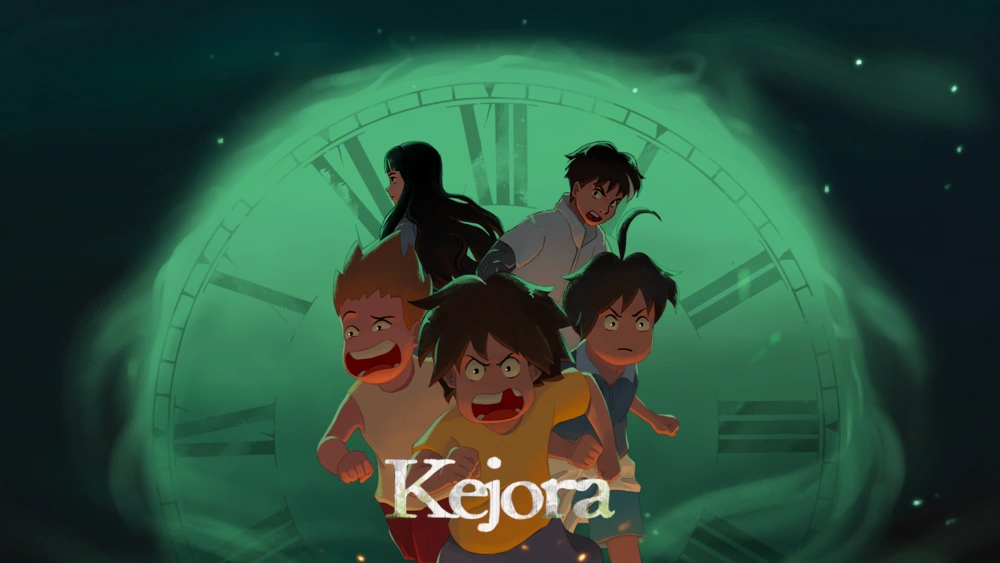
Kejora is a hand-drawn narrative puzzle game. The game is developed by Berangin Creative and published by Soft Source. This review was done for PC, but the game is also available for PlayStation 4/5, Nintendo Switch, Xbox One and Xbox Series X|S.
Kejora is a short indie puzzle platformer set in a rural Indonesian village. The game opens on what seems like an ordinary day between Kejora and her sick mother, immediately grounding the story in something personal. However, that sense of simplicity does not last long. As Kejora begins uncovering secrets hidden within her village, the narrative slowly unravels into something far more supernatural. The village becomes trapped in a mysterious time loop, forcing its residents to relive the same day over and over again.
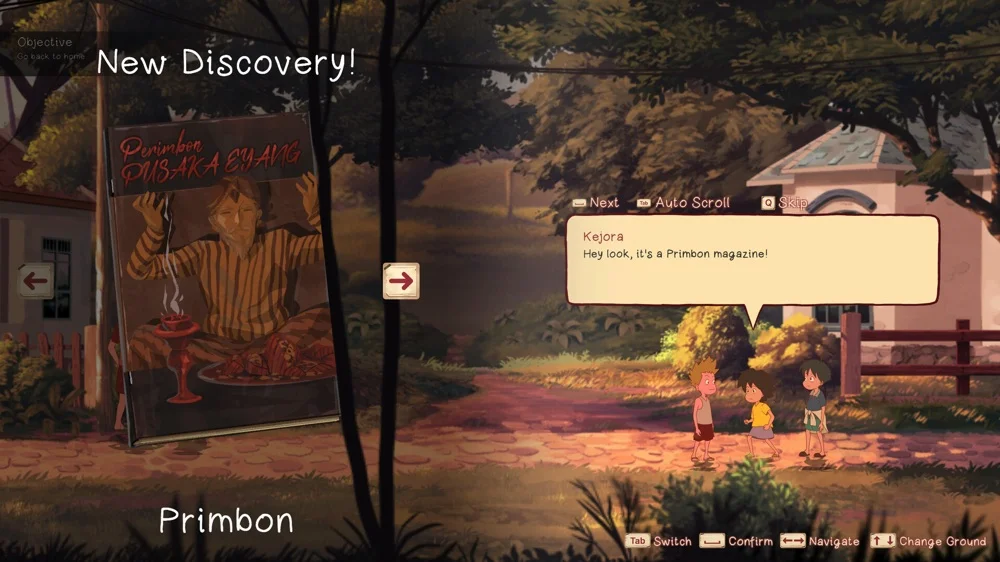
What I loved most about the story is its contrast. You have this peaceful, almost nostalgic depiction of rural life where children are running around, villagers go about their day, layered with an eerie undertone of something being very wrong. The shift from ordinary village life to monsters lurking in the shadows is surprisingly effective. However, that being said, while the concept is geniungely intriguing, parts of the narrative felt slightly rushed. Some story elements and motivations could have been explored more deeply, and by the time the ending arrives, it feels like it needs just a bit more polish to hit emotionally.
The controls in Kejora are straightforward and mostly keyboard-based (the game can also be played with a controller), which makes it very accessible. Movements feel intuitive, and basic platforming is comfortable enough that you can focus more on the puzzle rather than inputs. A feature I really appreciated was the auto-play dialogue option. It is a small addition, but it makes reading character interactions feel smoother and more immersive.
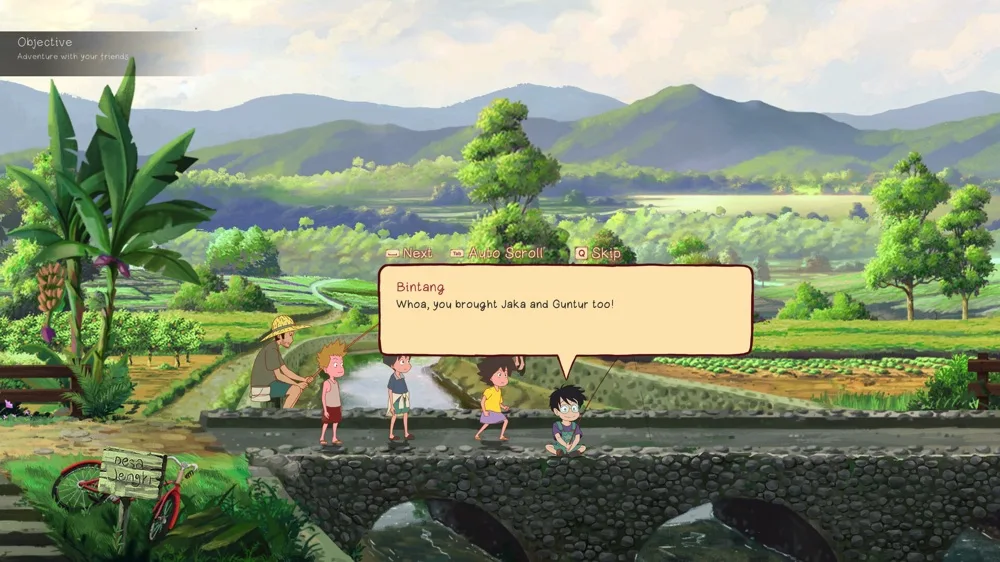
The core mechanic revolves around switching between Kejora and her two friends, Jaka and Guntur, each of whom has their own unique abilities. Jaka can push objects and throw stones, while Guntar can break obstacles, punch and help Kejora reach higher platforms. The switching mechanic definitely adds variety to puzzles and reinforces the idea of teamwork. However, the execution is not perfect. At times, switching between the characters feels really buggy, which unfortunately disrupted the otherwise fluid, smooth feeling of the game. Considering how polished the animations are, those moments of mechanical stiffness stood out more than they should have. While the mechanics emphasise teamwork, I did wish the dynamic between Kejora, Jaka and Guntur felt more alive. The friends often feel like puzzle tools rather than fully realised characters.
Visually, Kejora is absolutely breathtaking. The hand-drawn art style makes it feel less like you are playing a game but more like you are flipping through an animated visual novel. The aesthetic gives off strong Studio Ghibli vibes, especially during the cutscenes, which are some of the most gripping parts of the entire experience. At first, the style even gave a slight Shin Chan energy, but it quickly evolves into something far more magical and cinematic.
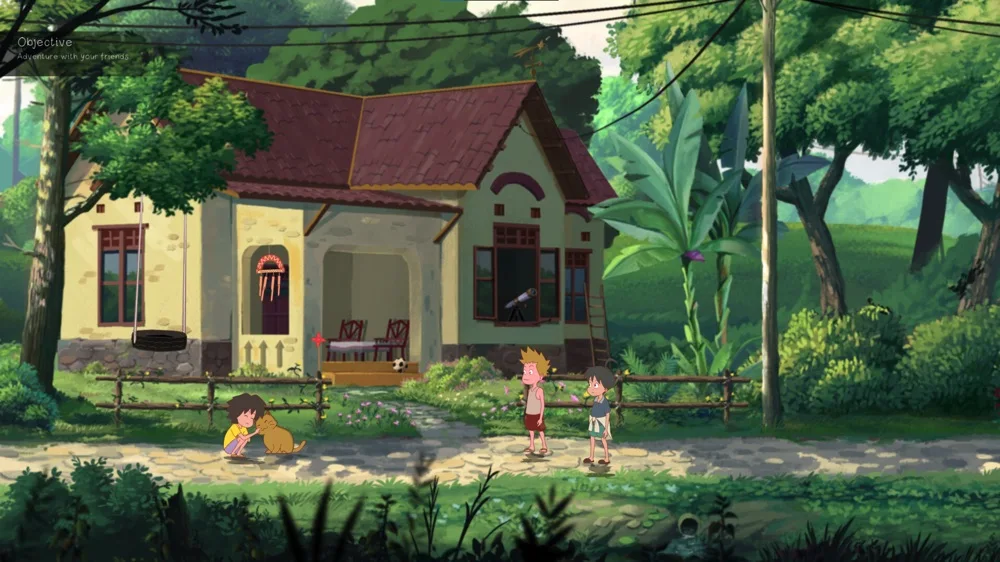
The level of detail is honestly insane. Little ferns sway in the wind in the foreground. Swings rock gently. Wind chimes move softly in the breeze. Characters have sketch lines on their clothing to show wrinkles, and their facial expressions feel effortless and natural. The blend of 2D hand-drawn art with subtle 3D environmental depth creates a world that feels alive. Every frame feels intentional, crafted with so much care and love.
In terms of audio, the game does include sound effects to build atmosphere, but they are not consistently present throughout. While there are moments of ambience that enhance immersion, the absence of sound in certain sections makes the world feel slightly less full in comparison to its visuals. With visuals this stunning, a stronger, more consistent sound design would a hundred per cent elevate the experience.
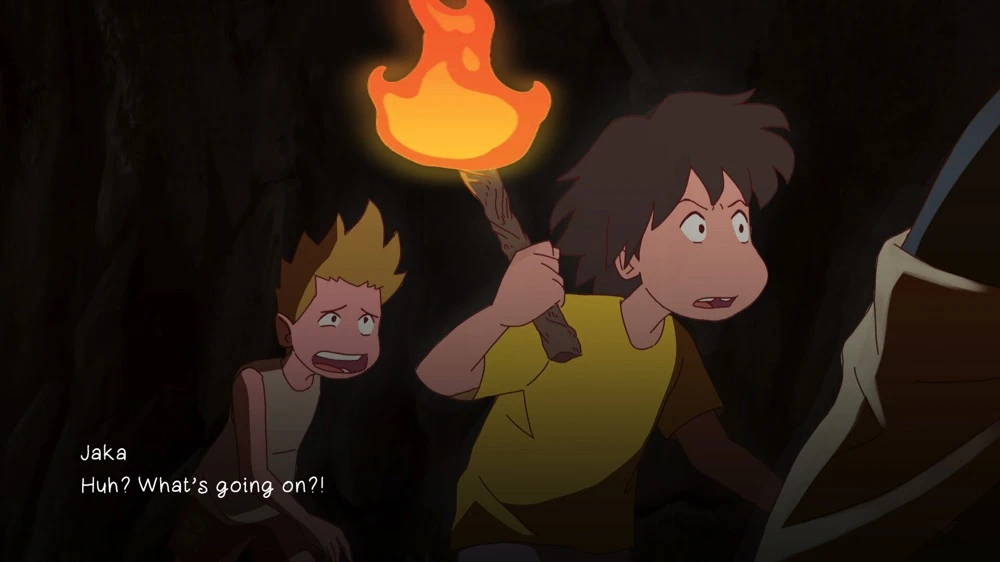
Gameplay in Kejora revolves around puzzle-solving and light platforming. You will often need to position characters strategically, use their abilities and even distract enemies to progress. There are sections where you can encounter monsters and must set traps, sneak past them, or work as a team to survive. These moments add tension and break up the pacing nicely. The puzzles themselves are mostly straightforward, which I personally enjoyed. I initially expected something much more difficult, but this was more like a relaxing experience than a frustrating one. I mean, some puzzles do have quite a bit of backtracking, mainly because Kejora can only hold one item, which may bother some.
As a whole, Kejora feels like a game where the developers poured their hearts into the visuals, and it honestly shows. The animation, environmental detail and cultural representation of Southeast Asia are done with so much grace. The world feels handcrafted and authentic, and that is something I genuinely admire. At the same time, the game does need just some rework to polish the story and create better dynamics between characters to make it more impactful. The adventure is short and enjoyable, but I found myself wishing for just a little more depth and payoff by the end.
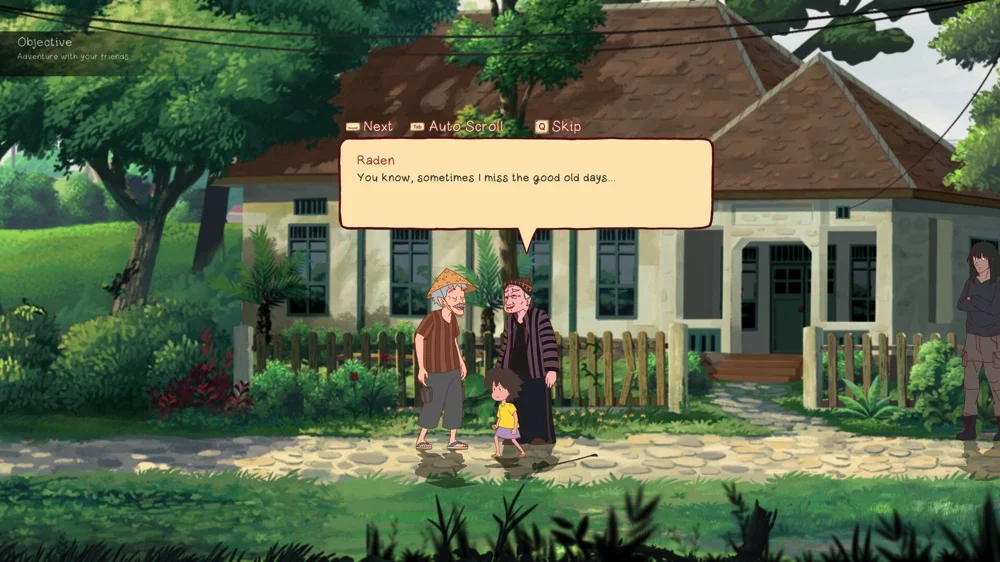
Kejora is a visually stunning indie experience that feels like stepping into an animated storybook rooted in Southeast Asian culture. Its simple puzzles, heartfelt premise and beautiful art direction make it a memorable short adventure. If you are someone who values art, gentle puzzle solving and atmosphere, then Kejora is absolutely worth checking out!
Overall: 7.5/10

This is S & S. We are world game explorers. We play games. We have played over 10,000+ games! We travel, we write reviews AND we play more games!!!!