
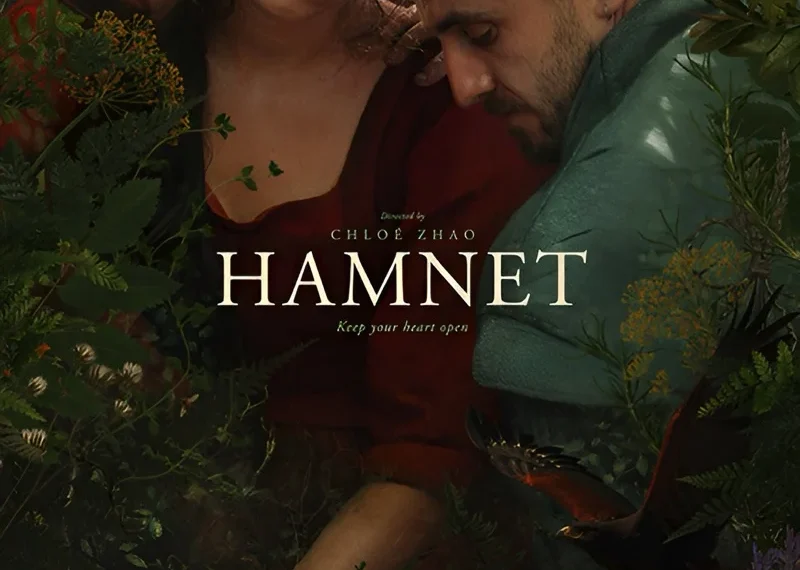
Reviewed on 8th September at the 2025 Toronto International Film Festival
Cast: Jessie Buckley, Paul Mescal, Emily Watson, Joe Alwyn
Genre: Biography, Drama, History, Romance
Director: Chloé Zhao
In Irish Cinemas: 9th January 2026
Maggie O’Farrell’s celebrated 2020 novel Hamnet is steeped in atmosphere and inwardness, its prose alive with sensory detail and private reflection. It is the kind of book that seems almost hostile to cinematic translation, so dependent is it on texture, thought, and mood. To imagine it as a film, let alone one capable of honouring O’Farrell’s spellbinding delicacy, feels like a fool’s errand. And yet Chloé Zhao has taken on the challenge. What emerges is a measured, at times ponderous period drama whose final passage delivers an emotional impact of startling force.
Zhao’s sensibility initially appears well matched to the material. Her filmmaking has always been attentive to landscapes and to the quiet longing of those who move through them. Still, Hamnet marks a departure for her: it is far more polished and formally composed than The Rider or Nomadland, films whose modest scale and rough edges lent them a rare intimacy. That grounded humility is largely absent here. In its place is a sheen of seriousness that occasionally feels laboured, as though the film is straining under the weight of its own importance.
Yet Zhao’s defining empathy endures, and it is crucial to this story, which flirts constantly with emotional excess. Historically, Hamnet was Shakespeare’s son, dead in childhood, and long rumoured to have inspired the name and perhaps the spirit of Hamlet. O’Farrell’s novel, and Zhao’s adaptation, push that idea further, proposing that the play itself was forged from grief, an act of mourning disguised as art. It is a compelling theory, even if it requires a generous suspension of disbelief. Zhao sometimes presses the point too hard, a moment in which a distraught Shakespeare recites lines from the “to be or not to be” soliloquy along the Thames feels especially on-the-nose. Still, by the film’s conclusion, the conceit has primarily earned its keep. Whether or not it is historically plausible becomes beside the point. The film uses speculation not as fact but as a lens through which to examine how loss is lived with and transformed.
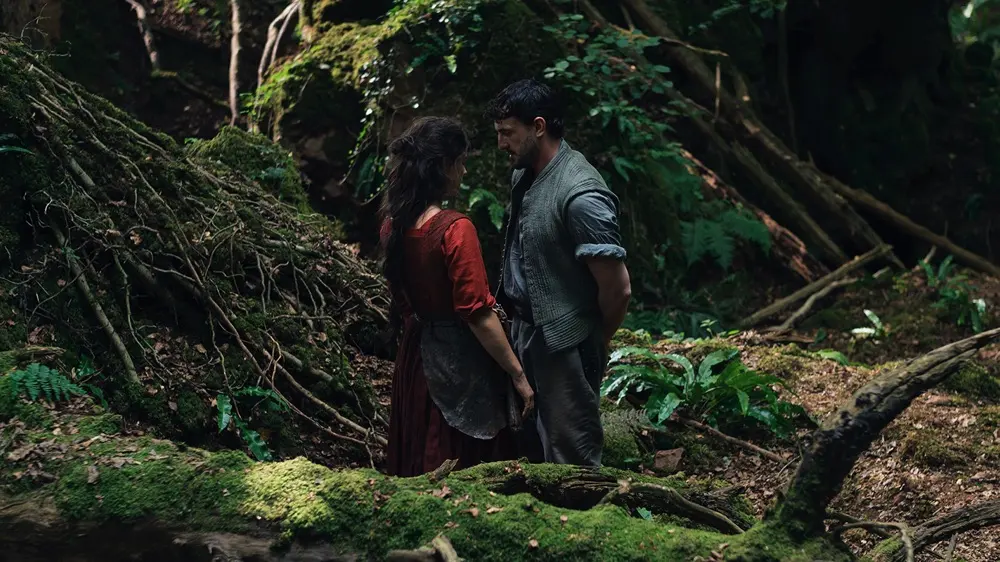
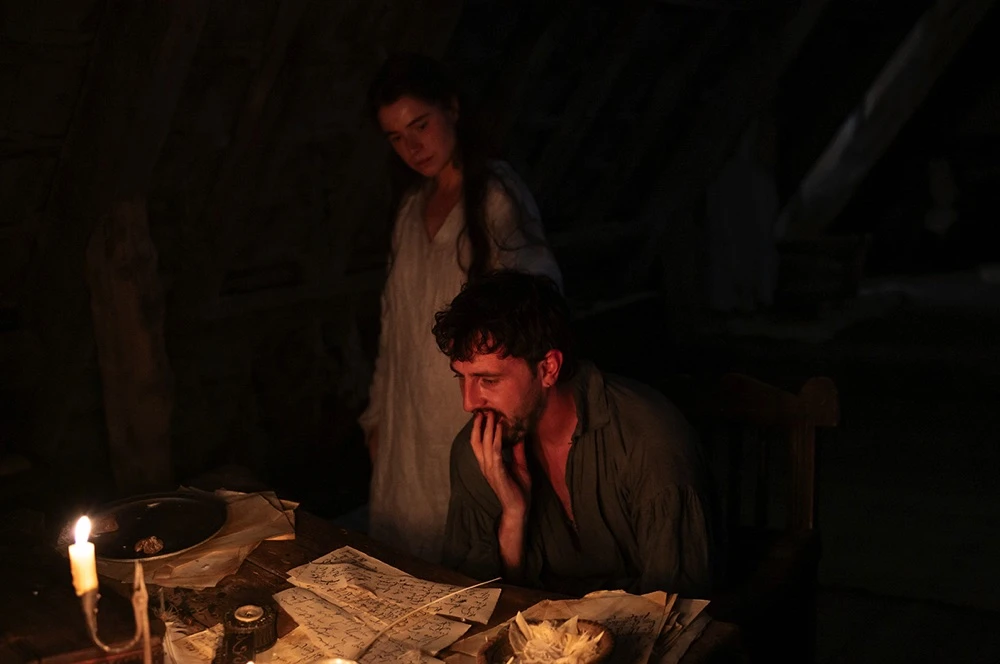
The narrative freely invents other chapters of Shakespeare’s life. It imagines the early relationship between William (Paul Mescal), then working as a tutor, and Agnes Hathaway (Jessie Buckley), portrayed as an enigmatic outsider viewed with suspicion by her neighbours. William is drawn to her strangeness, to a singularity that shapes the rhythms of their shared domestic life. Zhao lingers on these beginnings, perhaps excessively so. The film might have benefited from redirecting some of that attention toward the years when Hamnet (Jacobi Jupe) was alive, sharing the household with his twin sister Judith (Olivia Lynes) and older sister Susanna (Bodhi Rae Breathnach). The tragedy of his death would have landed with greater force had we been allowed to know him more fully as a presence rather than a symbol.
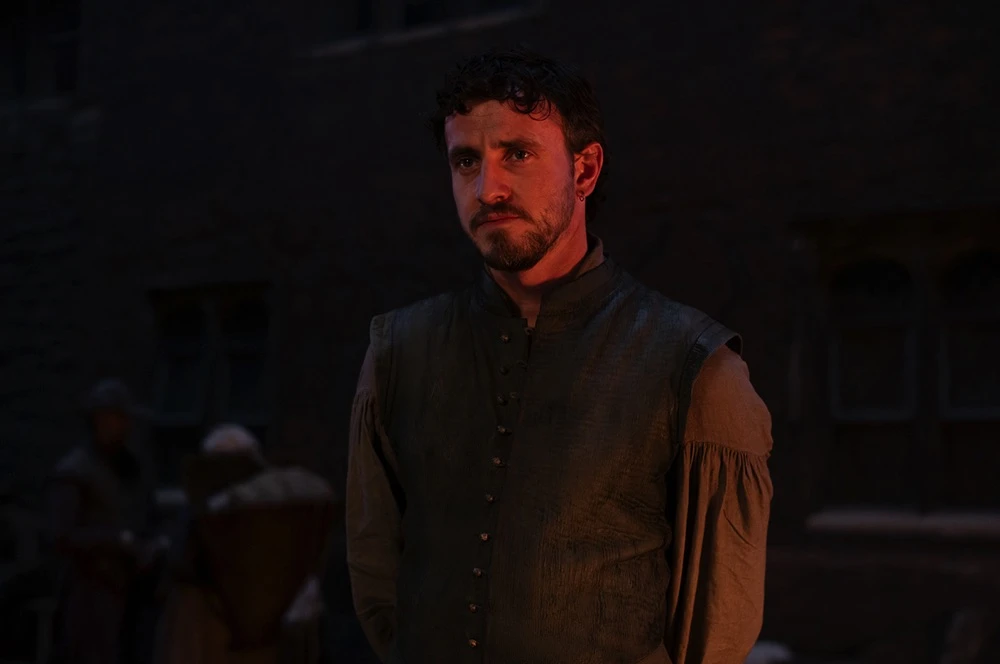
What the screenplay leaves underdeveloped, however, is compensated for by extraordinary performances from its leads. Mescal, given more room than in restrained works like Aftersun or The History of Sound, reveals a striking emotional range, shifting seamlessly from tenderness to devastation. Still, it is Buckley who becomes the film’s gravitational centre. Her Agnes is a vessel for grief in all its physical and spiritual dimensions, a performance of remarkable depth and intensity. The film’s climactic sequence depends almost entirely on her ability to carry it, and she does so with such raw conviction that the line between acting and embodiment seems to dissolve. (Buckley also recorded a new audiobook of Hamnet, which only reinforces her deep connection to the material.)
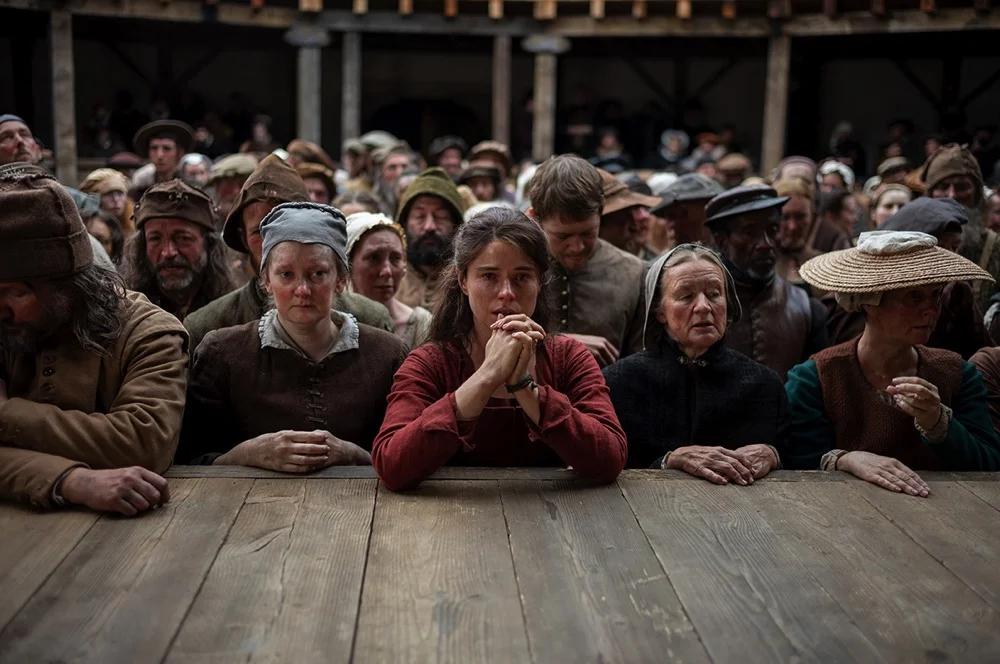
If this sounds hyperbolic, the film’s final minutes justify the rhetoric. They are genuinely breathtaking, so affecting that even the familiar strains of Max Richter’s “On the Nature of Daylight,” previously deployed to devastating effect in Arrival, feel earned rather than opportunistic. In this closing movement, Zhao clarifies what Hamnet has been striving toward all along. The film is not merely an exercise in tasteful sorrow, though it sometimes risks becoming one. Instead, it culminates in a meditation on the alchemy of art itself. We witness an intensely private anguish transfigured into something communal and enduring. Creation, the film suggests, is not an escape from grief but its transformation.
This luminous ending does not entirely erase the film’s shortcomings. The narrative remains uneven, with its emotional cues occasionally heavy-handed and its portrayal of Agnes’s mystical tendencies edging toward affectation. And yet the sheer catharsis Zhao achieves in those final moments may be enough to tip the balance. As Agnes reaches for the child she cannot keep, the tears come without coercion. In that shared darkness of the theatre, grief becomes collective, our own losses echoing alongside theirs. The film leaves us with the quiet, astonishing consolation that even across centuries, art can still bind strangers together in mourning and recognition.
Overall: 8/10

Movie Reviewer