
Cast: Riz Ahmed, Morfydd Clark, Joe Alwyn, Sheeba Chaddha, Avjit Dutt with Art Malik and Timothy Spall
Genre: Drama
Director: Aneil Karia
In Irish Cinemas: 6th February 2026
Aneil Karia’s new take on Hamlet opens with a moment of striking intimacy and sorrow. Riz Ahmed’s Hamlet tends to his dead father’s body, carefully washing it as his uncle Claudius and other men look on. A Hindu priest chants verses from the Bhagavad Gita. In a single, wordless stretch, the film plunges the audience into Hamlet’s private devastation. It’s a powerful reinvention of Shakespeare’s opening movement, and a reminder of how a thoughtful cultural shift can cast a familiar work in a revealing new light.
That early promise, however, is difficult to sustain. Relocating the story to a contemporary South Asian community in London is, in principle, a bright and often resonant choice. The famous play-within-the-play becomes a stylised dance performed by a South Asian troupe, an elegant and expressive substitution. But when the adaptation leans too hard into modernising details or cinematic flourishes, the result frequently feels forced. Turning Elsinore into a corporate empire called the Elsinore Construction Group is a groan-inducing wink at the source material, and the staging of “To be or not to be” strains desperately for significance.
Ahmed, an actor known for his simmering restraint, brings that same inward intensity to the role of Hamlet, but initially to the film’s detriment. Early scenes are marked by hushed delivery and a muted presence, especially as Hamlet reacts to the swift remarriage of his mother, Gertrude, to Claudius. At first, he seems more baffled than broken.
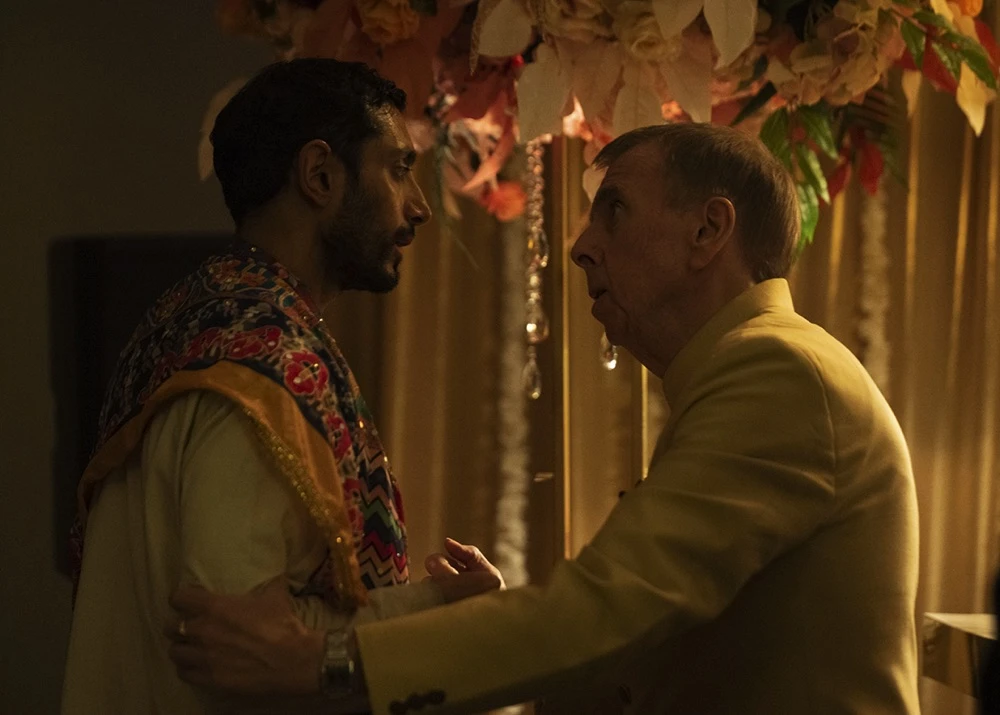
As the story progresses, it becomes clear that this subdued approach is intentional. Once the ghost of Hamlet’s father appears and exposes Claudius as his murderer, the character begins to harden into rage. By the time of Gertrude and Claudius’ wedding celebration, Hamlet erupts in raw fury. Still, the slow-burn strategy and Ahmed’s deliberately understated beginning sap the film of momentum. While he speaks Shakespeare’s verse with ease and intelligence, the performance ultimately places him among the long lineage of competent but not revelatory Hamlets.
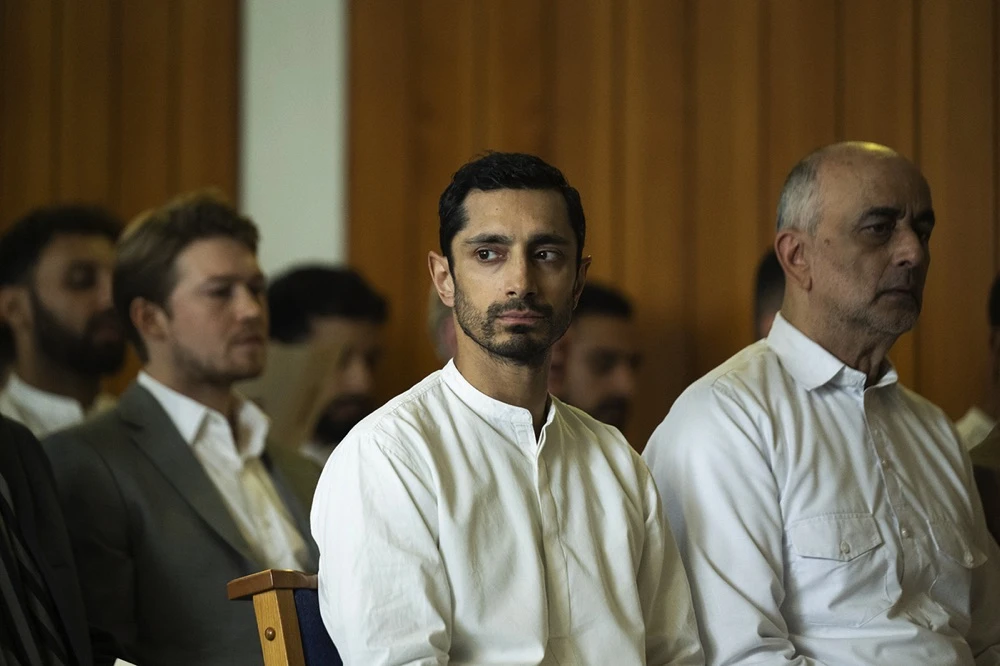
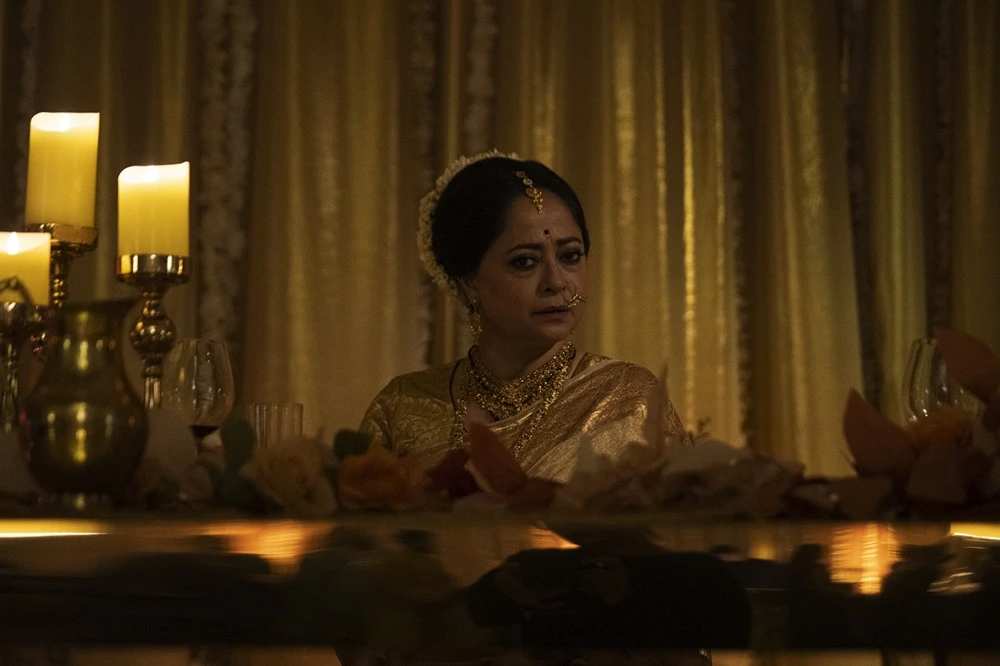
This adaptation centres Hamlet even more tightly than usual, and that focus comes at a cost. Most of the supporting characters barely make an impression. Art Malik is a notable exception, giving Claudius a convincing sheen of charm masking corruption. Sheeba Chadha also stands out, delivering genuine emotional weight when Gertrude confronts her own guilt. Beyond them, the cast fades into the margins. Timothy Spall’s Polonius is reduced to a perpetually scowling corporate fixer, stripped of his moralising wisdom. Joe Alwyn’s Laertes is largely invisible. Ophelia, meanwhile, is dramatically sidelined. Morfydd Clark has flashes of intensity, particularly during a confrontation at the wedding reception, but the character vanishes almost as quickly as she appears, reemerging only in death.
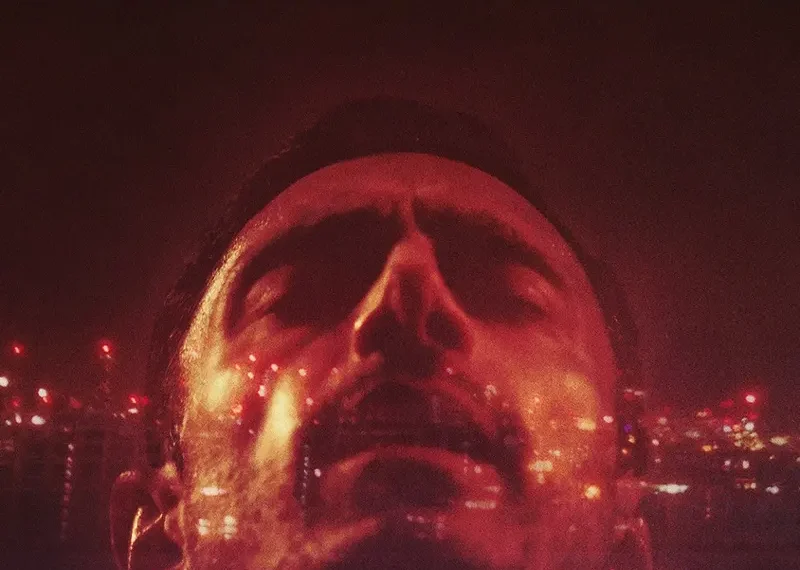
Visually, the film shows flashes of real cinematic imagination. The ghost’s appearance atop a high-rise, with London’s skyline glowing behind him, is haunting and compelling. The clean, sharply defined cinematography lends the story a sense of urgency and modern polish.
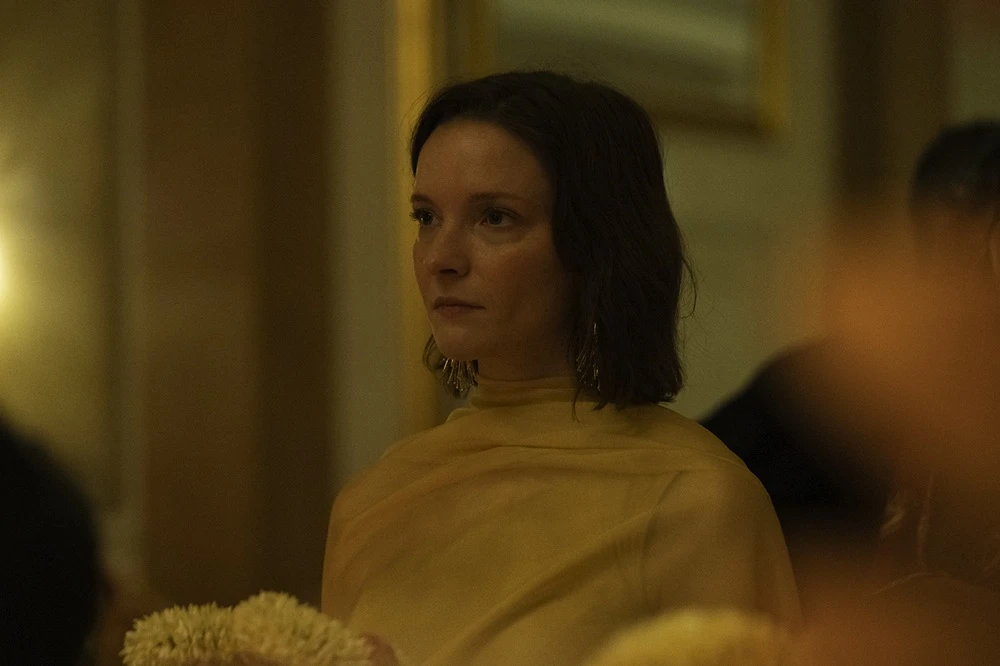
Yet too often, the film’s stylistic gambits overwhelm its substance. A nightclub sequence, in which Laertes drags Hamlet into a loud, drug-soaked environment to distract him from his grief, feels like a transparent attempt to inject energy. Even worse is the choice to stage “To be or not to be” during a reckless, high-speed drive, with Hamlet removing his hands from the steering wheel as a truck barrels toward him. The metaphor is painfully apparent, and the danger onscreen drowns out the language itself. Shakespeare’s words are reduced to background noise in the service of a visual stunt.
The screenplay, adapted by Michael Lesslie, trims characters and redistributes lines with mixed results. Some changes land smoothly, but others stand out awkwardly. Hamlet now delivers the famous “There are more things in heaven and earth…” line to Ophelia rather than Horatio, a shift that primarily works. More intrusive are the newly written lines woven into Shakespeare’s dialogue, particularly those referencing modern corporate structures. Even viewers unfamiliar with the play can sense when the language abruptly stops sounding like Shakespeare.
Karia previously collaborated with Ahmed on The Long Goodbye, a short film that earned them an Academy Award. That project fused political urgency with poetic expression to devastating effect, ending with Ahmed delivering a blistering spoken-word monologue. Given that track record, this Hamlet should have been an ideal showcase for their shared sensibilities. Instead, despite its ambition and moments of real insight, the film never fully coheres. Thoughtful and well-intentioned though it may be, this version of Hamlet ultimately feels uneven, its bold ideas undercut by clumsy execution.
Overall: 6/10

Movie Reviewer