Reviewed on 8th October 2025 at the 69th BFI London Film Festival
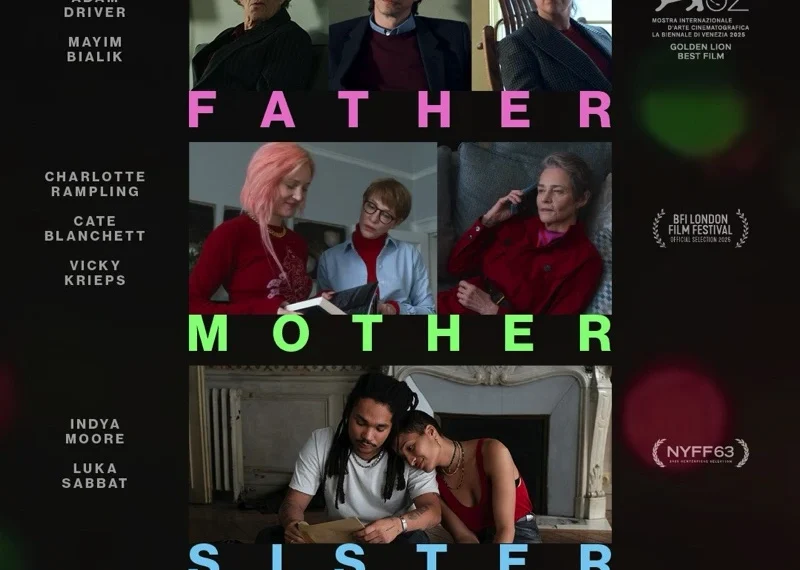
Cast: Tom Waits, Adam Driver, Mayim Bialik, Charlotte Rampling, Cate Blanchett, Vicky Krieps, Indya Moore and Luka Sabbat
Genre: Comedy, Drama
Director: Jim Jarmuch
In Irish Cinemas: Now
Jim Jarmusch’s Father, Mother, Sister, Brother unfolds as a quietly resonant triptych, each segment echoing the others in tone and theme while standing firmly on its own. The filmmaker, long associated with offbeat ensemble pieces like Mystery Train, Night on Earth, and Coffee and Cigarettes, returns to the multi-story format with a work that feels more intimate and emotionally attuned than ever before. What emerges is a tender, observant meditation on family ties, one that gently argues that even the deepest bonds of blood and upbringing cannot fully illuminate the people closest to us.
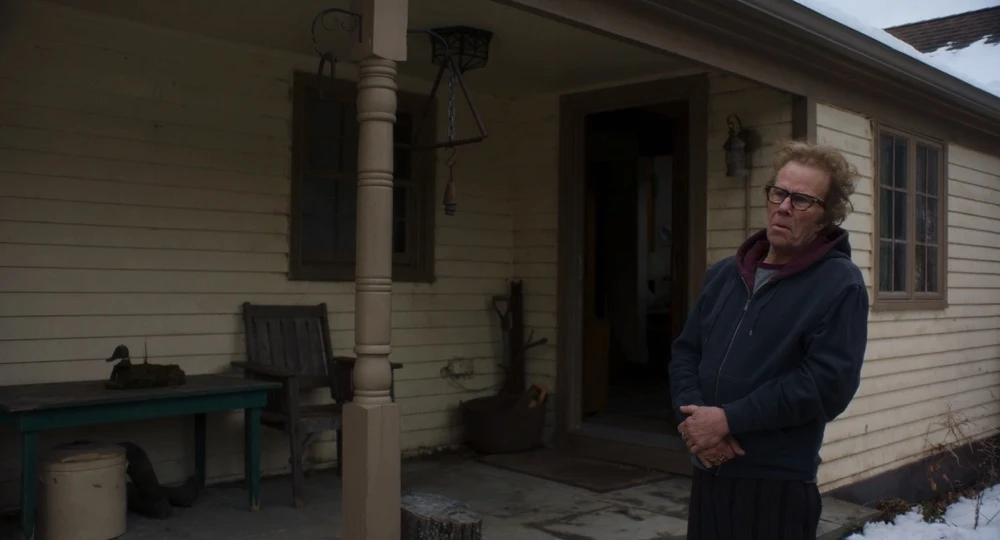
The opening chapter, “Father,” centres on siblings Jeff and Emily, played by Adam Driver and Mayim Bialik, who reunite to visit their estranged father, embodied with eccentric gravity by Tom Waits. The visit follows a prolonged absence triggered by a troubling incident at a family funeral, and the encounter is marked by halting conversation and carefully navigated silences. Rather than relying on exposition, the film allows fragments of dialogue and behaviour to hint at a dense, unspoken past. The result is a study in discomfort that feels authentic and lived-in, punctuated by a subtle narrative turn that quietly reframes what has come before.
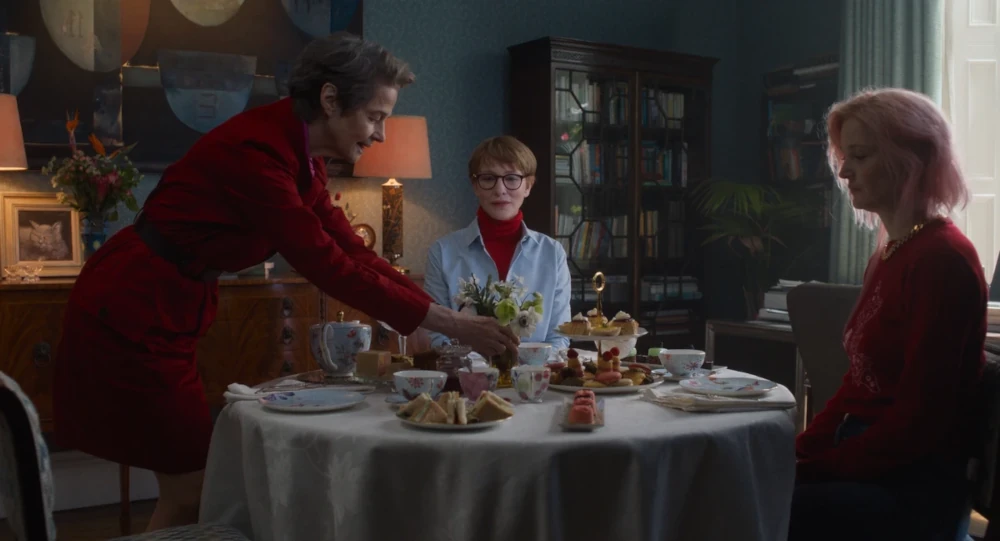
Shifted thousands of miles away to Dublin, “Mother” introduces a different familial dynamic. Here, Cate Blanchett portrays the composed and tightly wound Timothea, while Vicky Krieps brings a restless unpredictability to her sister Lilith. Both arrive separately at the home of their mother, a novelist played with cool precision by Charlotte Rampling. The occasion, an annual afternoon tea, becomes a stage for brittle politeness and veiled tensions. A meticulously arranged table, captured from above with almost clinical symmetry, sets the tone for a gathering where etiquette masks deeper undercurrents. Dialogue crackles with dry wit, but the film finds equal richness in fleeting gestures: shared laughter over melodramatic book titles, or the quiet choreography of ordering a car. Beneath the surface formality lies a bond that resists easy articulation.
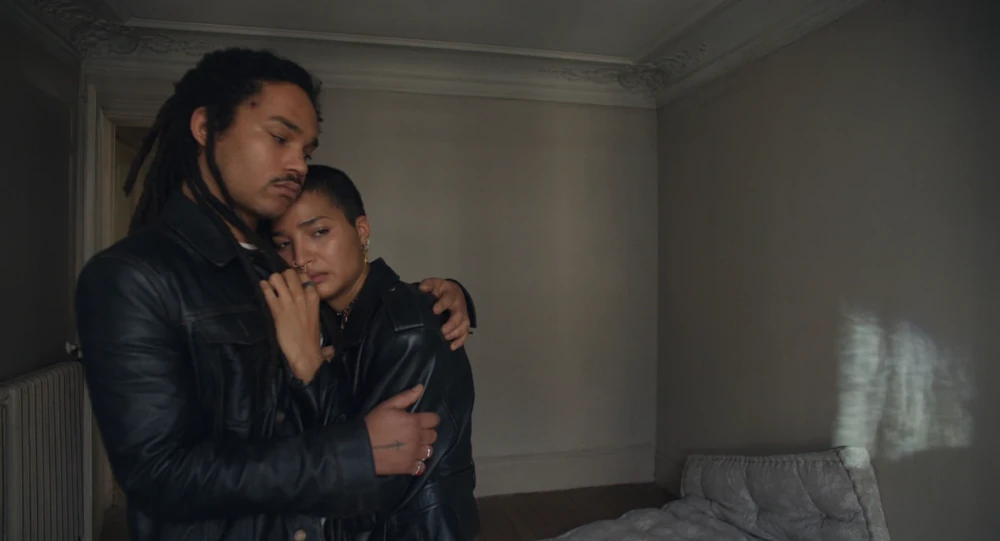
The final segment, “Sister Brother,” relocates to Paris and shifts focus to absence rather than confrontation. Twins Skye and Billy, played by Indya Moore and Luka Sabbat, return to their late parents’ apartment for a final visit. Without a parental figure present, the narrative takes on a more reflective tone, tracing memory through space, empty rooms, lingering objects, and the quiet weight of what remains unsaid. While it lacks the tension that animates the earlier chapters, it compensates with a subdued emotional clarity, suggesting that moments once endured may later be longed for.
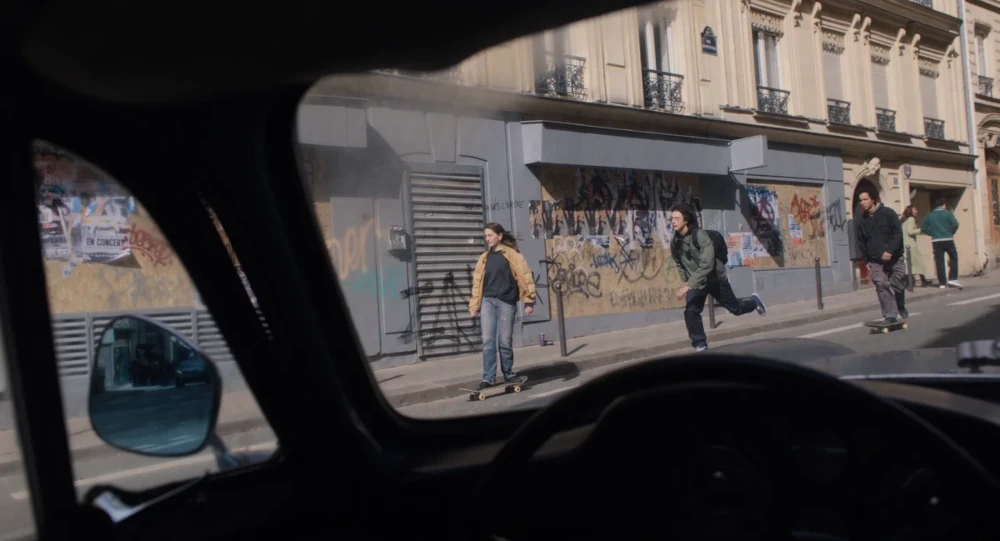
Across all three stories, performances are uniformly nuanced, supported by elegant, unhurried cinematography. Recurring visual and verbal motifs, slow-motion glimpses of skateboarders, the gleam of luxury watches, and variations on a familiar idiom create subtle connective tissue between the segments. These echoes do not function as clever puzzles but as gentle reminders of shared human experience, regardless of distance or circumstance.
Leaning more toward the warmth and observational grace of Paterson than toward the director’s earlier, more detached work, Father Mother Sister Brother offers a modest yet deeply felt exploration of family. Its scale may be small, but its emotional reach is expansive, grounded in a compassionate understanding of flawed, complicated people.
Overall: 6.5/10
Movie Reviewer