Developer: Nicolas Petton
Platform: PC (Reviewed), Switch, Switch 2, Xbox One, Xbox Series S/X
Genre: Action, Adventure, RPG
Publisher: Pineapple Works
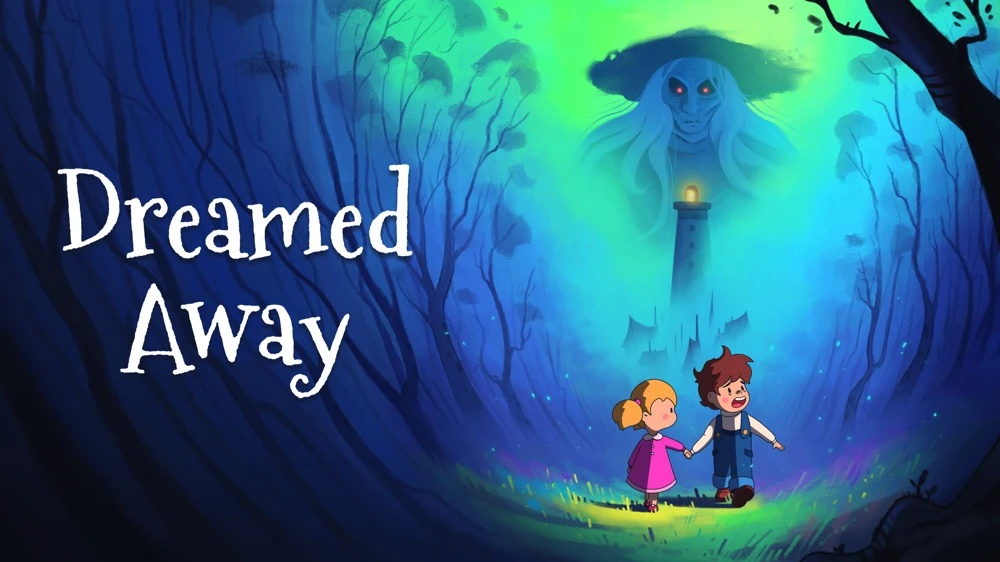
Dreamed Away is an emotional action-adventure RPG. This game is developed by Nicolas Petton and published by Pineapple Works. Dreamed Away takes inspiration from games such as Earthbound, Undertale and Omori. Dreamed Away is currently available for PC, Nintendo Switch, Switch 2, Steam and Xbox.
Dreamed Away is a game that takes place in France during the 1990s and follows Théo, a young boy who wakes up on a rainy summer night to find that his parents and his sister, Louis, have disappeared. What begins as a search through his house unravels as a haunting journey through eerie catacombs and ghost-filled corridors. The narrative unfolds across several chapters, each one pulling you deeper into a world that feels familiar yet distorted. It is a deeply emotional and personal story where you can tell the developer has poured his heart into every line of dialogue and action.

Petton, a solo developer, handled everything in the game from writing, art, programming and sound design, and the results are incredible. Dreamed Away is almost like reading into every bit of someone’s life with such heartwrenching moments. It is incredible the amount of work he put into developing such a wonderful game.
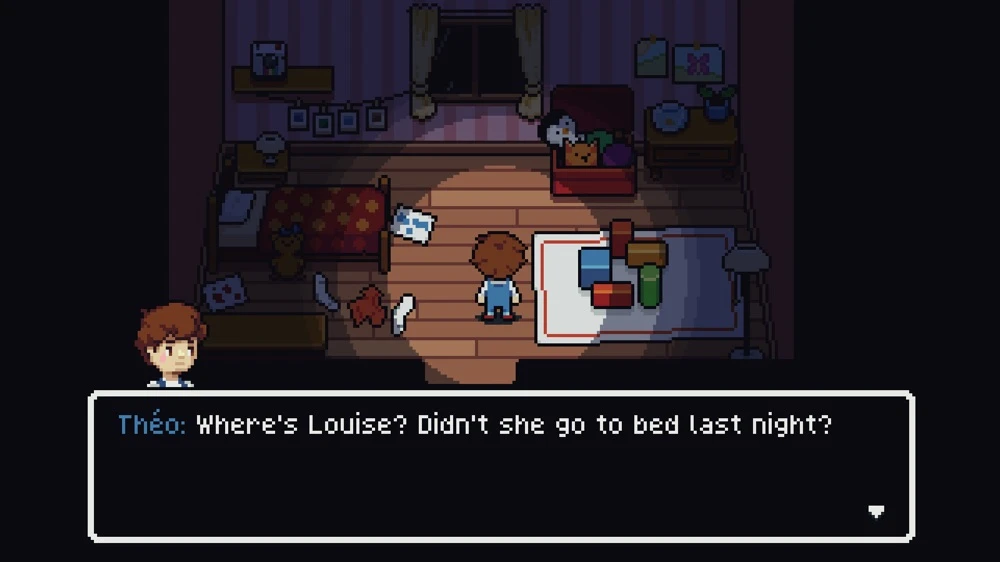
Dreamed Away does not overwhelm the player with complex mechanics or tutorials, but gradually introduces new mechanics in the form of a story. For instance, learning about the combat system is done by Louise wanting to throw water balloons at Théo, which I thought was very clever. Movement and interactions are simple and fluid, which makes exploring the environments so much more rewarding. You can talk to NPCs, search drawers and tables for useful items and uncover small environmental puzzles that add nice moments of discovery. Small discoveries like finding sweet candies hidden in cardboard boxes made exploration feel immersive and purposeful.
Dreamed Away also features difficulty modes, where you can experience the standard level, challenge yourself with the Nightmare mode or choose a less threatening mode. It is a smart way to cater to players who are either story-driven or wish to play through a more skill-based adventure.
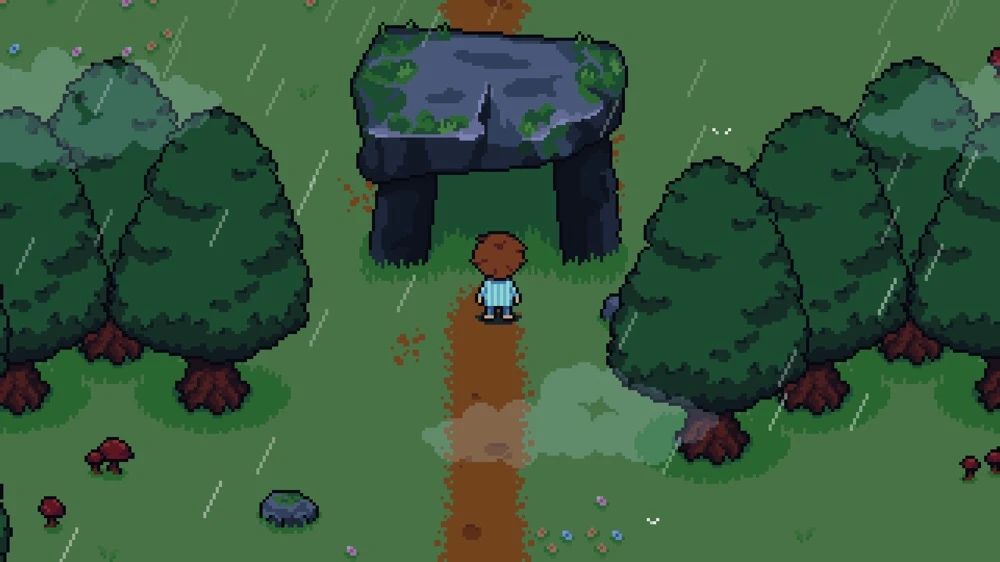
Dreamed Away is stunning. The pixel art is detailed and expressive, striking a perfect balance between subtle horror and cosy nostalgia. The world starts bright and comforting, but morphs into something unsettling, which is done seamlessly. Petton’s use of shadows, colour shifts, and lighting makes each scene so much more memorable. You will move from warm bedrooms to dim-lit corridors where ghosts will observe you in the dark. The attention to small details is incredible, like how Theo’s reflection in the bathroom mirror only shows the top of his head because he is too short, or the way childlike sketches appear in certain scenes to make you feel uneasy. The transition between the two parallel environments is worth mentioning again.

To say the least, the visuals go hand-in-hand with the soundtrack. From light, airy melodies when Théo and Louis play chess together to haunting ambient sounds echoing through the catacombs. The music shifts fluidly between comforting and chilling, helping the player feel exactly how Théo feels. Even the sound effects come together from the eerie monster cackles, the clicky typewriter-style dialogue sounds and the subtle rain outside, creating an immersive experience.
Dreamed Away is a story about loss, fear and the strange spaces between reality and dreams. The world is filled with secrets for you to uncover, and exploration is thoroughly encouraged. Players can also look forward to multiple endings, adding replay value and encouraging different choices through the story. In several parts of the game, you will find yourself wondering what will happen next and what the deeper meaning of everything is.
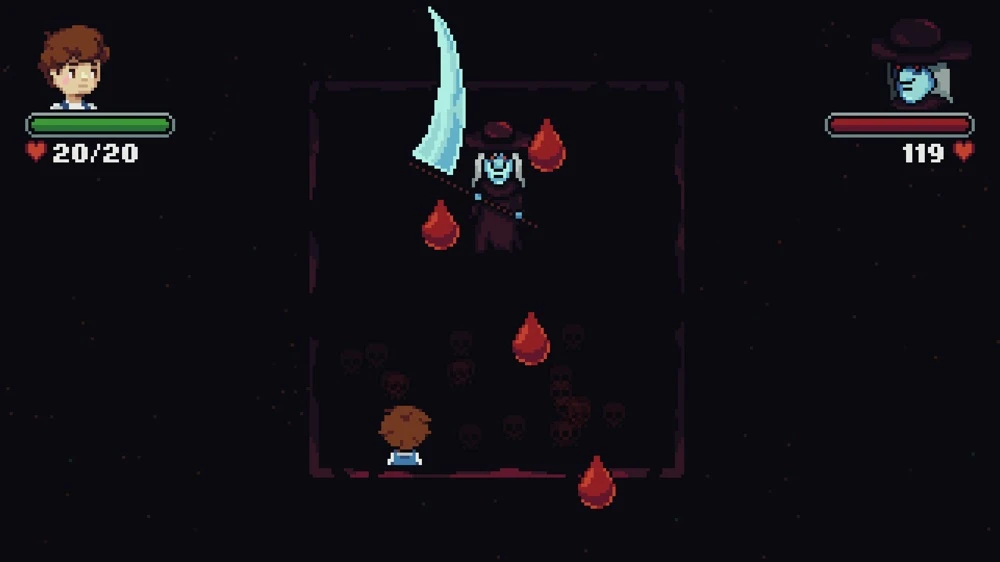
Combat makes up for a lot of what Dreamed Away’s gameplay is about. It blends skill-based gameplay with mini-game elements similar to how combat works in Deltarune and Undertale. Battles take place inside a small box where Théo and the enemy stand. Attacking involves timing your strike along a bar: hit the red zone for more damage, and if you land perfectly in the yellow middle bar, you can chain a combo and strike again. The combat is all about precision and rhythm. When it is the enemy’s turn, you will dodge their attacks in real-time. Each enemy has a unique attack pattern. Some will throw directional arrows at you that you need to hit correctly, while others will downfall ghosts or blood drops at Théo’s character.
Combat is rewarding as you can level up. Defeating enemies boosts Théo’s stats, such as special abilities, luck and health, which will help you in tougher battles. I will say that I did not like how some of the monsters would chase you down from so far away, even though you were not close to them. Sometimes I preferred not encountering combat, but it was almost inevitable.
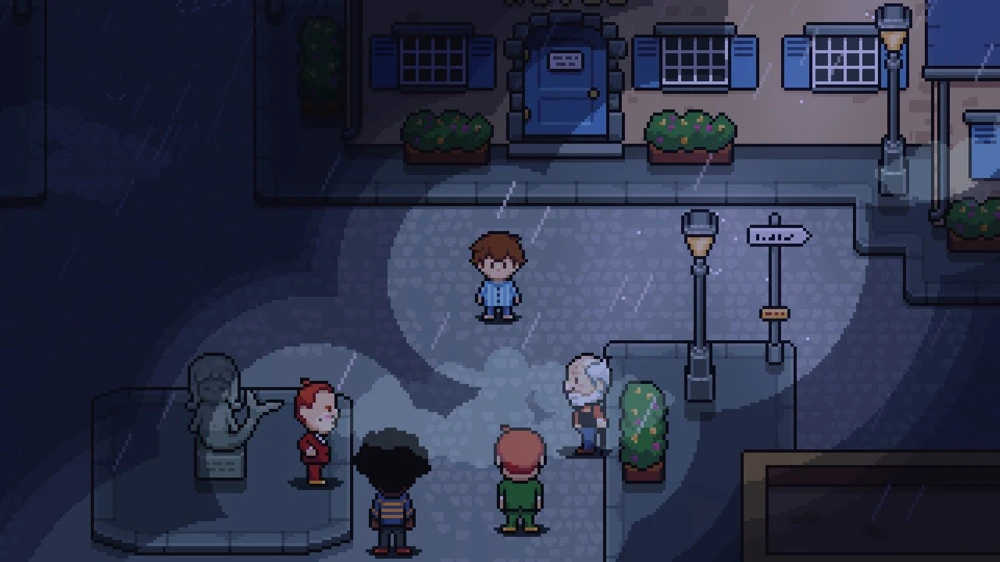
Playing Dreamed Away was genuinely a moving experience, as it delves into human emotion and unfolds a story like no other. The flow between combat, story and exploration was effortlessly encouraging players to immerse themselves into the game. I was more drawn by the atmosphere in Dreamed Away, where these childhood moments Theo experienced started to unravel as something more dreadful. The story itself took so many twists and turns that I had not expected. Dreamed Away definitely is one of the indie experiences that deserves mention, as it is so thoughtfully played out.
If you’re looking for a game that blends heartfelt storytelling with haunting atmosphere and nostalgic pixel charm, Dreamed Away is an experience that you would not want to miss. It has stunning 16-bit visuals, expressive animations, a beautifully composed soundtrack and a story that balances fear and comfort, completely pulling in the player. Step into Théo’s shoes, uncover mysteries that blur the line between reality and dreams. Be sure to check out Dreamed Away!
Overall: 9/10

This is S & S. We are world game explorers. We play games. We have played over 10,000+ games! We travel, we write reviews AND we play more games!!!!