Reviewed on 27th February 2025 at the 2025 Sundance Film Festival
Cast: Arif Jakup, Agush Agushev, Dora Akan Zlatanova
Genre: Comedy, Drama
Director: Georgi M. Unkovski
In Irish Cinemas: 27th March 2026
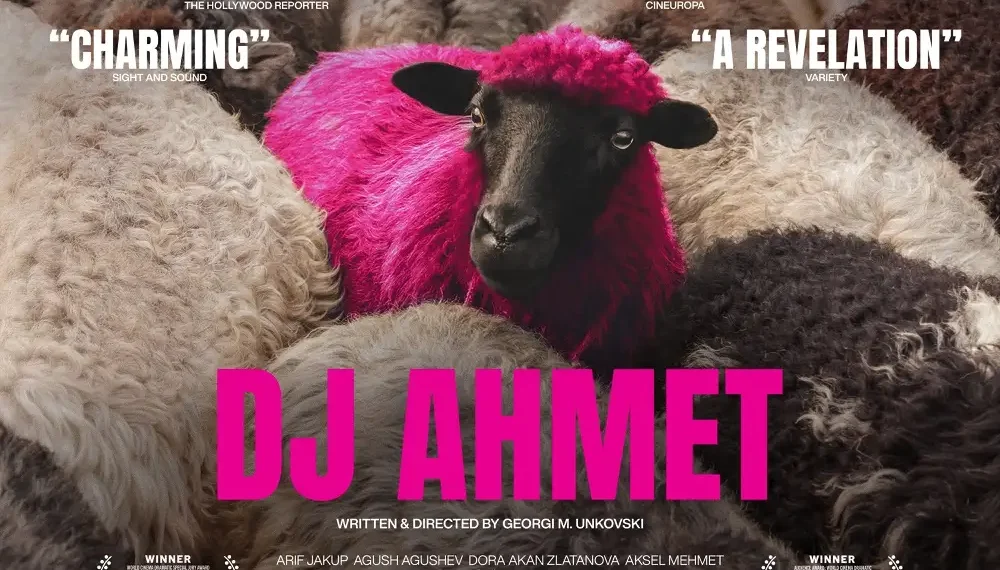
Imagine a story where rebellion doesn’t arrive in leather jackets or city streets, but slips quietly into a remote mountain village carried on the pulse of electronic beats. That’s the spirit animating DJ Ahmet, the debut feature from writer-director Georgi M. Unkovski, a film that blends coming-of-age warmth with a gentle challenge to tradition.
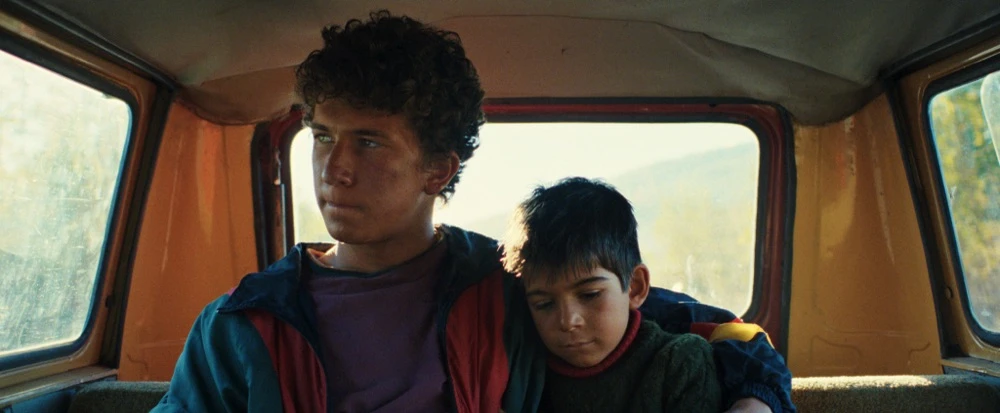
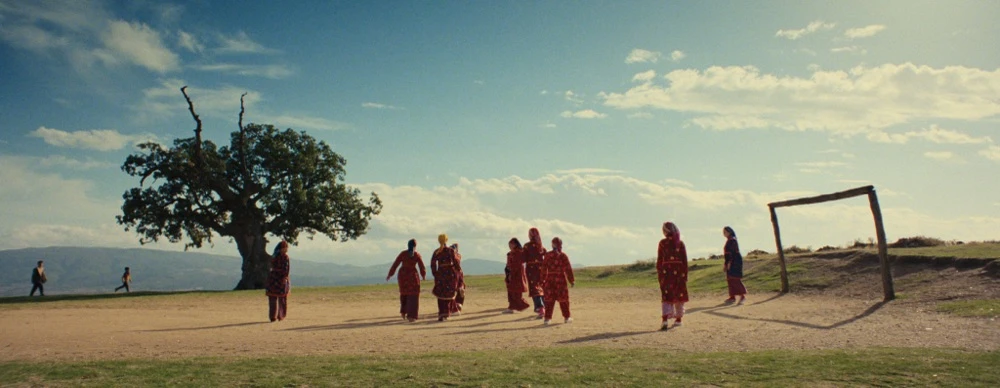
Set within a secluded Yuruk farming community in North Macedonia, the film centres on Ahmet, a teenage shepherd whose life is dictated by routine, religion, and his father’s heavy hand. School is quickly replaced by labour, and his days are reduced to tending sheep under a watchful patriarch who has little tolerance for distraction or defiance. At home, grief lingers: his younger brother has retreated into silence since their mother’s death, and their father’s stern authority feels as much about loss as it does control.
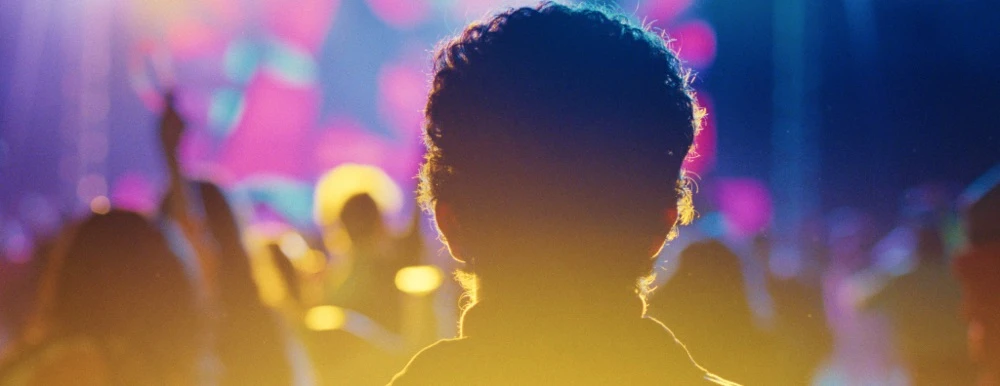
Against this rigid backdrop, Ahmet stumbles into something transformative. Drawn one night by curiosity and perhaps something deeper, he follows a neighbour to an underground rave hidden far from the village’s prying eyes. There, surrounded by flashing lights and pounding music, he discovers a freedom he’s never known. In one of the film’s most striking images, even his flock trails him into this unlikely sanctuary, collapsing the boundary between his imposed life and his inner world.
From that moment on, music becomes more than an escape; it’s a lifeline. It allows Ahmet to endure the pressures at home and opens a connection with Aya, a girl equally desperate to break free from expectations, including an arranged future she never chose. Their shared longing gives the film its emotional core, even as their path forward feels shaped by forces larger than themselves.
Unkovski handles these themes with a light touch. The film nods to the constraints of tradition and religious conservatism without caricature, instead finding humour and humanity in the contradictions of modern village life, where smartphones and Bluetooth speakers coexist with centuries-old customs. A recurring joke involving a malfunctioning call to prayer subtly evolves into something more meaningful by the final act, reflecting the film’s ability to weave levity into its deeper concerns.
Visually, DJ Ahmet avoids the bleak austerity often associated with rural Balkan settings. Cinematographer Naum Doksevski opts for warm, glowing tones that lend the landscape a sense of nostalgia and possibility. When the music takes over, the film shifts gears: slow-motion, fluid camera movements, and bursts of energy give the dance scenes an almost dreamlike quality, sharply contrasting with the stillness of daily life.
The largely non-professional cast adds to the film’s authenticity. Arif Jakup, in the title role, brings a quiet charm to Ahmet, portraying him as both grounded and quietly defiant. Beneath his sunburnt, work-worn exterior is a teenager inching toward self-discovery, even if he doesn’t yet have the language for it. He may not be a DJ in any technical sense, but he understands something more instinctive: the power of rhythm to carry you somewhere else.
While the narrative follows a familiar trajectory, its sincerity and texture keep it engaging. DJ Ahmet doesn’t reinvent the coming-of-age story, but it does relocate it in a setting rarely explored with such affection, where rebellion hums softly, in sync with a beat only a few are brave enough to follow.
Overall: 6.5/10