
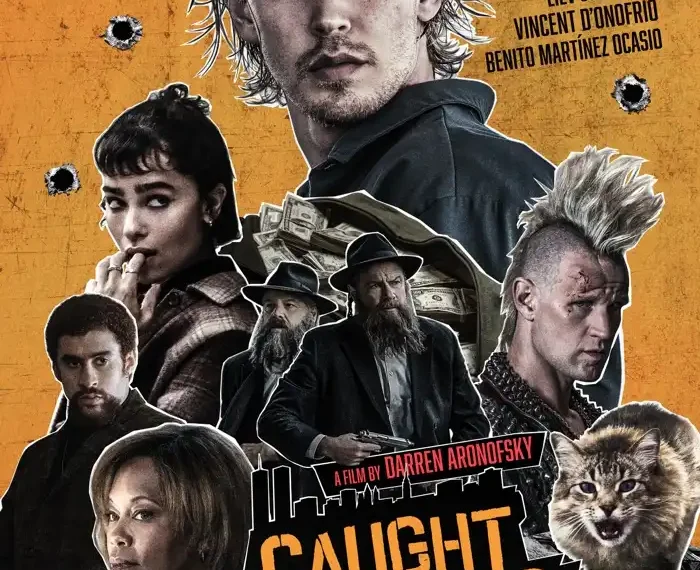
Cast: Austin Butler, Regina King, Zoë Kravitz, Matt Smith, Liev Schreiber, Vincent D’Onofrio, Griffin Dunne, Benito A Martínez Ocasio, and Carol Kane.
Genre: Comedy, Crime, Thriller
Director: Darren Aronofsky
In Irish Cinemas: Now
Darren Aronofsky’s new crime comedy Caught Stealing plants itself in 1998 New York City—a version of the city that feels deliberately stained with grit: grimy subway platforms, claustrophobic Chinatown walk-ups, greasy diners lit by buzzing neon. The choice of year is a subtle but telling departure from the source novel, which unfolds in 2000. Aronofsky’s adjustment seems less about narrative necessity and more about personal resonance: 1998 was the year of Pi, his scrappy, paranoid debut about a mathematician searching for divine order in the chaos of numbers. That film’s lo-fi aesthetic and fever-dream vision of a crumbling cityscape announced a director obsessed with beauty hiding in the squalor. Caught Stealing, by returning to that moment in time, appears almost like Aronofsky’s attempt to revisit his creative birthplace.
There’s a certain fevered nostalgia baked into the film’s atmosphere, a throwback to the unvarnished chaos of Aronofsky’s earliest work. Yet the story itself largely avoids period detail—aside from an amusing, cruelly timed glimpse of the New York Mets’ notorious playoff collapse, blaring from a bar television. Instead, the film relies on timeless noir mechanics: mistaken identity, criminals closing in from every angle, and a hapless everyman at the centre of it all. Austin Butler plays Hank Thompson, a washed-up ex-ballplayer turned bartender, pursued by nearly every thug, cop, and lowlife in Manhattan, though he himself has little understanding of why.
Radical shifts in genre and tone have always marked Aronofsky’s career: the relentless despair of Requiem for a Dream, the biblical bombast of Noah, and the claustrophobic chamber drama of The Whale and Caught Stealing position themselves as something different again: a darkly comic, pulpy thriller that toys with noir tropes. However, the gamble reveals Aronofsky’s greatest weakness—his prioritisation of mood and style over character and stakes.
The film certainly looks the part. Few working directors are as skilled at summoning bygone New Yorks, and Aronofsky renders late-’90s Lower Manhattan as a grimy playground of derelict bars, crumbling tenements, and sticky-floored nightspots. He even indulges in a bit of city-specific nostalgia with a lovingly framed black-and-white cookie. Yet the action that unfolds in these settings feels thin, often unworthy of its evocative backdrop.
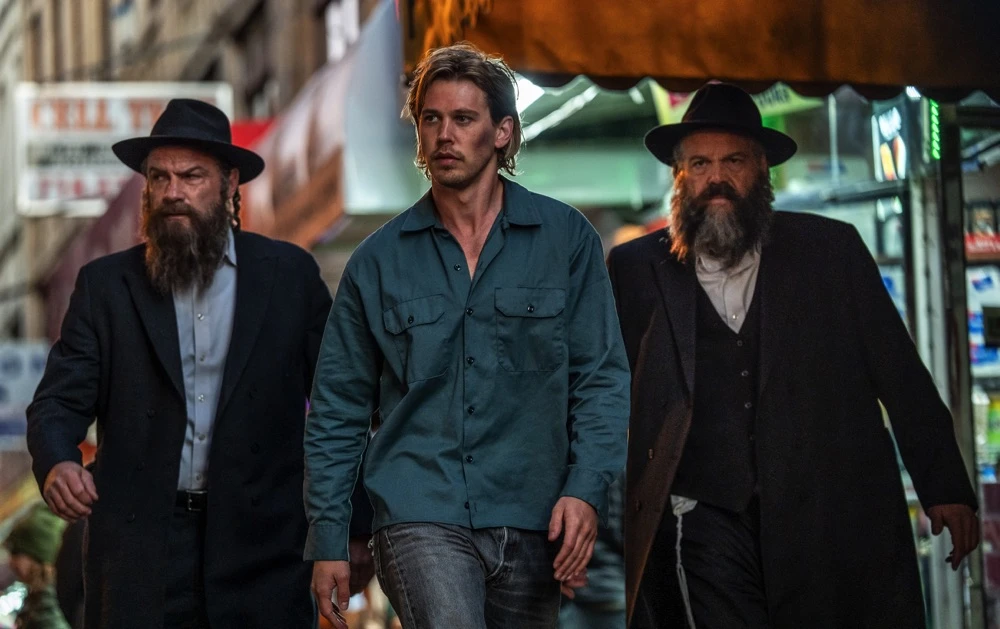
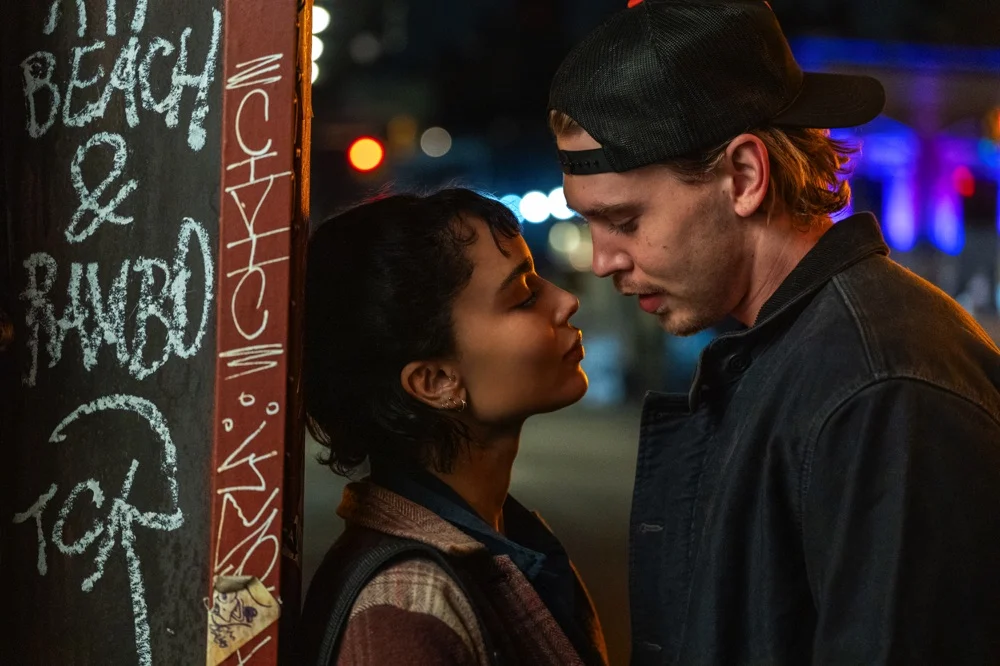
Butler’s Hank is meant to be a man ruined—once destined for baseball stardom with the San Francisco Giants, a car crash shattered his future. Now, he’s supposedly drowning himself in booze and bad decisions, clinging to the affection of his girlfriend Yvonne (Zoë Kravitz) and partying away the pain. But Butler, with his movie-star charisma and golden-boy charm, never convincingly embodies a man circling the drain. When Hank stumbles into a drug dealer’s mess and finds himself facing beatings, threats, and sudden violence, his reaction is closer to mild irritation than genuine terror.
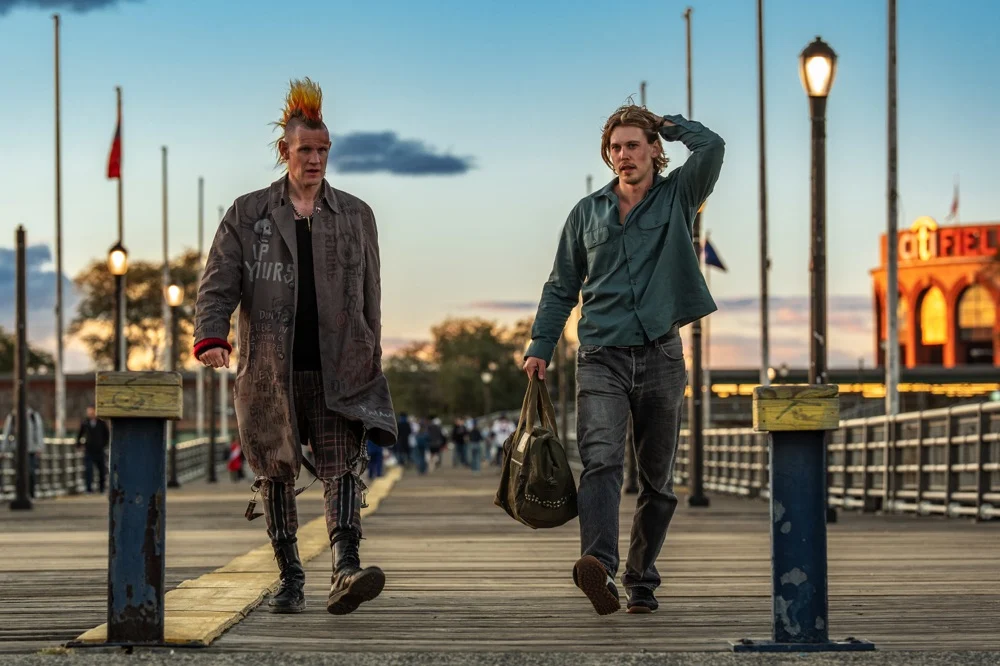
The chaos begins with Russ (Matt Smith), Hank’s anarchic punk neighbour, who conscripts him into cat-sitting while he takes off for London. What seems like a small favour becomes a spiralling nightmare, as everyone from Russian mobsters to two gun-wielding Hasidim (played with relish by Vincent D’Onofrio and Liev Schreiber), a steely NYPD detective (Regina King), and a swaggering gangster called Colorado (Bad Bunny) comes sniffing around for a mysterious key. These characters arrive with big entrances and familiar faces, but few rise above broad caricature.
Aronofsky, a cinephile at heart, sprinkles in casting choices that wink at Manhattan’s cinematic history. Carol Kane, legendary for her role in Hester Street, appears briefly, while Griffin Dunne—forever linked to Scorsese’s After Hours—steps in for a supporting turn. These cameos are clever gestures, but they also remind the viewer of better, sharper New York crime stories. Scorsese looms especially large, and invoking him feels like tempting fate: films like King of New York, New Jack City, and even the Safdie brothers’ Good Time have shown how to inject genuine pathos and urgency into tales of urban desperation. By comparison, Caught Stealing feels more like a rough sketch, content to coast on aesthetics rather than plumbing emotional depths.
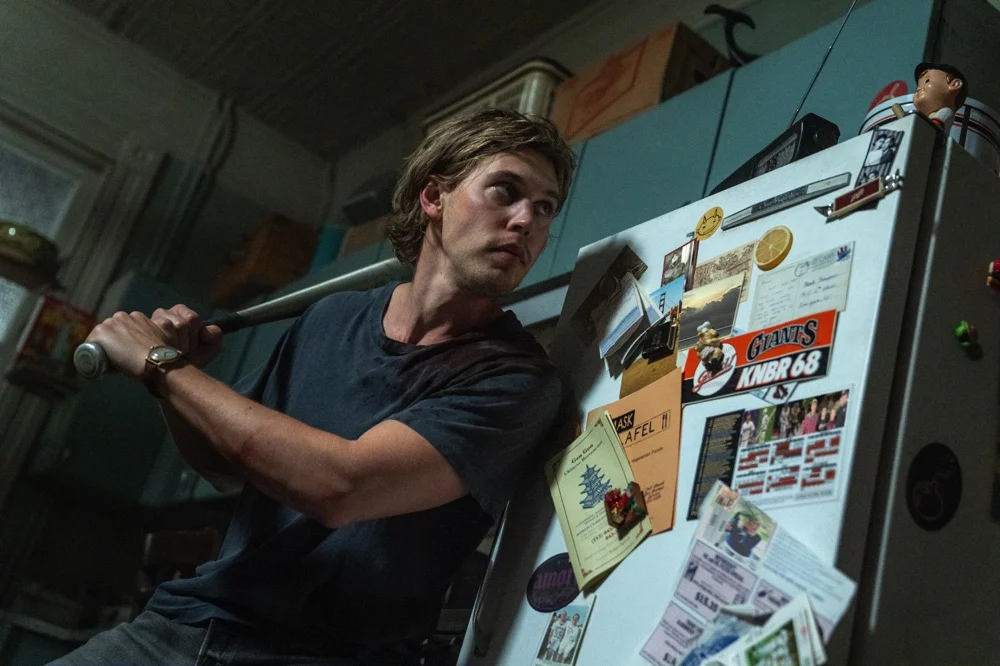
Even the film’s central conceit falters. Early on, Hank suffers a brutal beating that leaves him with damaged kidneys—making alcohol a life-threatening risk. Yet every time he raises another beer to his lips, Aronofsky fails to wring tension from the moment. Butler’s good looks and composure leave him impervious, a character who feels strangely insulated from the danger surrounding him.
What does this say about Aronofsky’s trajectory? Caught Stealing is more playful than the lugubrious, ponderous The Whale, and undeniably more entertaining. However, both films suggest a director increasingly preoccupied with surfaces. In The Whale, the protagonist’s body becomes a visual experiment in framing and confinement; here, 1998 Manhattan serves as a stylish sandbox for bloody slapstick. Aronofsky remains a master of visual control, but the emotional and narrative core that once powered his best work seems increasingly absent.
In the end, Caught Stealing resembles the kind of mid-tier crime flick you might have grabbed from Blockbuster’s shelves in the late ’90s: slick packaging, an eye-catching cast, a few memorable set pieces—but little staying power. Aronofsky proves he can still build a world. What’s missing is the danger, the heartbreak, and the pulse that once made his films unforgettable.
Overall: 7/10

Movie Reviewer