Cast: Nina Kiri, Adam DiMarco, Michèle Duquet, Keana Lyn Bastidas
Genre: Horror, Sci-Fi, Thriller
Director: Ian Tuason
In Irish Cinemas: Now
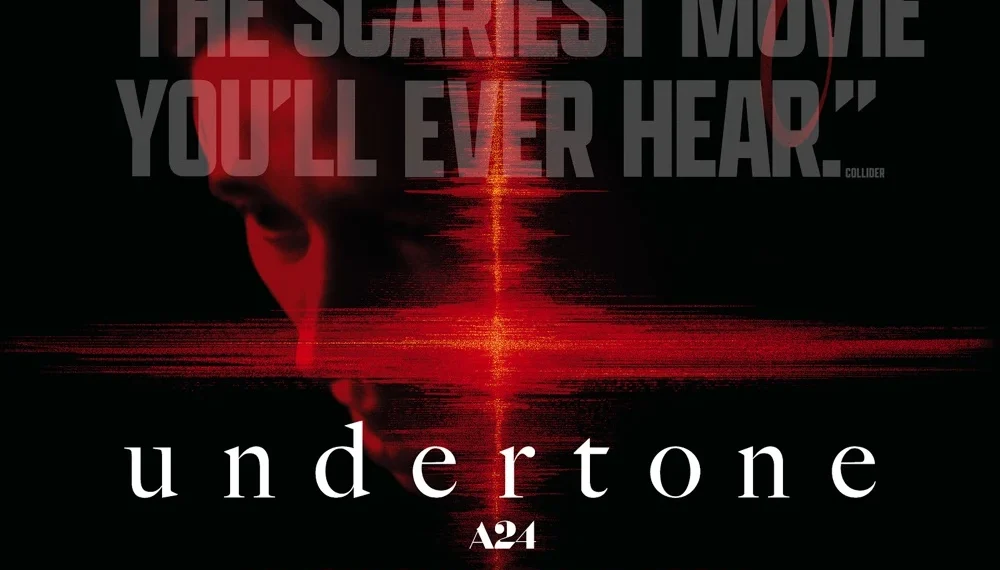
Evy, portrayed by Nina Kiri, produces a supernatural-themed podcast alongside her collaborator, Justin (Adam DiMarco), while also tending to her terminally ill, unresponsive mother (Michèle Duquet). Their show takes a disturbing turn when a series of cryptic audio files arrives without explanation. What begins as intriguing content quickly escalates into something far more sinister, as the eerie material seeps beyond the podcast and into the physical space of Evy’s home.
The film operates as an unexpectedly sharp critique of digital-age obsession, framing podcasting itself as a conduit for unease. Though it draws from familiar horror staples, haunted domestic spaces, malevolent entities, unnerving nursery rhymes, and sudden shocks, it reshapes these elements through its distinctive use of sound. The result is a work that feels both recognisable and strikingly original, delivering a sensory experience that lingers long after it ends.
This debut feature from writer-director Ian Tuason is deeply personal in origin. Inspired in part by his own experiences caring for dying parents, the production took an intense approach by using his childhood home in Toronto as the sole filming location. That decision infuses the setting with a palpable authenticity. The house itself becomes a character: cramped, suffocating, and steeped in religious iconography. Shelves crowded with Catholic artefacts and looming statues, particularly an ever-watchful Virgin Mary, create an atmosphere of quiet but persistent dread.
Within this confined environment, Evy navigates the emotional and physical strain of caregiving. Her mother remains bedridden and silent, a constant presence that amplifies the isolation. Meanwhile, the podcast continues remotely, with Justin existing only as a voice on the other end of the line. The time difference between them forces recording sessions into the early hours of the morning, placing Evy squarely in the unsettling stillness of 3 a.m., a time long associated with supernatural disturbance.
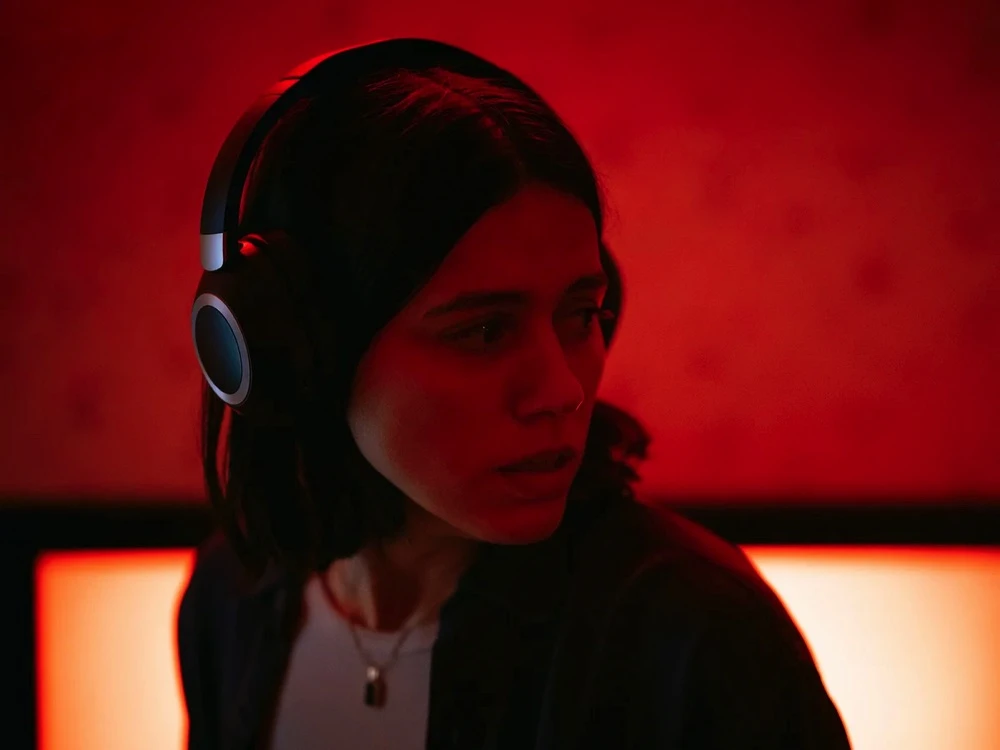
Originally conceived as a found-footage-style audio drama, the film retains that DNA through its meticulous sound design. Audio is not simply an accompaniment but the primary storytelling device. When Evy dons her high-end headphones, the audience is drawn into the same immersive, noise-isolated soundscape. Every whisper, distortion, and silence becomes heightened. As the recordings grow increasingly disturbing, featuring fragments tied to a cursed couple and callers whose voices carry something deeply wrong, the auditory experience becomes almost overwhelming. At the same time, the absence of sound plays an equally crucial role. The isolation created by the headphones leaves gaps filled only by imagination, while the camera lingers on shadowy corners and uneasy compositions, suggesting threats just out of reach.
From a technical standpoint, the film excels in precision and restraint. The soundscape is finely tuned, and the performances, particularly Nina Kiri’s, anchor the story with emotional depth. Carrying much of the film alone on screen, her portrayal captures a layered mix of devotion, resentment, exhaustion, and fear. The narrative also leans into themes often associated with contemporary elevated horror, particularly the weight of familial trauma. However, it distinguishes itself through a strong undercurrent of Catholic guilt. Evy’s upbringing within a strict religious framework shapes her internal conflict, complicating her relationship with her mother and her own past. References to reproductive choices add further tension, especially when intertwined with the presence of a demonic figure rooted in myth.
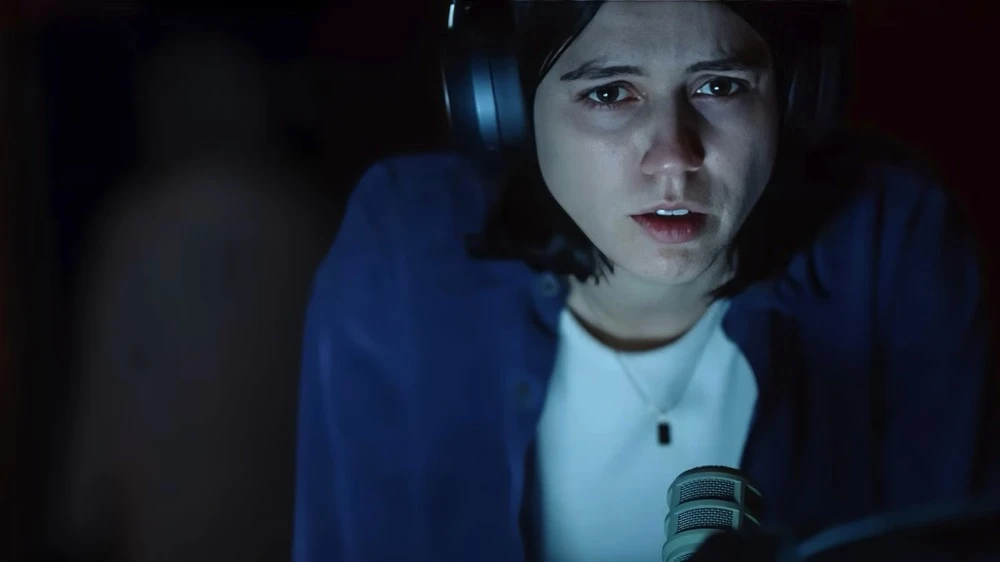
While the narrative explores territory that may feel familiar, its execution remains distinctive. The film resists offering clear answers, instead embracing ambiguity and leaving key elements unresolved. This commitment to uncertainty reinforces the pervasive sense of unease established from the outset. Fear here is not just visual or narrative; it is deeply auditory. The experience transforms ordinary sounds into sources of dread, proving that what is heard can be far more unsettling than what is seen.
Ultimately, the film stands as both a chilling horror piece and a meditation on guilt, grief, and isolation. Its reliance on sound as a primary vehicle for terror sets it apart, creating an experience that is as psychologically invasive as it is frightening.
Overall: 7/10
Movie Reviewer