Cast: Dafne Keen, Sophie Nélisse, Percy Hynes White, Nick Frost
Genre: Horror
Director: Corin Hardy
In Irish Cinemas: 13th February 2026
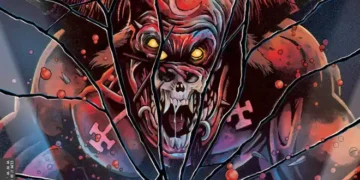
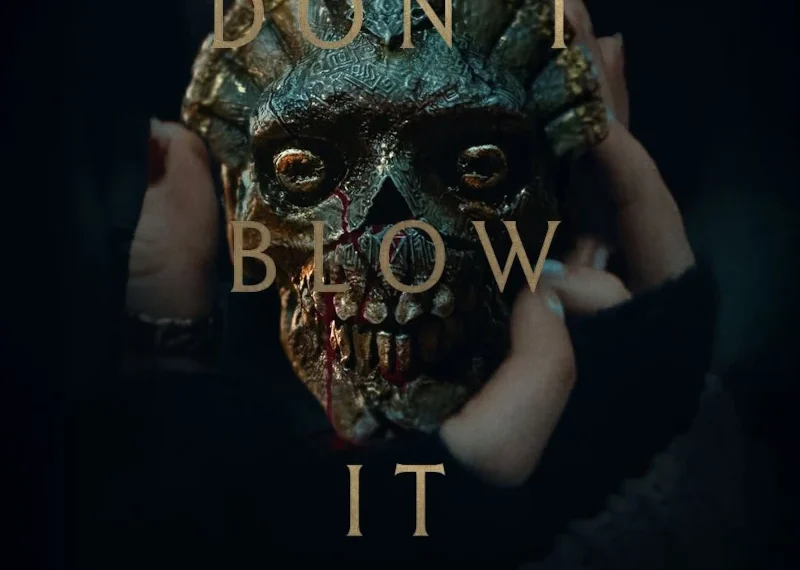
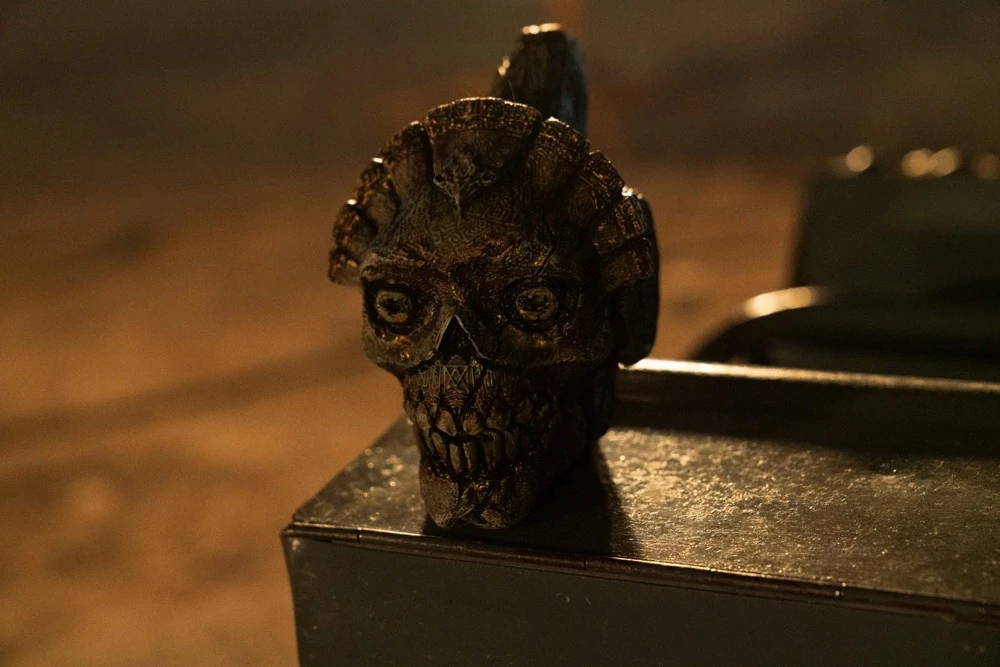
A ragtag bunch of secondary-school students accidentally unleash something far older and far more vicious than they can comprehend: an Aztec Death Whistle. Once blown, the shrill, inhuman screech doesn’t just signal danger — it invites their own future deaths to come calling, stalking them one by one with brutal intent.
There’s a familiar rhythm to horror cinema, and cursed objects have been keeping it steady for decades. Originality has long taken a back seat to execution, and that’s not necessarily a sin, but it does mean certain films arrive already feeling worn in. Whistle lands firmly in that territory. Teenagers discover a spooky artefact, bad things happen, and the body count rises. It’s the same well-trodden path carved by films like Tarot and Wish Upon, and unfortunately, this one rarely strays from it.
One of the film’s strangest missteps is the complete lack of incentive attached to the whistle itself. Traditionally, cursed items offer some form of temptation, power, knowledge, wish fulfilment, something that makes the risk seem worth it. Here, there’s nothing. The whistle looks unpleasant, emits a sound straight out of a nightmare, and offers zero reward. Yet characters persist in using it anyway, repeatedly, without logic or curiosity. The decision-making is baffling, undercutting any tension the premise might generate. A romantic subplot unfolding amid the carnage only further dilutes any sense of urgency or dread.
That’s a shame, because the central idea of a manifestation of one’s eventual death has genuine potential. There’s a clear nod to Final Destination in the elaborate, sometimes outrageous kill sequences, though Whistle leans far more heavily into the supernatural. These are ghostly visitations, not freak accidents, and they dispatch their victims with ferocity rather than irony. Peaceful deaths need not apply, thankfully, as that would have made for a very short and very dull film.
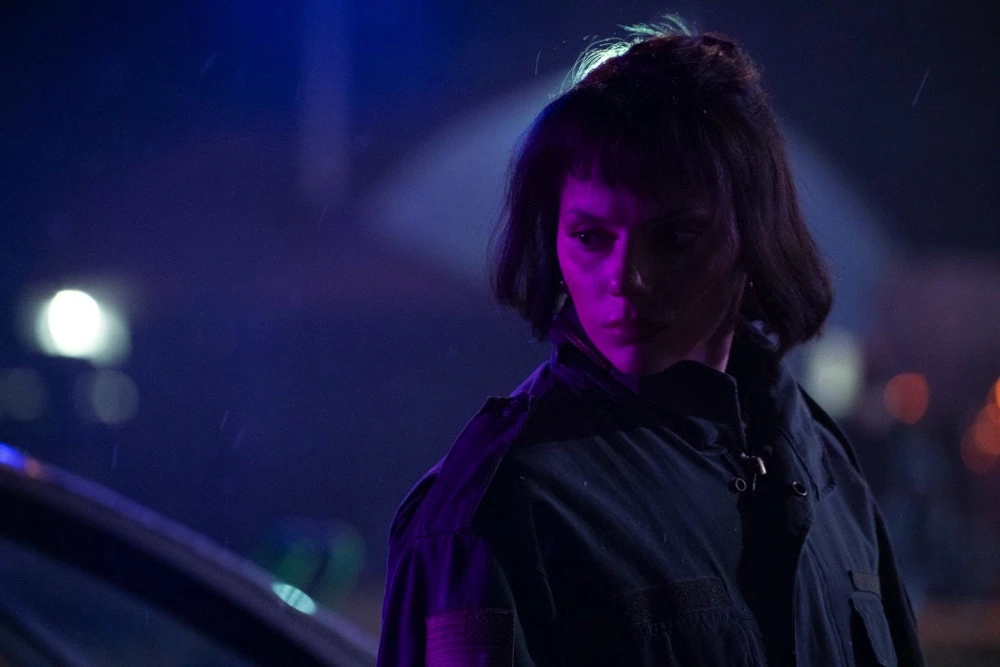
Characterisation, however, is where things truly fall apart. The cast feels ripped straight from a bargain-bin 90s teen movie: the outsider, the cousin with issues, interchangeable bullies, and popular kids with convenient moral depth. Several characters occupy the same narrative space, making it difficult to distinguish one from another, let alone care when they’re inevitably picked off. Dialogue rarely sounds authentic, often veering into unintentionally comic territory. Listening to these teenagers converse becomes a test of patience.
Strong performers like Dafne Keen and Sophie Nélisse are left stranded by thin writing. Their romantic arc is rushed and oddly weightless, lacking any real chemistry. Credit is due for presenting a same-sex relationship without spectacle or tokenism, but representation alone can’t compensate for the absence of emotional connection. Nick Frost pops up briefly as a walking exposition machine, serving little purpose beyond explaining the plot and meeting an early end. Serious tension is hard to maintain when characters are named Horse, and the script expects that name to be shouted in mortal terror.
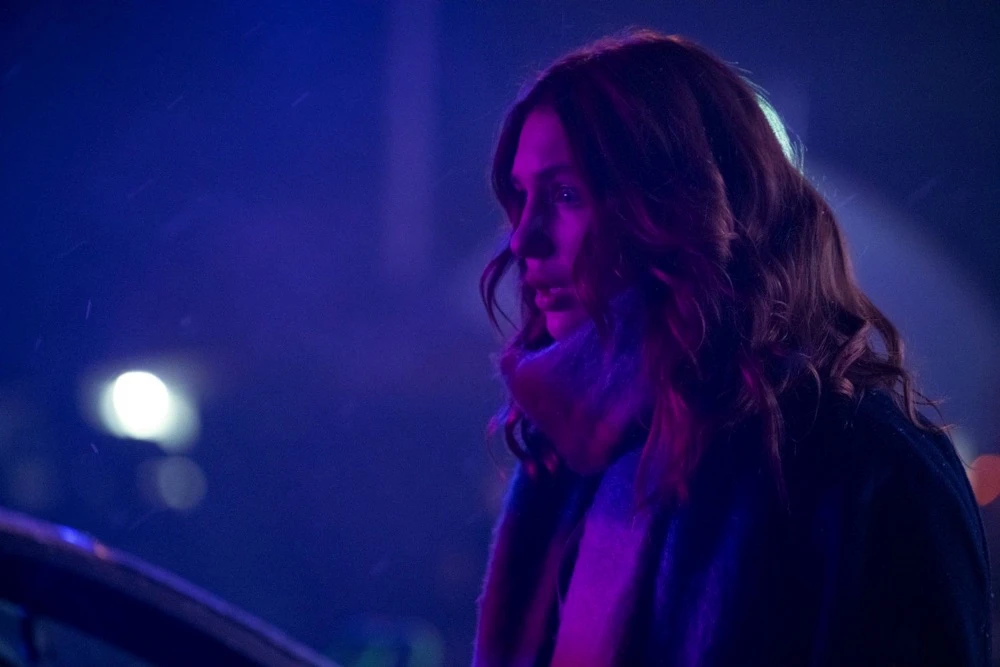
The most grating presence belongs to Percy Hynes White’s Noah Haggerty, a church youth leader who also happens to be a drug dealer, a contradiction that might have been interesting if handled with any subtlety. Instead, the character is presented as cartoonishly villainous from the outset. His role feels engineered solely to tidy up moral loose ends by the finale, absolving others through sheer comparative evil. Like much of the cast, he exists as a plot device rather than a believable human being.
Not everything misfires. Visually, the film occasionally impresses. The Spiral maze stands out as an eerie and striking set piece, and director Corin Hardy shows flashes of a distinctive eye. Some of the later death scenes are impressively vicious, particularly those involving vehicles and heavy machinery, which are staged with real impact. With more focus on these strengths and a clearer set of rules governing the whistle, the film might have found firmer footing. Instead, the mythology is wildly inconsistent. Some characters are dispatched within minutes, others linger for days, with no discernible logic or pattern. Any attempt at internal reasoning quickly collapses.
Easter eggs referencing horror royalty from Muschietti Cigars to a knowing nod toward Wes Craven only reinforce the sense that this is a throwback in the least flattering way. These winks feel dated rather than celebratory, adding to the impression of a film that would have been dumped onto a streaming platform sometime in the mid-2010s and promptly forgotten.
Aside from a handful of memorable visuals and a couple of solid kills, Whistle struggles to justify its existence. The characters are difficult to endure, let alone empathise with, and the narrative feels assembled from spare parts rather than driven by any clear vision. There’s the shell of a compelling horror concept here, but it’s buried beneath generic choices, thin writing, and a refusal to fully commit to its own ideas.
Overall: 5.5/10

Movie Reviewer