Reviewed on 16th November at the 2025 Cork International Film Festival
Cast: Will Arnett, Laura Dern, Andra Day, Bradley Cooper, Christine Ebersole, Ciarán Hinds, Amy Sedaris, Sean Hayes, Scott Icenogle
Genre: Comedy, Drama
Director: Bradley Cooper
In Irish Cinemas: 30th January 2026
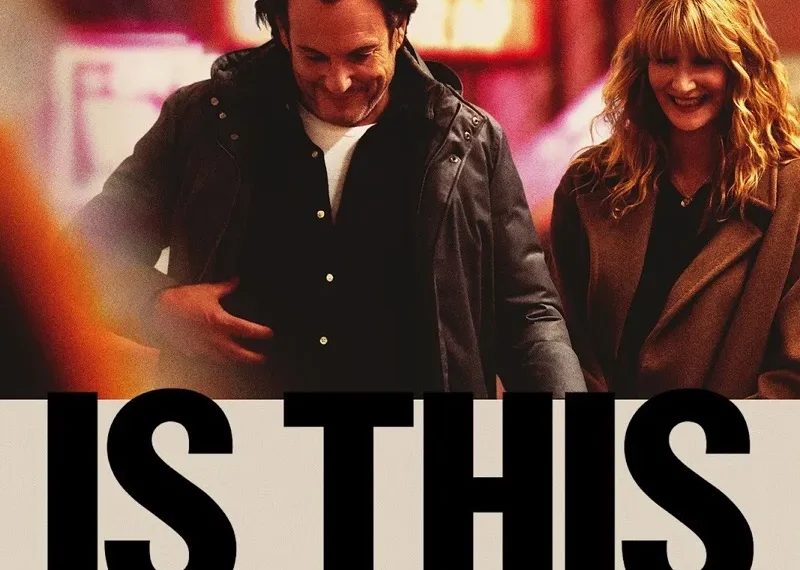
With his third turn behind the camera, Bradley Cooper delivers a quietly affecting comedy-drama that treats stand-up comedy not as a career pivot, but as an emotional pressure valve. Sharing the screen with Andra Day, Christine Ebersole, and Ciarán Hinds, Cooper continues an emerging directorial pattern: using performance as a lens through which intimacy, identity, and love are examined, though never in quite the same way twice.
After more than two decades navigating other people’s scripts as an actor, it feels inevitable that Cooper would gravitate toward stories about what performing does to a person and, by extension, to the relationships around them. What’s striking is how differently that idea has manifested across his films. A Star Is Born traces two lovers moving in opposite directions as fame reshapes their bond. Maestro contrasted artistic obsession with the emotional costs it exacts. Is This Thing On? shifts the focus inward, turning the stage into a place of repair rather than ambition.
Here, comedy becomes a coping mechanism. Alex and Tess Novak are ending their marriage not explosively, not bitterly, but with weary clarity. When Tess casually suggests they call it quits while brushing her teeth, Alex agrees without protest. The lack of drama is the point. Their separation isn’t fueled by hatred so much as erosion, the slow wearing away that happens when people stop recognising themselves inside a partnership.
The film wastes no time on procedural fallout or anguished confession scenes. Instead, it drops us into the aftermath, where Alex and Tess are already living apart, maintaining civility, and socialising with the same circle of friends. It’s only during a quiet moment on a Grand Central platform, sharing an edible, half-distracted, that the reality of their new arrangement becomes clear.
Left alone for the night, Alex drifts into the Olive Tree Café and, in a moment of stoned impulse and thrift, signs up for an open mic downstairs to avoid the cover charge. What begins as a hesitant, rambling set unexpectedly lands. Talking about his divorce, his long marriage, and his suddenly solitary apartment, Alex discovers that vulnerability, even accidental vulnerability, connects. The laughs surprise him as much as anyone else.

Rather than charting a traditional “rise” in comedy, the film stays grounded in adjustment: Alex learning how to be alone, Tess renegotiating her independence, and their children trying to understand how their parents’ lives are being reconfigured. The stand-up world, populated by real New York comics, feels less like a career ladder than a support group, a place where honesty is currency and shared discomfort is bonding.
One of the film’s most affecting sequences unfolds not on stage but in Alex’s car, as he drives his two young sons home after a sleepover. When the boys stumble upon their father’s comedy notebook filled with jokes that reference their family, confusion turns to hurt. It’s a moment that cuts through the lightness, reminding us that self-expression can bruise even when it heals.
Fate intervenes in a slightly movie-shaped coincidence when Tess, out on an awkward near-date, wanders into the Comedy Cellar and witnesses Alex performing. He’s in the middle of confessing something deeply personal: that sleeping with someone else for the first time in decades didn’t liberate him, but instead made him miss his ex-wife. The scene could have felt contrived, but Will Arnett and Laura Dern ground it in such emotional specificity that it registers as inevitable rather than convenient.
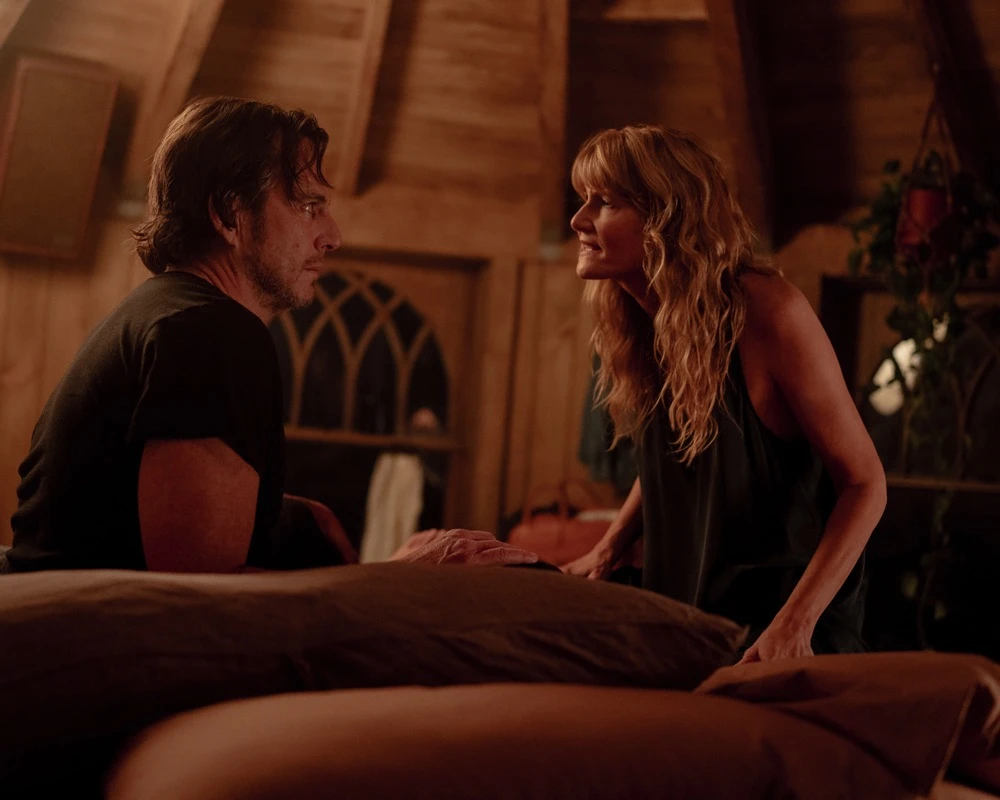
What emerges between Alex and Tess isn’t a neat reconciliation, but a reopening. Old attraction resurfaces. Conversations long avoided finally happen. There’s no promise that everything can be fixed, only a renewed willingness to examine what they meant to each other, and what they still might.
As Alex finds purpose in comedy, Tess reconnects with a different part of herself, returning to volleyball not as nostalgia, but as forward momentum. Coaching becomes her own form of reclamation. Though the film uses Alex’s stand-up as its narrative engine, its emotional core belongs equally to both partners, resisting the temptation to frame the story as one man’s rebirth.
Their shifting dynamic is mirrored by the couples around them. Alex’s parents offer a study in contrast: a deeply empathetic father and a blunt, unapologetic mother who refuses to sever her bond with Tess. Their home, filled with dogs, children, and casual affection, feels so authentic that Alex’s sense of loss becomes palpable.

Another reflection comes through longtime friends Christine and Balls, whose marriage begins to wobble in response to Alex and Tess’s upheaval. During a group weekend away, secrets blur and assumptions unravel. Watching Alex rediscover joy prompts Balls to question his own stagnation, while Christine’s scepticism toward marriage hardens as she watches relationships fray.
The ensemble operates with a looseness that feels almost improvisational, lending the film warmth and unpredictability. Cooper directs with restraint, favouring intimacy over flourish. Matthew Libatique’s close camerawork keeps us emotionally tethered, catching micro-expressions that do more work than dialogue ever could.
There’s humour throughout, thanks to Cooper’s own laid-back, perpetually stoned presence, which provides a steady stream of laughs but nothing feels performative or overplayed. The comedy exists in service of character, not the other way around. Arnett, in particular, reveals layers beneath his familiar timing, exposing the quiet ache beneath Alex’s jokes.
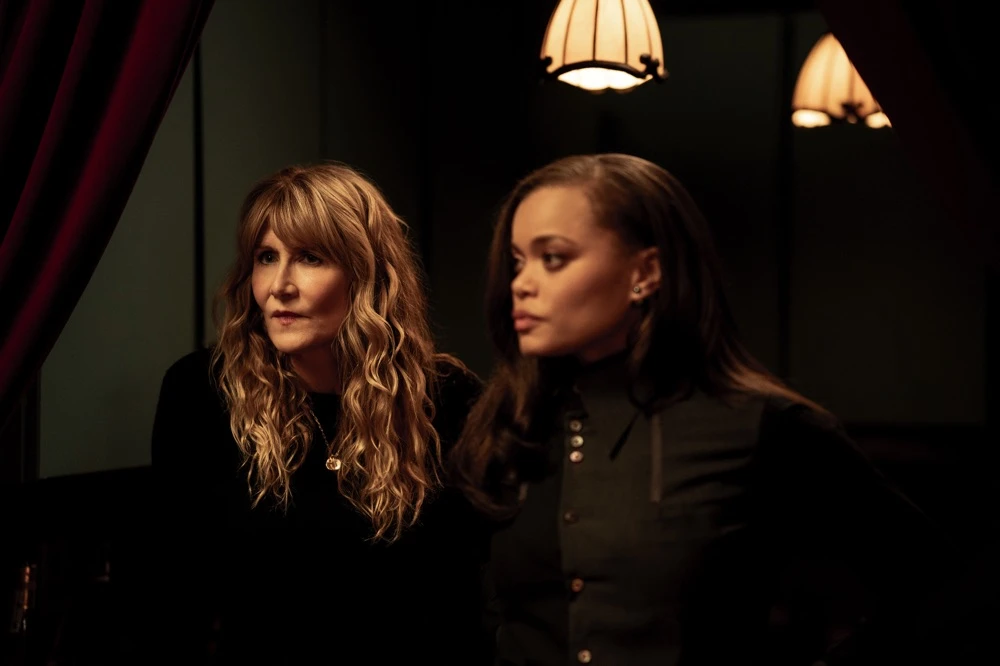
One standout scene finds Alex and Tess attempting a therapy-style exercise where they name the things they dislike about each other. It’s uncomfortable, funny, and devastating in equal measure, laying bare how small resentments calcify over time. Yet the film never treats their marriage as a lost cause, only as something complicated, bruised, and still meaningful.
While comparisons to Marriage Story are inevitable, the spirit here is gentler, less combative, and ultimately more hopeful. And though “Under Pressure” has been used to shattering effect elsewhere, its appearance here, played by a school band that includes Alex and Tess’s sons, lands as a release rather than a reckoning.
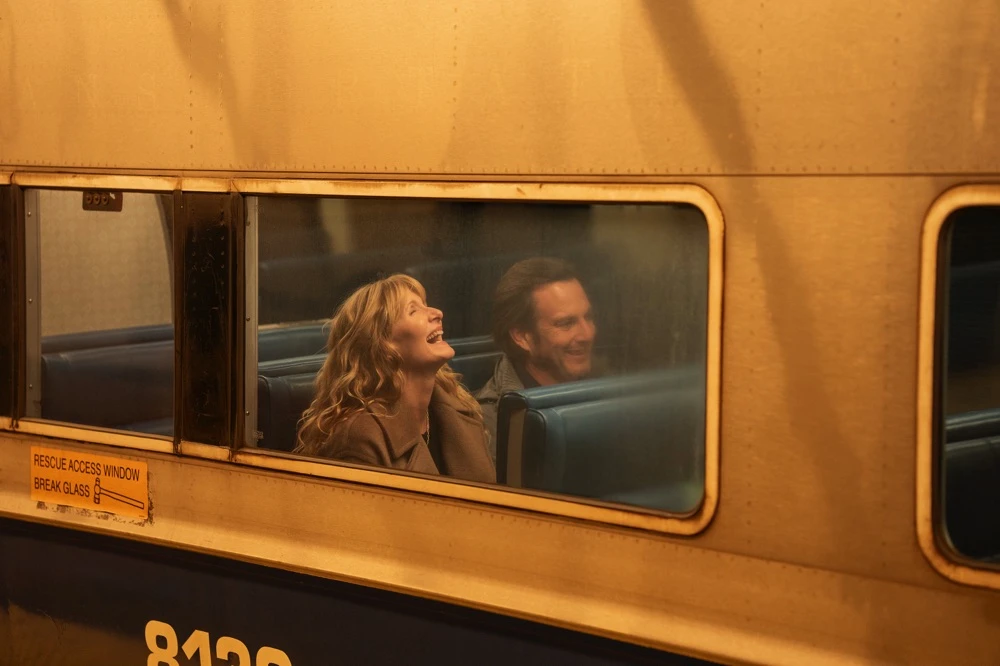
Is This Thing On? closes not with answers, but with grace. It’s a film about endings that don’t quite end, about love that doesn’t disappear so much as change shape, and about the strange, human comfort of being heard even if it takes a microphone and a dimly lit basement to get there.
Overall: 7/10

Movie Reviewer