Cast: Daniel Day-Lewis, Sean Bean, Samantha Morton, Samuel Bottomley
Genre: Drama
Director: Ronan Day-Lewis
In Irish Cinemas: 7th November 2025
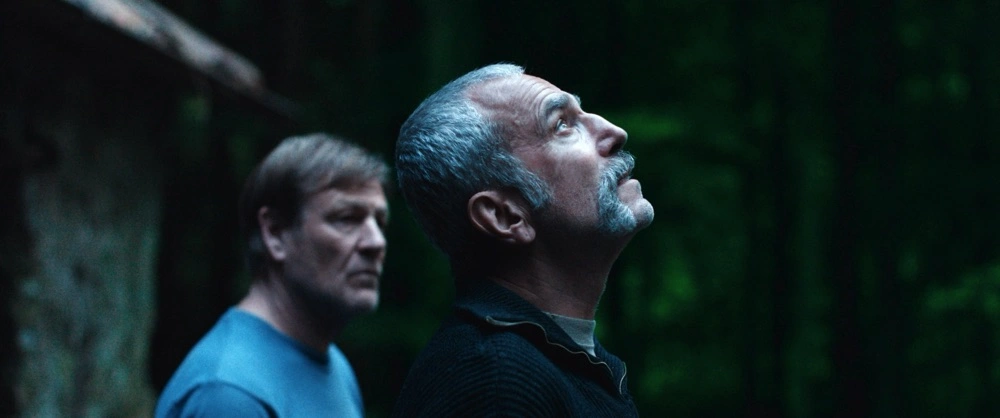
Decades after the Troubles cooled, the blood and trauma still sit in this family like unexploded ordnance. One morning, Jem (Sean Bean) gets up, throws a bag over his shoulder, kisses his wife and son goodbye, and heads off to track down the older brother he cut loose years ago. His son Brian (Samuel Bottomley) is already unsteady, already simmering, already being needled at school about his “real father,” Ray (Daniel Day-Lewis), the man whose name is synonymous with fire and carnage in their small corner of Ireland. When Jem finally finds Ray in a winter-dark cabin, the reunion is not an embrace; it’s a stalemate. Jem is there for one reason: to drag Ray back into the world he abandoned.
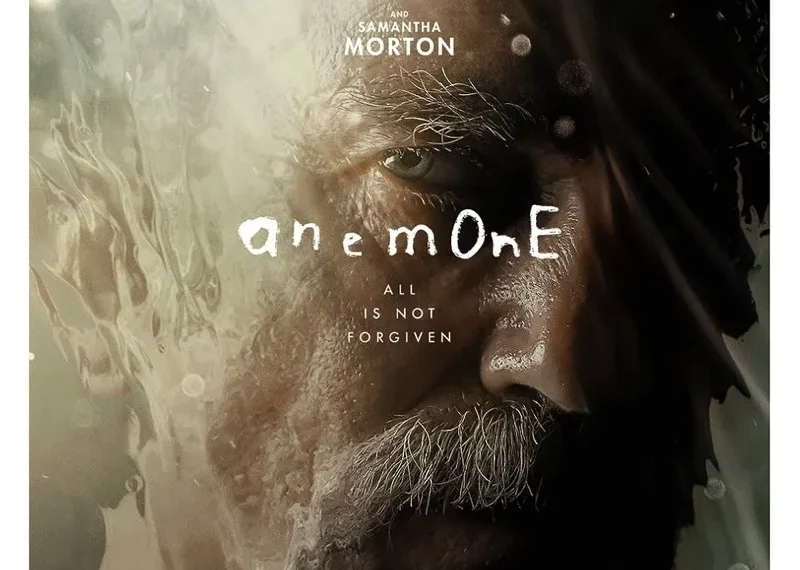
Ronan Day-Lewis’s feature debut, Anemone, wants to be an impressionist brother-father tragedy film of wounds and thorns, but its opacity ends up shutting the viewer out. Daniel Day-Lewis (co-writing with his son) plays Ray as a man living half inside a memory palace and half inside a bunker. His monologues are volcanic, almost self-parodic in their There Will Be Blood brinkmanship, all hissed fury and subterranean guilt. He can stare a hole through the lens. That part works.
The problem is that there aren’t many movies around him. Beyond Ray shadow-boxing with his own ghosts and Brian inching toward inheriting that violence, the film doesn’t move. It’s trauma as a looping GIF. And in that repetition, the emotional stakes get thinner, not deeper. Jem, the man who actually raised Brian, essentially functions as a coat-rack for Ray to unload oracular statement after oracular statement. Samantha Morton is barely permitted texture.
Visually, Ronan Day-Lewis (with DP Ben Fordesman) goes maximal: black-metal cloud cover, hyper-green forests, rivers like ink, dream animals in the reeds, a music-video sublime. The nu-metal score only thickens the aesthetic. But the expressionism feels unmoored. Is this a psychic breakdown? Allegory? Memory? Myth? The film never chooses a grammar. It just vibes.
The title comes from a flower their dead father loved. That’s about as literal as the film ever gets about its symbols. And that’s the film in miniature: beautiful surfaces, zero dramaturgical spine. Anemone has big feelings of anger at fathers, disgust at the inheritance of violence, but it never shapes those feelings into a dramatic engine. Everyone onscreen becomes a thesis instead of a person.
Ronan Day-Lewis clearly has a painter’s eye; several single images here are extraordinary, but the script is still a canvas of gestures, not a movie with legs. This is style over story, atmosphere over character, a mood piece that keeps refusing to become a narrative.
Overall: 5.5/10

Movie Reviewer