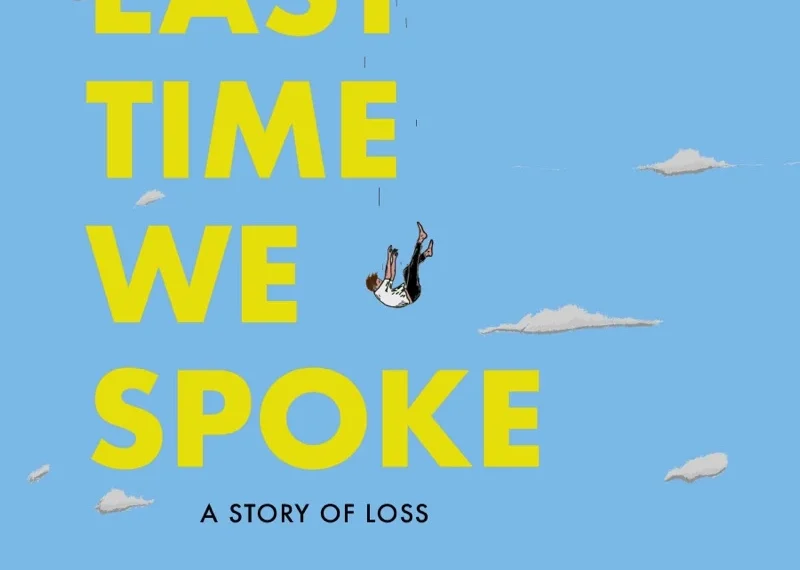
We are delighted to be joined by Jesse Mechanic. Jesse is a columnist, essayist, and artist. With the release of his debut graphic novel, The Last Time We Spoke, on September 30th from Street Noise Books. We got a chance to chat with Jesse about The Last Time We Spoke.
Hi Jesse, it’s so wonderful to have you here with us.
Could you please introduce yourself to our readers?
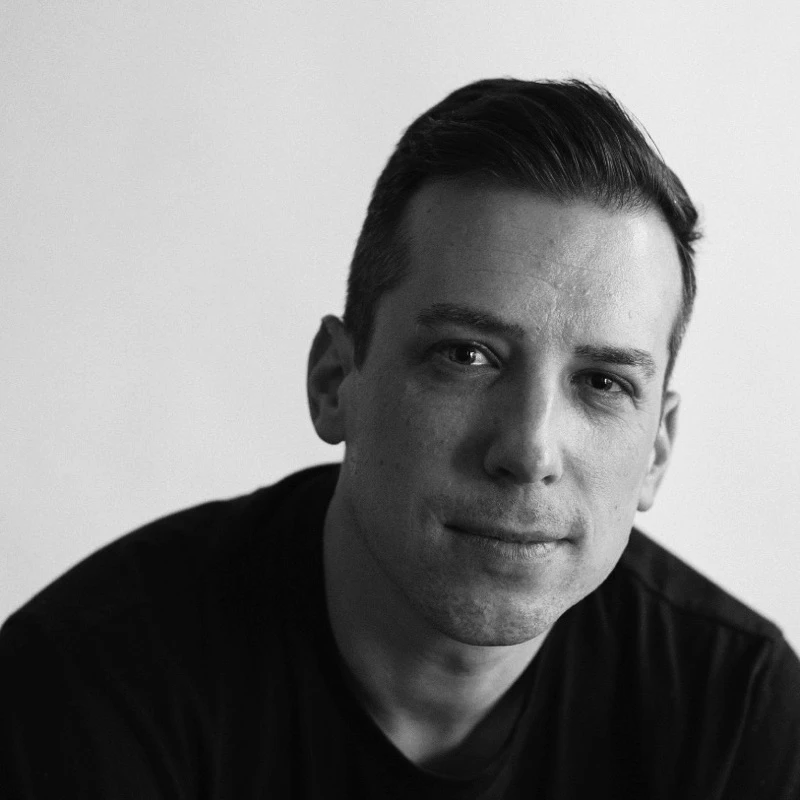
My name is Jesse Mechanic. I have been a columnist and journalist for a decade or so, but the goal was always publishing books. After years of writing and drawing, pitching and re-working, two books I have been working on for years will be on shelves in the next six months. The first of which is The Last Time We Spoke.
Can you tell us about the origins of The Last Time We Spoke?
The Last Time We Spoke is the story of losing my mother as kid. In truth, I had been avoiding writing about this topic for years, because it was a painful period to focus on. But when I dove in, it quickly became one of those most artistically-fulfilling and cathartic experiences of my life. For me, it is often the case that the most difficult topics yield the best work.
Was there a reason you wanted The Last Time We Spoke to be a graphic novel?
Initially, it was more of a novella, only prose, but pretty early on I knew it needed an illustrated component. I knew that I needed to draw to fully articulate the way it felt, to completely explore the experience. I had read many books on loss. And while I found some to be helpful and interesting, none of them hit home for me. I never found the book I was looking for, so I made it.
As a creator, do you enjoy writing or creating art more?
Too tough to say. I write more than I draw. I publish a lot of journalism that often does not contain illustrations. And I love doing that. But drawing is so pure. I feel like a kid again whenever I draw. Self-expression and creativity are what has kept me here, walking, talking, and breathing, on this planet. So I deeply value everything in that realm.
Was creating the art for The Last Time We Spoke a difficult process?
It was. There were moments when I would sit back, look at a finished illustration, and get very emotional. I had not planned most of the illustrations in advance. I edited the prose to leave gaps to fill in with art, but I had almost no notes on what the art would be. I hoped it would just come to me as I went through it. And it did, in waves. It was like all of the illustrations were just sitting in my head waiting to be let out. It was a therapeutic, heavy, painful, and beautiful experience.
How long have you been working on The Last Time We Spoke?
The first draft was completed in 2016. I have been periodically working on it since then, but I didn’t start illustrating until 2023. It has been a long road.
How did Street Noise Books get involved with The Last Time We Spoke?
Street Noise was familiar with my work and knew I had some books I wanted to pitch. We met, and I loved their vision for the book—and the work they had previously published. So it was a great fit. It was lovely to work with them.
Did you have a goal in mind when you conceived the idea for The Last Time We Spoke, and do you think you achieved that goal?
I wanted to put out a book that didn’t round the edges of grief, loss, and mental illness. I wanted to create a raw but hopeful account of the experience, a visually-innovative tour of death. And I love how the book turned out. I think I achieved my goal.
How would you describe The Last Time We Spoke?
I would say it’s a meditation on grief and mental illness. It’s a story about how loss alters trajectories. And it’s a book that I hope will make people feel less alone in the world.
With The Last Time We Spoke being your debut graphic novel and releasing in September, how do you feel?
I’m excited! I can’t wait for it to be on shelves.
Any message for the ComicBuzz readers?
Keep reading. Keep reading comics and everything else. Keep buying books and keep buying comics. These industries are so important, and as things get progressively more digitized, automated, and artificial, it is so vital to keep supporting the actual human beings who keep these creative industries alive.
We would like to say a big thank you to Jesse for chatting with us and wish the best of luck with The Last Time We Spoke.