

Cast: Daisy Edgar-Jones, Jacob Elordi, Will Poulter, Diego Calva, Sasha Calle
Genre: Drama, Romance
Director: Daniel Minahan
In Irish Cinemas: 5th September 2025
Adapted from Shannon Pufahl’s acclaimed debut novel, director Daniel Minahan’s queer period drama trades in longing, secrecy, and the complex geometry of desire in 1950s America. What makes the story compelling is not the familiar bait-and-switch of a supposed love triangle — as if Julius (Jacob Elordi) might fall for his brother’s fiancée, Muriel (Daisy Edgar-Jones) — but rather the way both characters quietly awaken to attractions outside of the heteronormative paths laid out for them. The drama lies not in forbidden flirtation across family lines, but in the recognition of kindred spirits, two souls adrift in a society that leaves little space for them to live honestly.
The film initially toys with suggestion. Julius, newly returned from the Korean War, arrives at his brother Lee’s (Will Poulter) home and meets Muriel in a charged moment: she first sees him stretched across the hood of a car, shirtless, a portrait of careless youth. A brief flicker of attraction surfaces between them, but the film quickly reframes this moment. Julius, with his roguish beauty and effortless magnetism, draws stares wherever he goes, yet beneath the surface, he is emotionally unmoored. Elordi portrays him as a man who seduces instinctively but struggles with intimacy. By contrast, Edgar-Jones imbues Muriel with a subtler tension: she hesitates when Lee proposes, her silence revealing not indifference but a slow, dawning recognition of what she truly wants — independence, freedom, and a desire that doesn’t fit the mould.
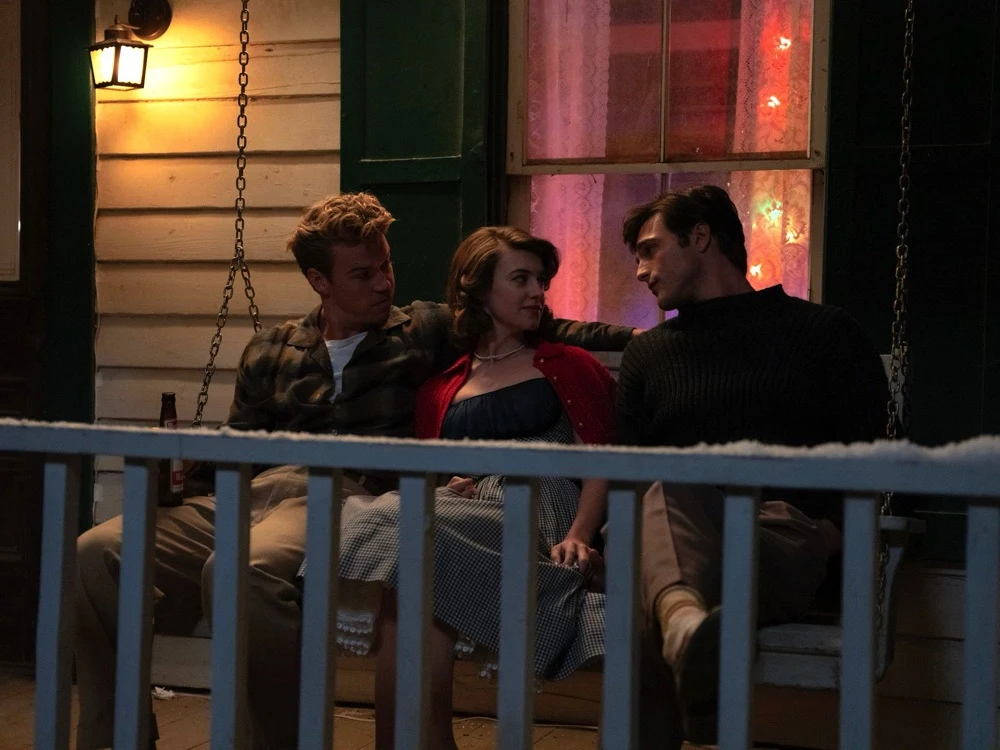
For a brief spell, Muriel and Julius forge a connection. She mistakes it for a pact that will carry through even after her marriage to Lee, the reliable, well-meaning man who assumes she shares his vision of their future. Poulter grounds Lee with sympathy and dimension, even as we see how he gently — but persistently — presses Muriel into a life that reflects his ambitions rather than her own. His insistence that she sell her family’s land to buy a house in San Diego is telling: he believes in their shared future, but only on his terms.
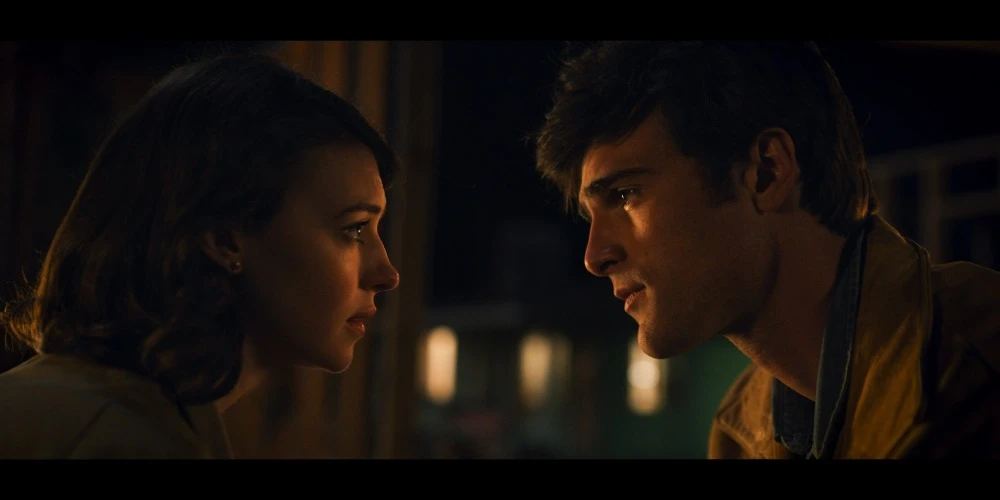
Julius, expected to follow them to California, veers off-course instead, taking up work at a Reno casino. This detour introduces the motif that gives the film its title: gambling, not only as a pastime but as a metaphor for desire itself. Both Muriel and Julius live as risk-takers, drawn as much to the danger of exposure as to the thrill of possibility. Muriel gambles at the horse track, turning diner tips into small winnings by paying attention to her customers. Julius gambles with his freedom, his safety, and his heart. What they share is not sexual tension but a mutual compulsion to stake everything on uncertain odds.

The narrative deepens when each character discovers a forbidden romance. Muriel, in one of the film’s most luminous moments, encounters Sandra (Sasha Calle), a young Latina farmworker. Their connection is immediate and wordless, captured in a single gesture when Sandra offers her palm for Muriel to spit an olive pit into. In that intimate exchange, Muriel feels a spark more potent than anything Lee has stirred in her. The scene crystallises the film’s theme: desire, when finally recognised, refuses to be ignored.

Meanwhile, in Reno, Julius meets Henry (Diego Calva), a restless, sharp-edged Mexican gambler whose defiance of the system both attracts and destabilises him. Their chemistry is palpable, yet Henry is too scarred by a lifetime of prejudice to imagine building something lasting. His restless energy mirrors Julius’s own, but where Muriel begins to glimpse the possibility of a different kind of future, Julius remains trapped by his own volatility.
Inevitably, the film courts tragedy. Minahan, working from Pufahl’s source material and Bryce Kass’s screenplay, structures the story as a series of impossible loves — connections that flare up but cannot survive the weight of convention, prejudice, and fear. At times, this schematic approach feels a touch contrived, as if the characters were pawns in a larger allegory. And yet, within that artifice, there is a poetry that lingers.
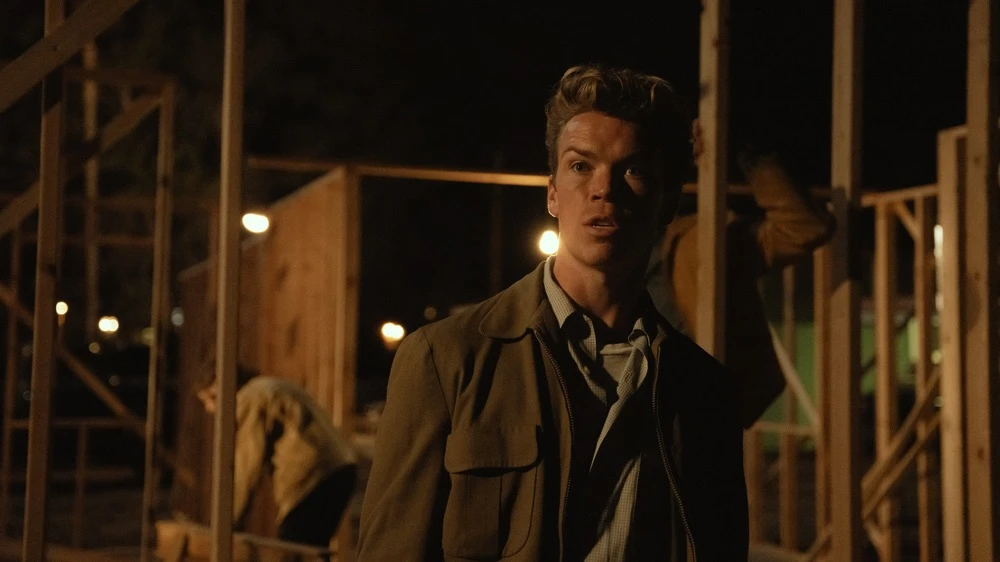
By its conclusion, Fellow Travellers (if we take the title at face value) leaves its characters wagering futures they may never fully possess. The final sequence, though tidy and perhaps too neat, still resonates: these characters keep placing bets on desire, on luck, on love itself, even knowing the house always wins. In that gamble lies the film’s quiet, enduring power — a reminder that the riskiest wager of all is daring to want something forbidden, and reaching for it anyway.
Overall: 6/10

Movie Reviewer